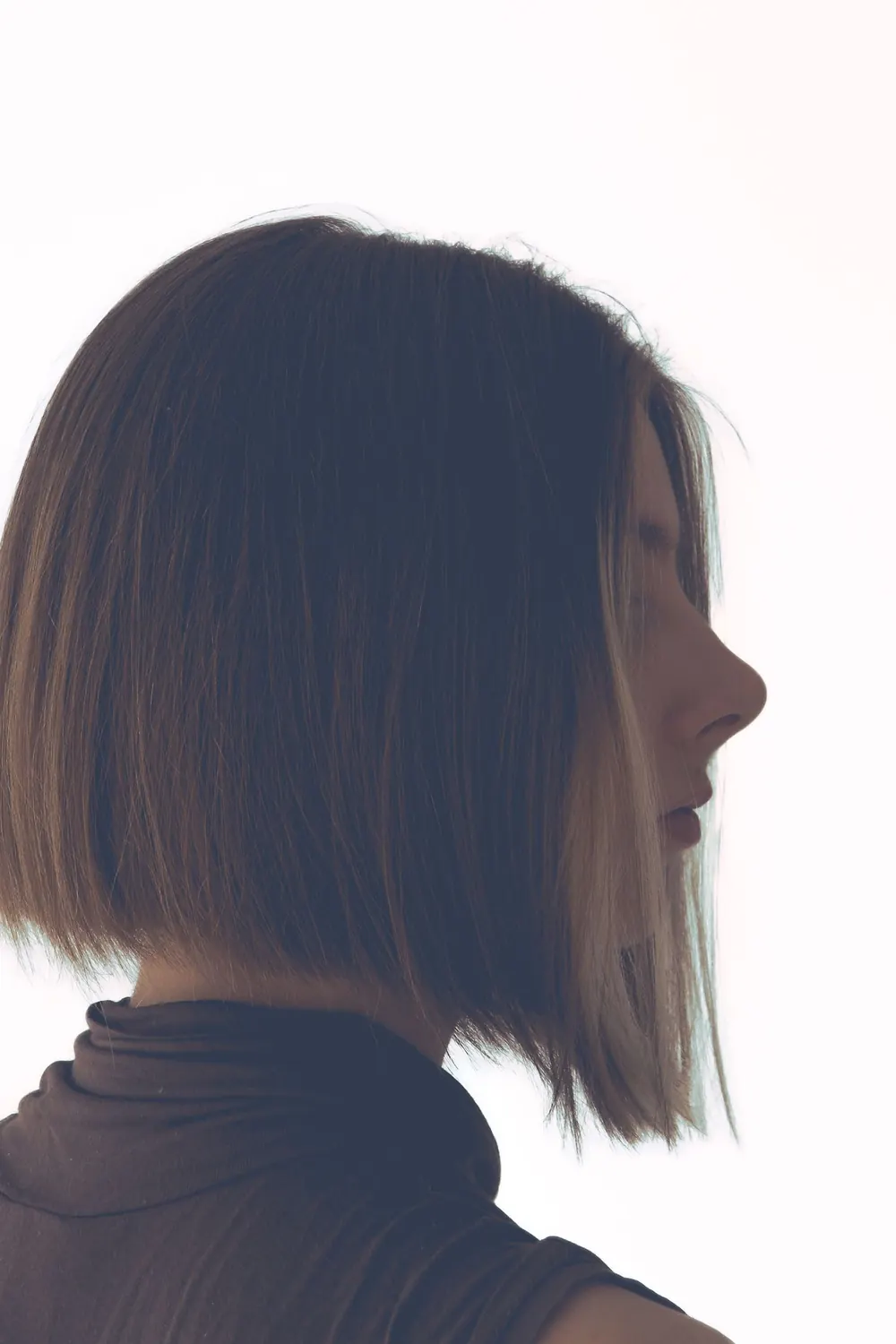
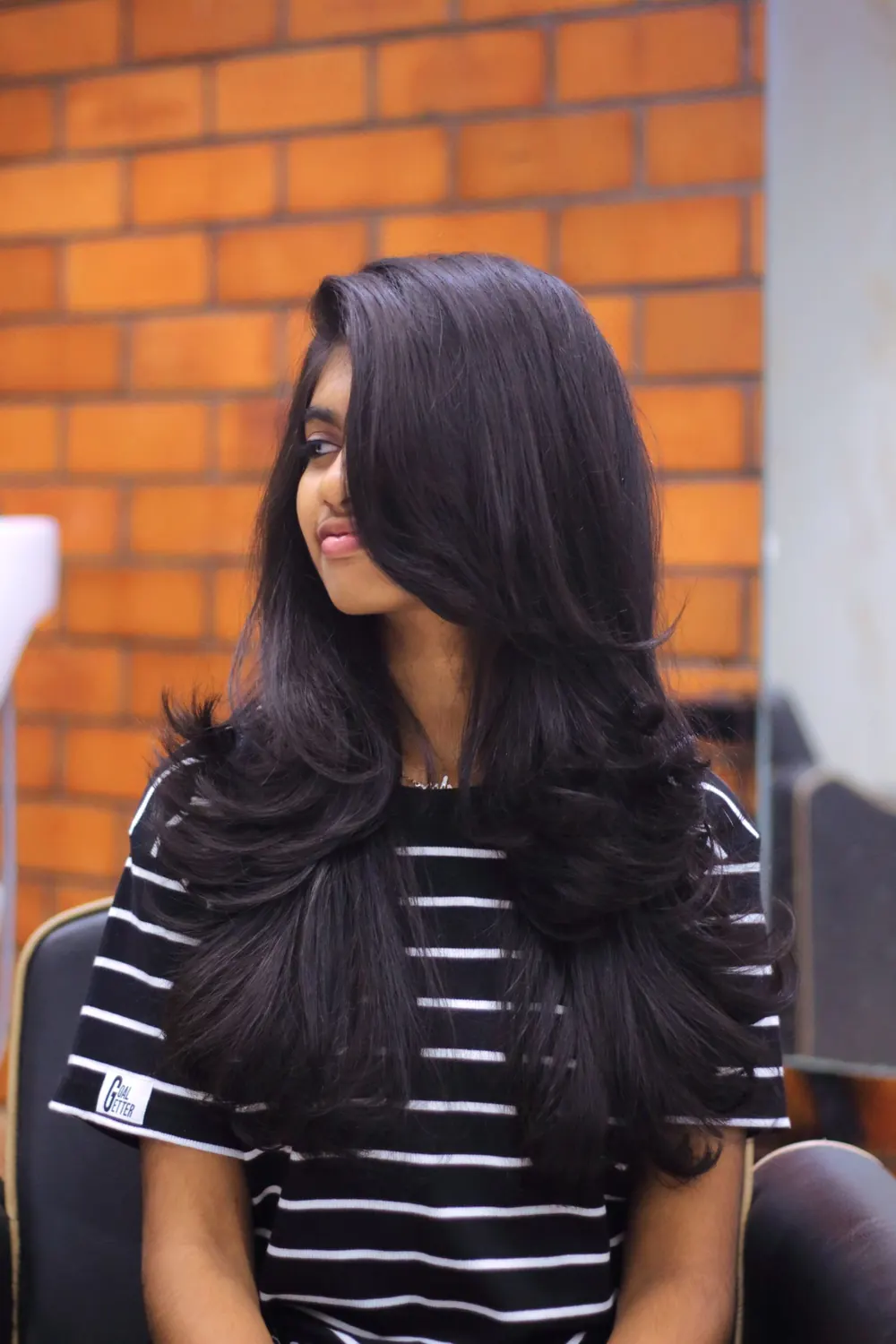
Wolf Cut Hairstyles: Lengths, Textures and How to Style the Shaggy Layers
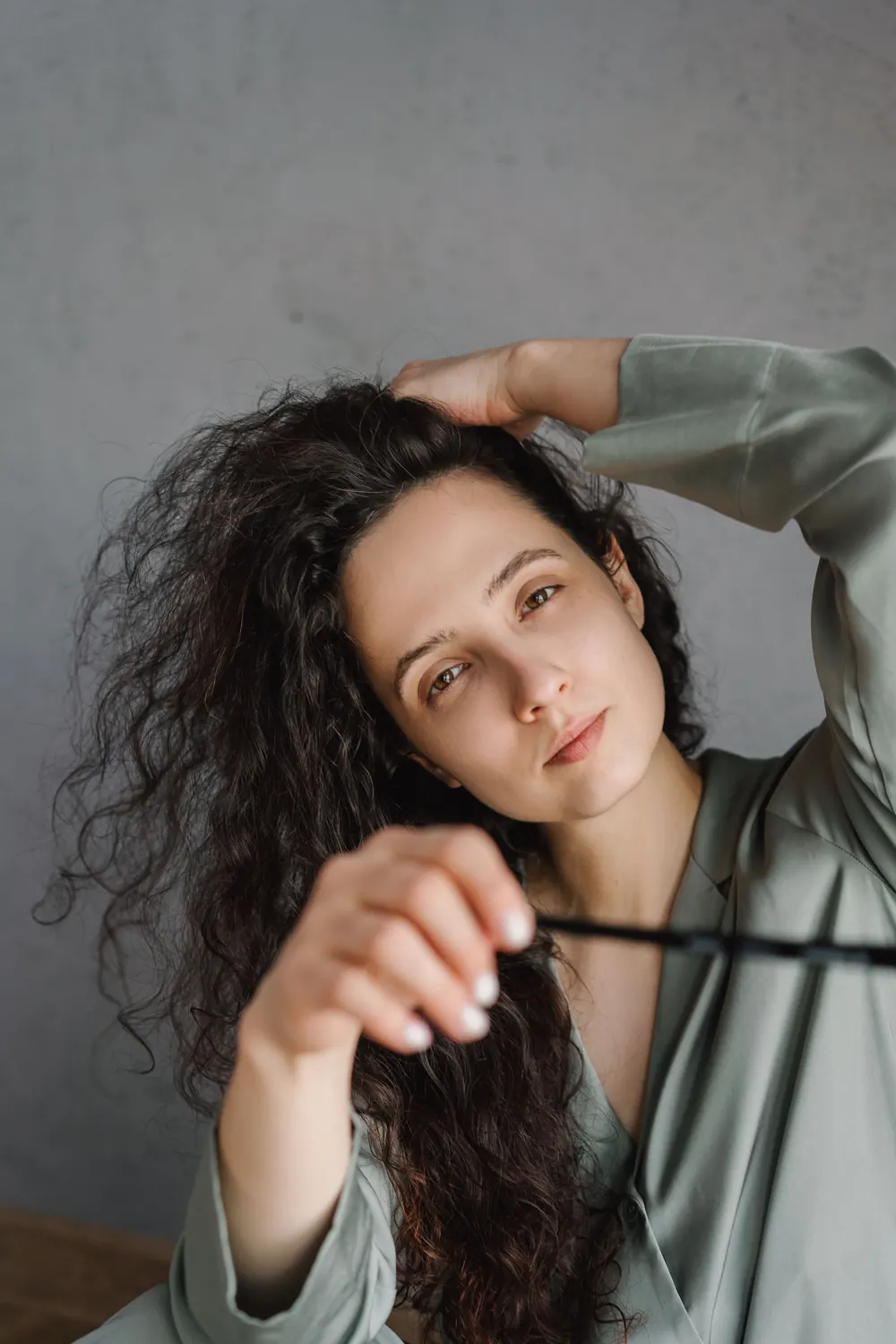
Wolf cut hairstyles explained: what the shaggy, layered cut is, how it differs from a shag or mullet, which hair types and face shapes suit it, short, medium and long versions, how to ask your stylist, and how to style and maintain the layers at home.
The wolf cut is a cross between a shag and a mullet: lots of choppy layers on top and around the crown, with length and texture kept through the back and sides. It became one of the most requested haircuts of recent years because it adds instant volume, works with natural texture and looks good slightly messy. It can also look harsh or awkward if it is cut too heavily for your hair. Here is how to decide whether it is right for you and how to wear it well.
What makes a wolf cut different
All three cuts are layered, but the shape is distinct.
- Shag: layers spread evenly through the head, often with curtain bangs, for a soft, rounded outline.
- Mullet: short on top and sides, noticeably longer at the back.
- Wolf cut: heavily layered and full at the crown, tapering into wispy, textured lengths at the back, without the abrupt step of a mullet.
The result is volume at the top, movement around the face and a wild, lived-in finish.
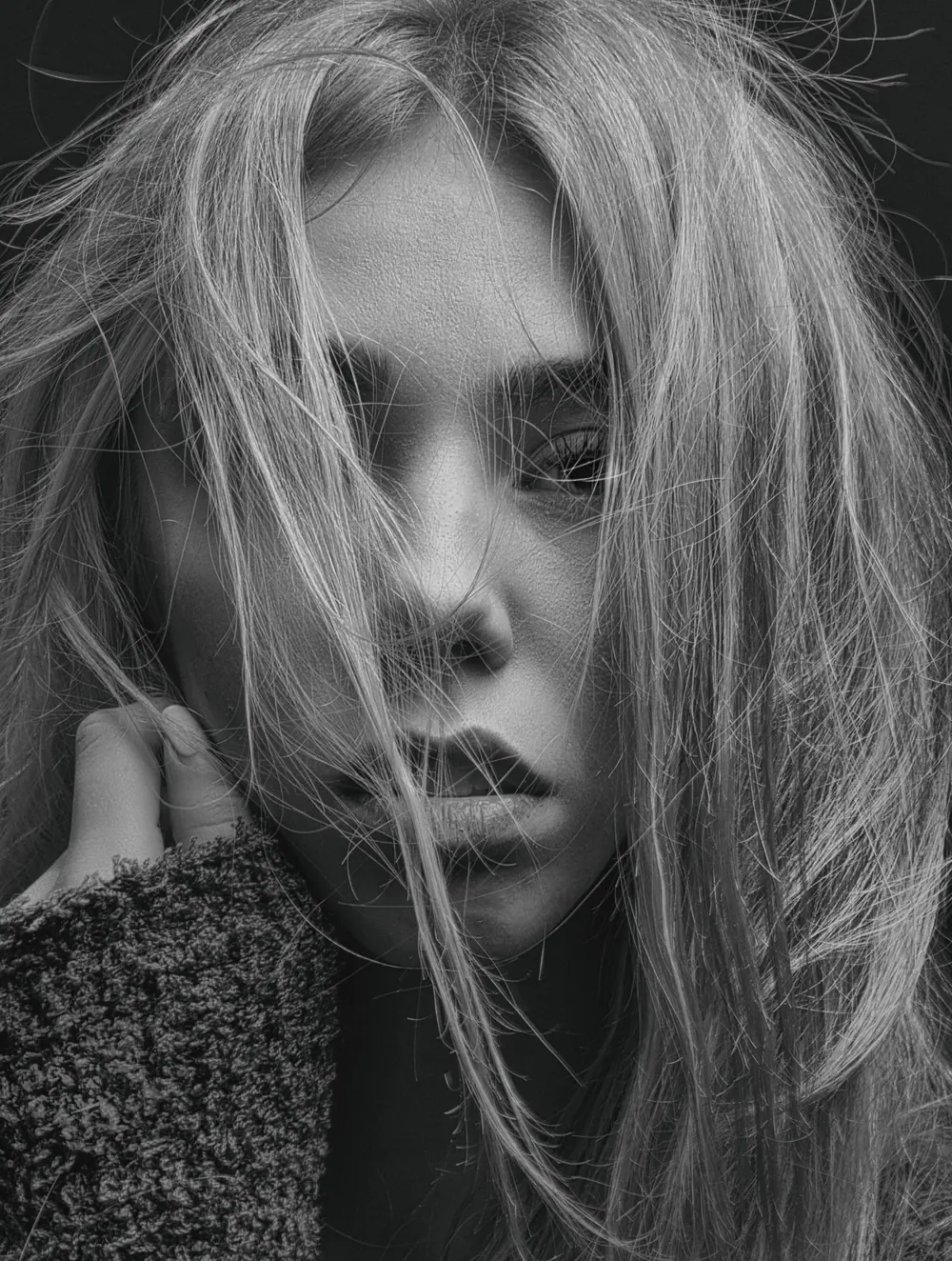
Who suits a wolf cut
The cut is surprisingly versatile, but hair type changes the result.
- Wavy hair: the ideal texture. Layers release natural movement and volume.
- Curly hair: works beautifully if the stylist cuts curls dry or curl by curl, creating a rounded, voluminous shape.
- Straight fine hair: can work with texturising products, but very thin hair may look sparse at the ends if layers are too short.
- Very thick hair: benefits hugely, as layers remove weight; ask for internal thinning to avoid a bulky top.
Oval and heart-shaped faces suit most versions. Round faces look best with longer face-framing layers that fall below the chin. Square faces are softened by wispy bangs and textured layers around the jaw.
Short, medium and long versions
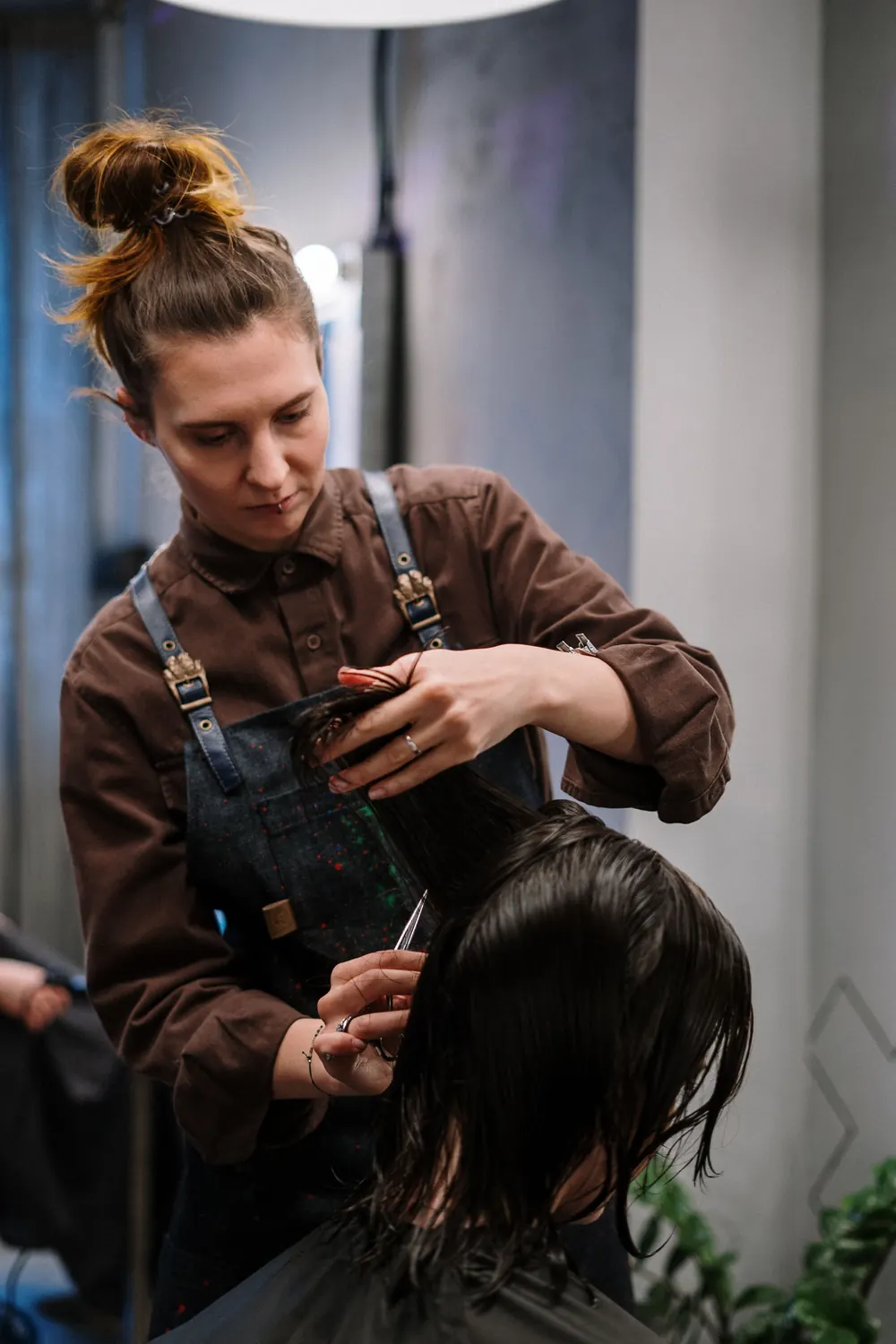
- Short wolf cut: layers start high, length finishes around the jaw or neck. Edgy and very low maintenance for wavy and curly hair.
- Medium wolf cut: the most popular length, finishing at the collarbone or shoulders. Balanced, wearable and easy to tie back.
- Long wolf cut: keeps length past the shoulders while adding shaggy layers around the crown and face. A softer introduction to the style.
Bangs and face-framing
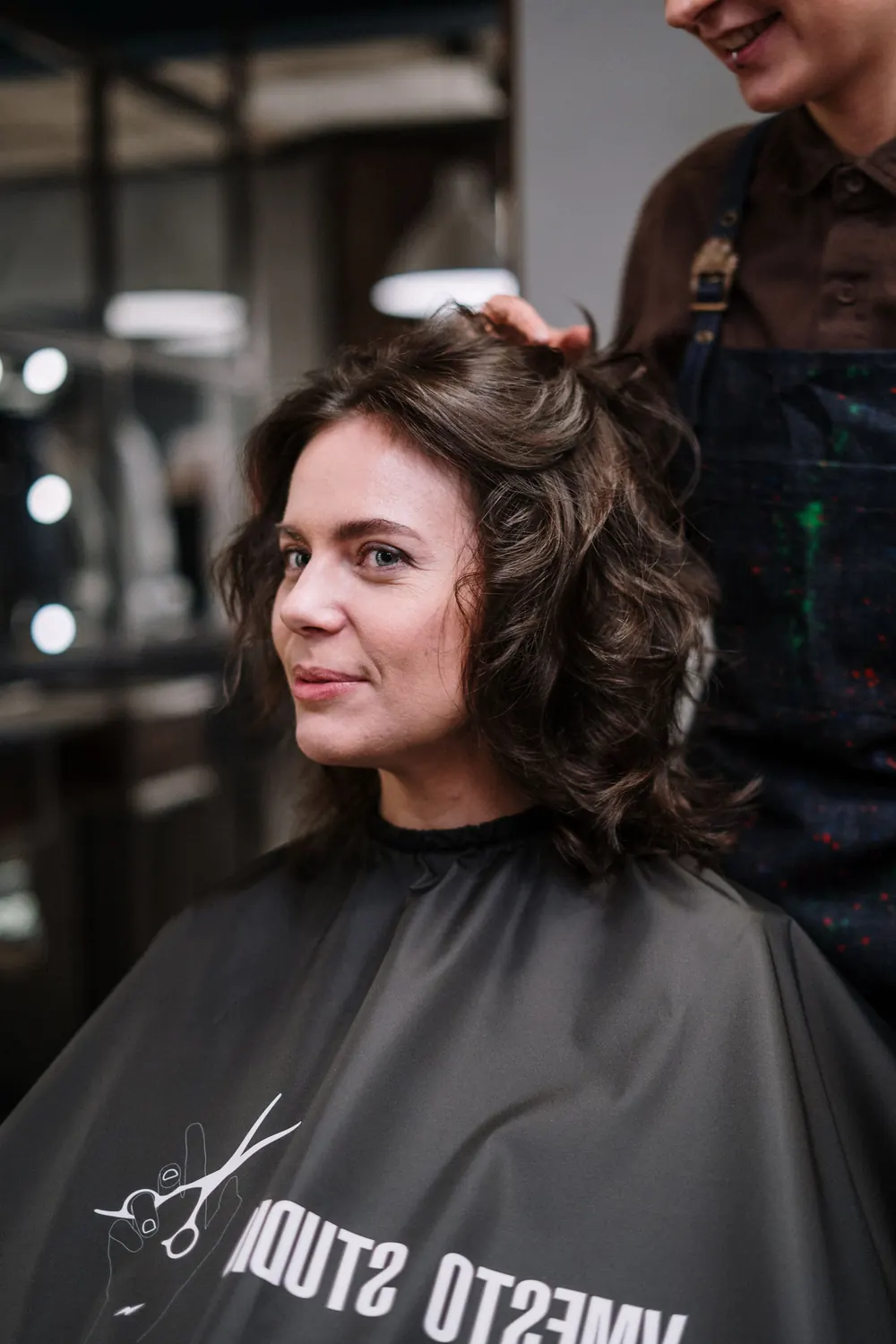
Most wolf cuts include bangs. Curtain bangs part in the centre and blend into the side layers, which is the most flattering option for many faces. Wispy, choppy bangs feel more editorial and work well on thick or curly hair. If you are not ready for bangs, ask for long face-framing pieces that start around the cheekbones.

How to ask your stylist
Use specific language to avoid a cut that is too short or too blunt.
- Say you want a wolf cut with volume at the crown and texture through the ends.
- Show where you want the shortest layer to start, for example at the cheekbones or chin.
- Say how much length you want to keep at the back.
- Mention whether you will style it daily or wear it air-dried.
- Ask for point cutting or razor texturising if your hair is thick, so the ends look soft rather than blunt.
Styling a wolf cut at home
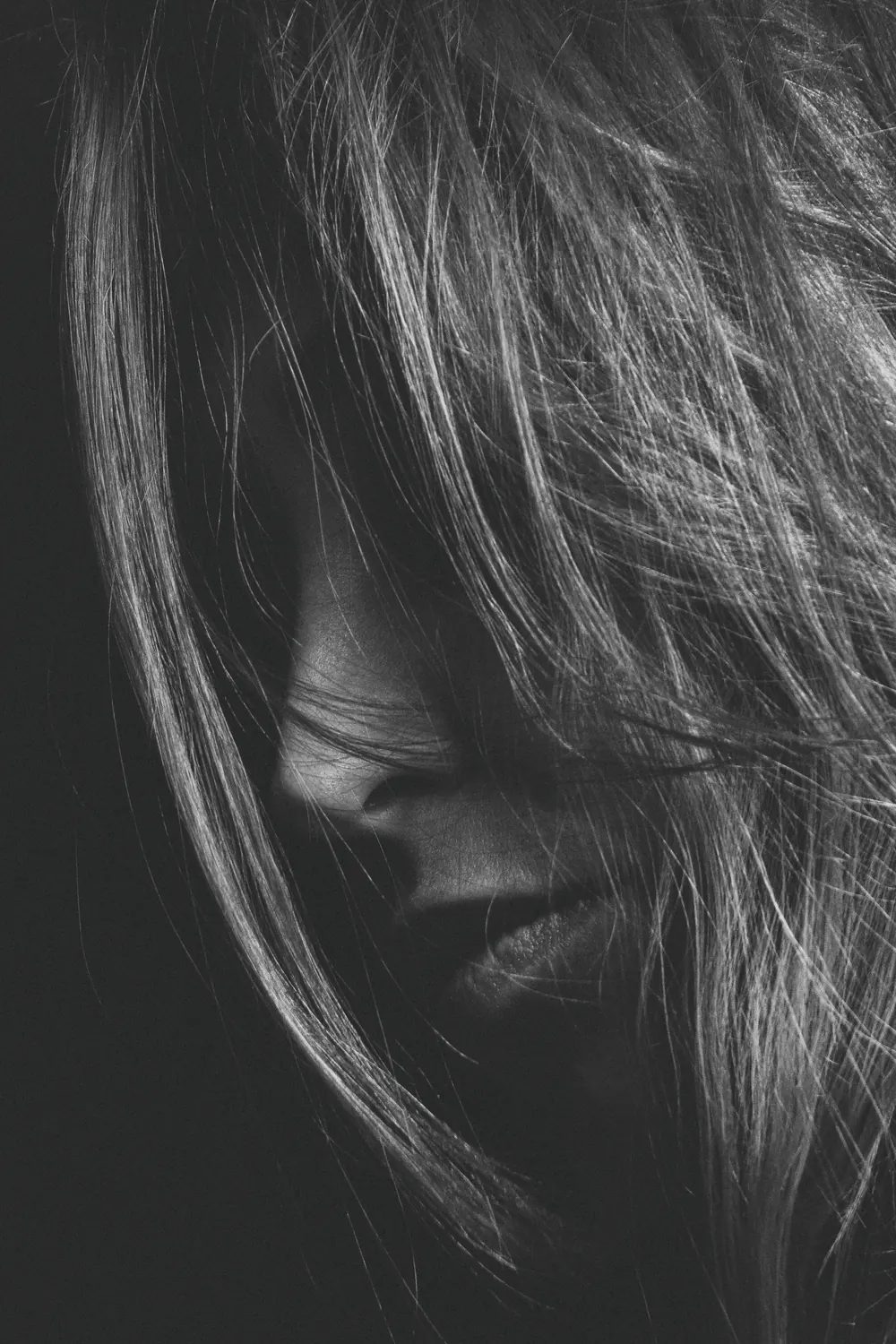
The cut is designed to look effortless, but a few steps make it look intentional.
- Apply a volumising mousse or light texturising spray to damp hair at the roots.
- Rough-dry with your fingers, lifting at the crown, or diffuse if your hair is wavy or curly.
- Twist a few sections around a large barrel curling iron, leaving the ends straight, for extra definition.
- Finish with a texturising spray or a small amount of matte paste worked through the ends.
For curls, use a leave-in conditioner and curl cream, scrunch, then diffuse or air-dry without touching until fully dry.
Maintenance
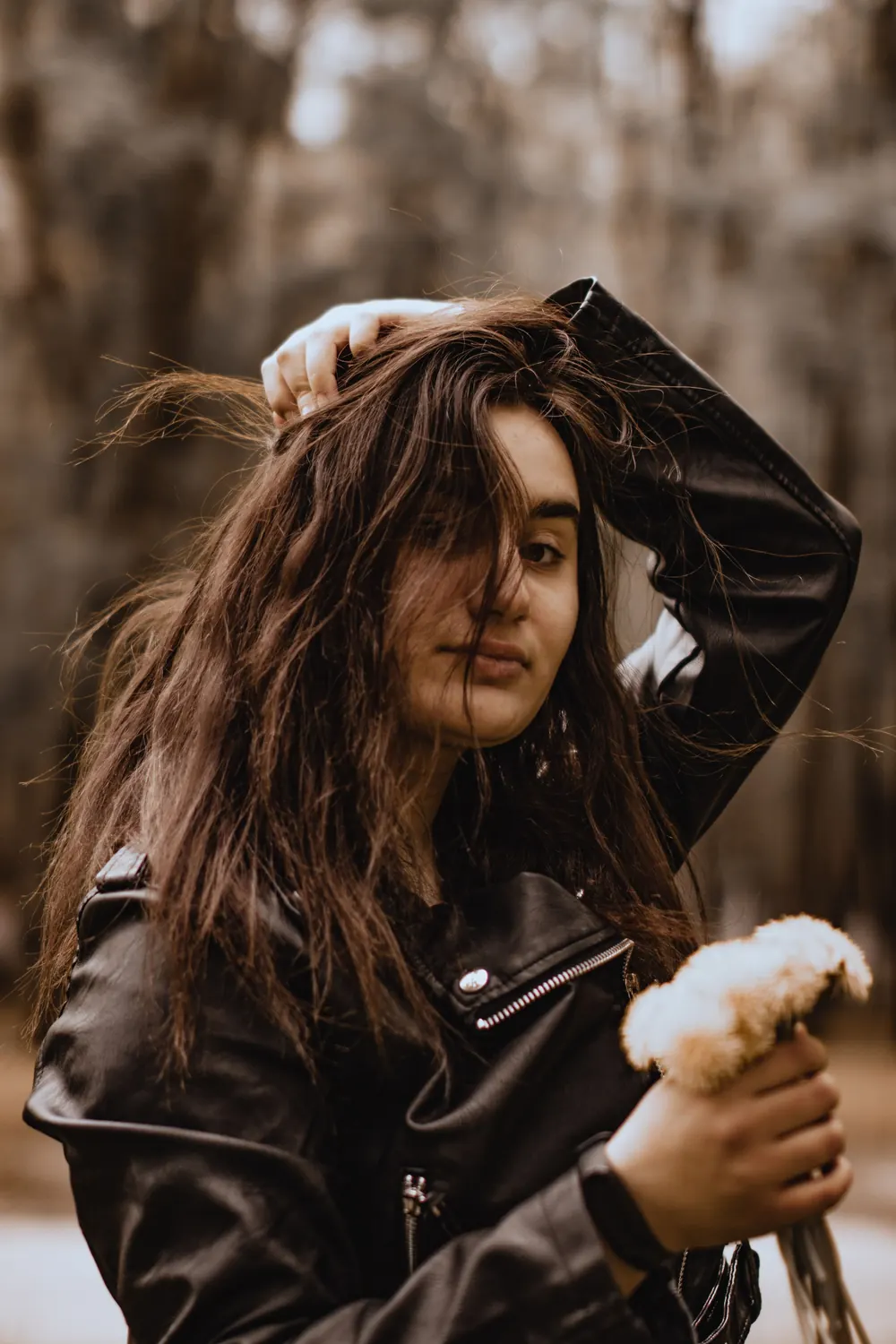
Layers grow out quickly and lose their shape. Book a trim every six to ten weeks to keep the crown full and the ends wispy. Between appointments, a dry shampoo or texturising powder at the roots revives volume. Because the cut relies on movement, regular conditioning and a weekly mask keep the ends from looking frazzled.

Growing it out
The good news is that a wolf cut grows out into a shag or layered cut quite gracefully. Ask your stylist to gradually lengthen the top layers while trimming the back, so the shape evens out over a few months.
Wolf cut styling ideas
Once you have the cut, there are several ways to wear it beyond simply air-drying.
- Sleek wolf cut: blow-dry smooth with a round brush and flick the ends outwards for a polished, retro look.
- Half-up wolf cut: tie the top layers into a small knot or claw clip and let the shaggy lengths fall loose.
- Defined waves: use a flat iron to create bends through the mid-lengths for a lived-in, editorial texture.
Get the Style Journal Co letter
One thoughtful email a week with our newest guides and seasonal ideas. No spam, unsubscribe anytime.
FAQ
Is a wolf cut the same as a shag?
No. A shag has evenly spread layers, while a wolf cut concentrates volume at the crown and keeps wispy length at the back, closer to a softened mullet.
Does a wolf cut work on straight hair?
Yes, but it needs texturising products and styling to show the layers. Very fine straight hair may need longer layers to avoid looking thin.
How often should I trim a wolf cut?
Every six to ten weeks keeps the shape full at the crown and textured at the ends.
Can I get a wolf cut with curly hair?
Absolutely. Ask for a stylist experienced in dry or curl-by-curl cutting for the best shape.
Save this guide for later — this image is sized for pinning.
Some posts may contain affiliate links; see our disclosure. Photography: Mikhail Nilov; Alexander Krivitskiy; cottonbro studio; cottonbro studio; George Shervashidze; Alexander Krivitskiy; Daniil Kondrashin; cottonbro studio; Nataliya Vaitkevich; Alexander Krivitskiy; Alexander Krivitskiy; Volodymyr; Alexander Krivitskiy; Zizi zi via Pexels.