Shag Haircut Ideas: How to Choose, Style and Maintain the Cut

Shag haircut ideas for fine, wavy, curly and thick hair: how the cut is built, which length and fringe suit your face shape, how to style it in ten minutes, what to ask the stylist for and how often to trim.
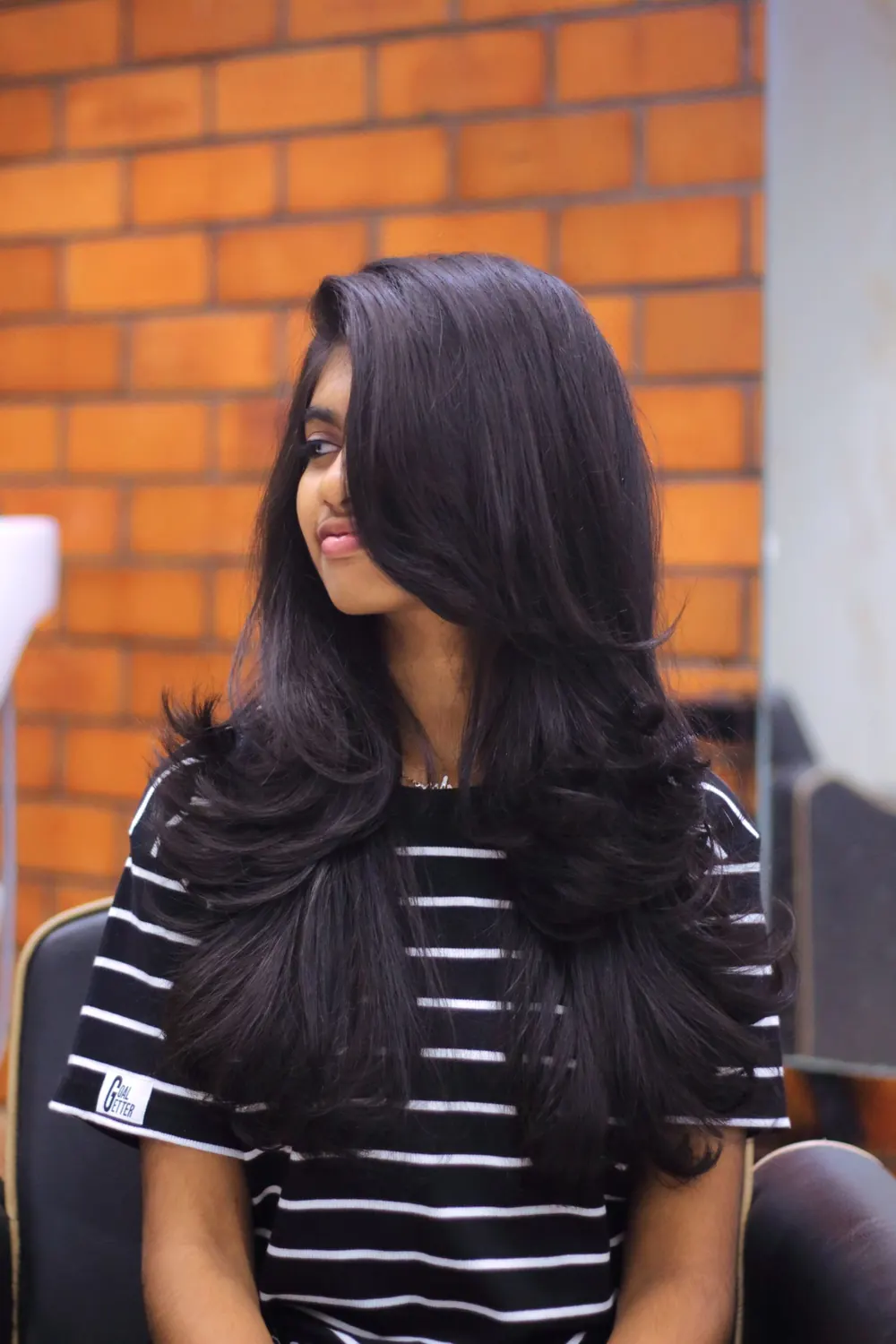
The shag is a layered cut built on movement. Shorter layers around the crown and face create volume and texture, while longer lengths keep the shape soft. It works on straight, wavy and curly hair, and it grows out gracefully. These shag haircut ideas explain how the cut is constructed, how to pick the version that suits your hair and face, and what to say at the salon so you leave with the cut you wanted.
How a shag is cut
A true shag uses point cutting and razor or slide cutting to remove weight and create feathered ends. The layers start high, often at cheekbone or crown level, and blend into longer lengths at the back. A curtain fringe or wispy bangs are common, though not essential.
Because the shape comes from the layers, the same cut looks different on every hair type. On wavy hair it makes waves look defined, on straight hair it adds lift and on curls it removes the triangle shape.
Choose by hair type
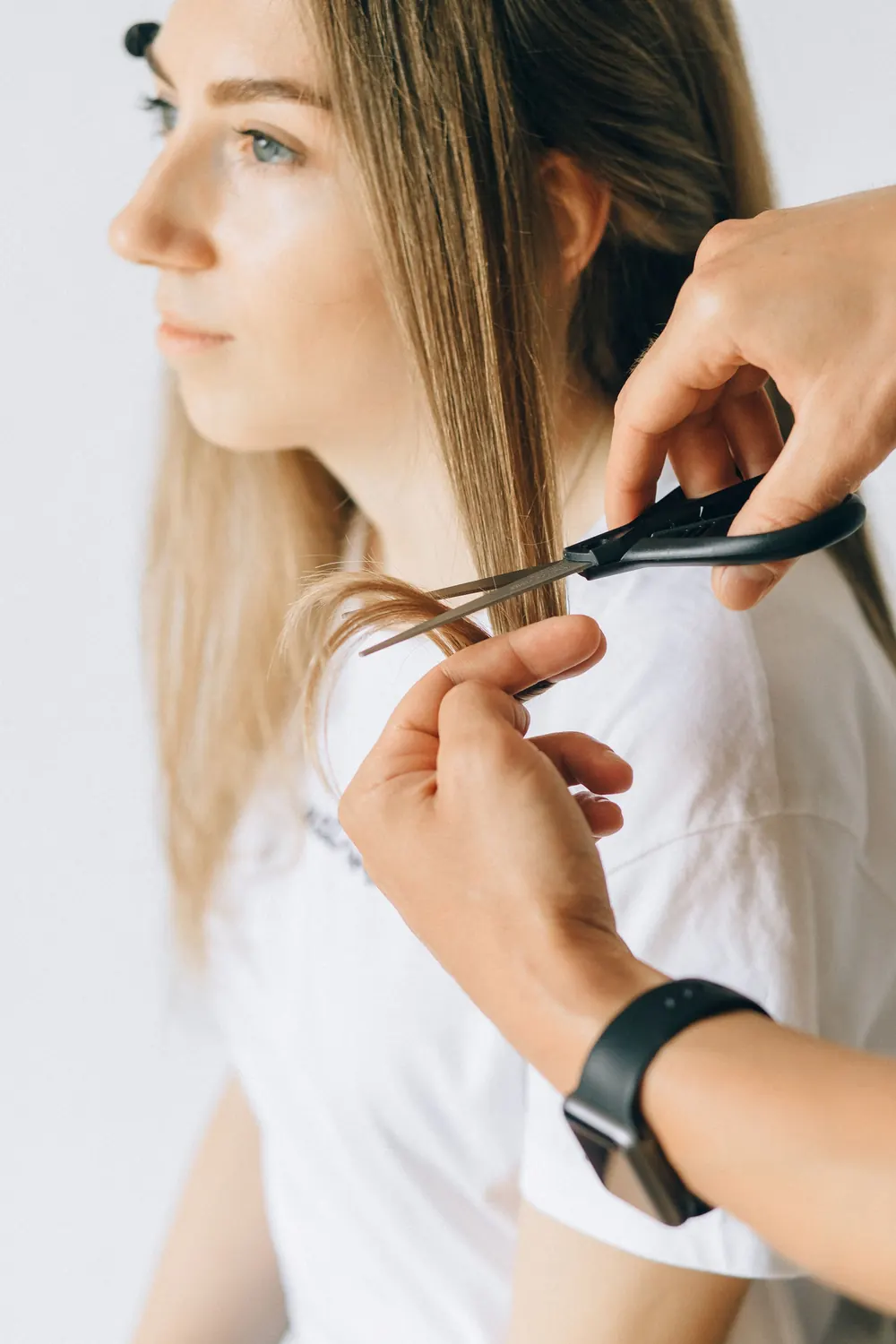
Fine hair benefits from a shorter, choppy shag at the crown for volume, with ends kept blunt enough that they do not look thin. Thick hair suits more internal layering to take out weight, and longer lengths look good. Curly hair is best cut dry or curl by curl so the layers sit properly, and wavy hair needs only light thinning.
If your hair is very straight and flat, ask for a shorter crown layer and a curtain fringe. If it is very curly, ask for long layers and avoid very short top layers that can form a pyramid.

Choose by length
A short shag, around chin length, looks bold and is very low maintenance. A medium shag, between the collarbone and chin, is the easiest to style and suits most face shapes. A long shag keeps length but adds movement, and is a good first step for someone nervous about layers.

Fringe and face shape
A wispy fringe softens a broad forehead, while curtain bangs suit most face shapes and grow out without any awkward stage. Side-swept bangs flatter round and square faces by adding diagonal lines. If you do not want a fringe, ask for face-framing layers that start at the cheekbone.

Ten minute styling
Start with damp hair and apply a lightweight mousse or sea salt spray. Scrunch with your hands and let it air dry for a more natural look, or blow dry with a diffuser on a low heat setting. For straight hair, a texture spray at the roots and a quick wave with a flat iron gives the same effect.
Finish with a small amount of texturising spray, and avoid heavy oils at the roots. Shag cuts look best slightly undone, so do not overstyle.
What to ask for at the salon
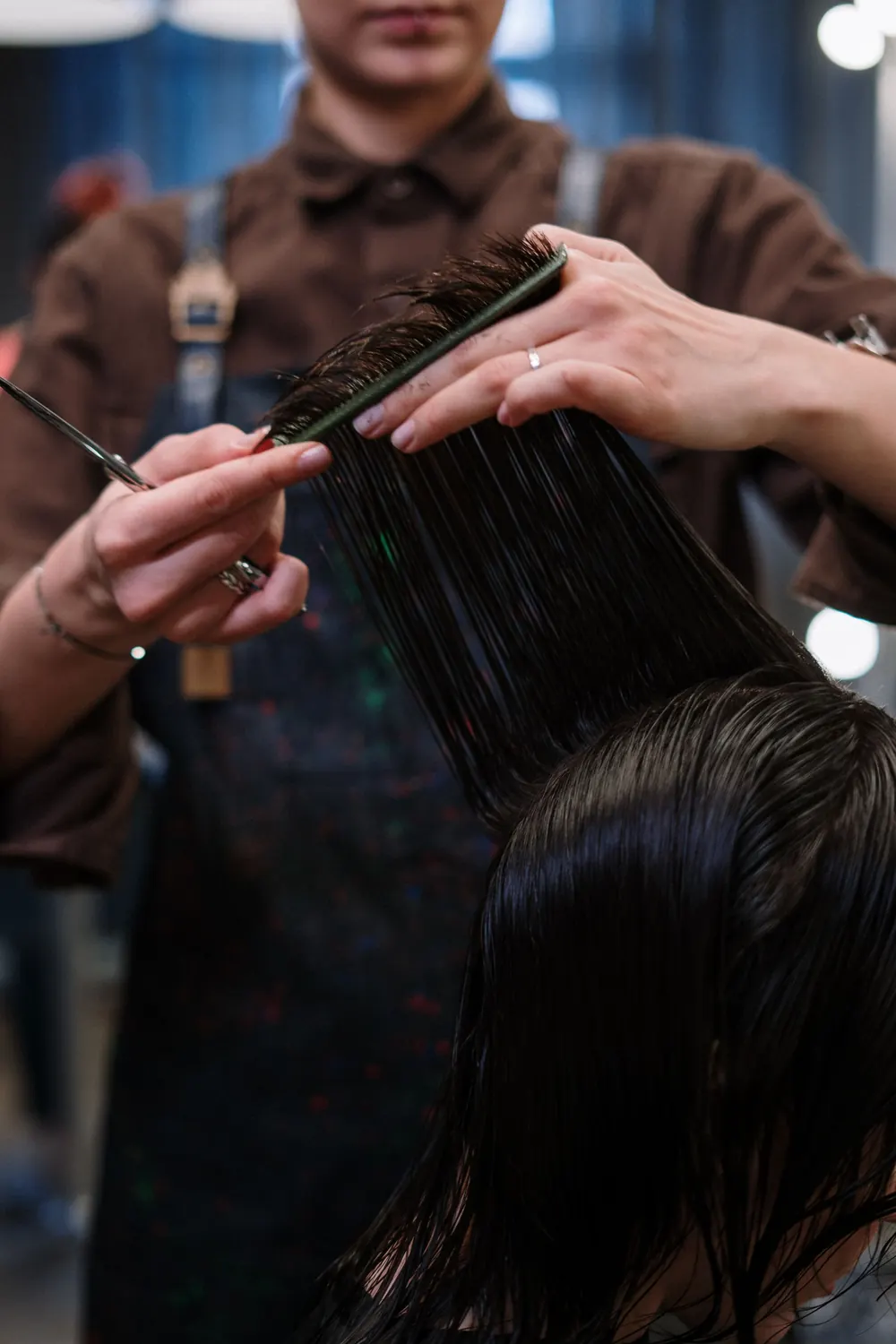
Bring two or three photos of the length and shape you like and one picture of what you do not want. Tell the stylist how much time you will spend styling each day and whether you wear your hair up. Ask where the shortest layer will fall and whether the cut will be done wet or dry.
Maintenance and trims
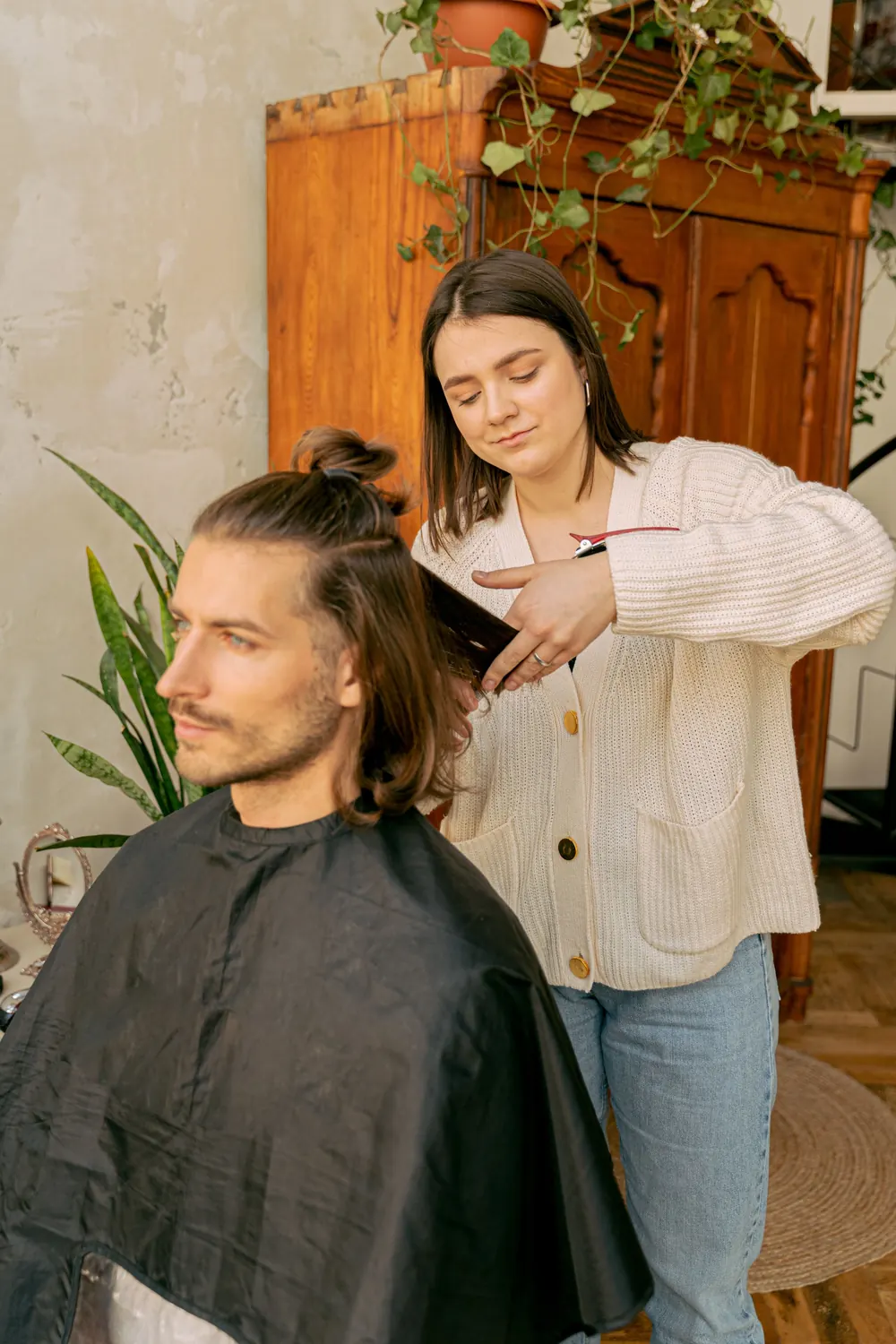
A shag grows out well, and a trim every 8 to 10 weeks keeps the shape. If you have a fringe, a quick trim every 4 to 6 weeks keeps it out of your eyes. Use a leave-in conditioner on the ends to stop them fraying, and wash with a sulphate-free shampoo to keep texture soft.
Get the Style Journal Co letter
One thoughtful email a week with our newest guides and seasonal ideas. No spam, unsubscribe anytime.
FAQ
Does a shag work on fine hair?
Yes, a shorter shag with layers at the crown adds volume. Ask your stylist to keep the ends blunt so they do not look wispy.
Is a shag high maintenance?
No. It is designed to look undone, so it needs only a trim every two months and a few minutes of styling.
Can I get a shag with curly hair?
Yes. Ask for long layers and a cut done on dry curls so the shape sits well.
What is the difference between a shag and a wolf cut?
A wolf cut is a more dramatic version with shorter, choppier crown layers and a longer back. A shag is softer and more blended.
Save this guide for later — this image is sized for pinning.
Some posts may contain affiliate links; see our disclosure. Photography: RDNE Stock project; Nataliya Vaitkevich; Harry Cooke; Antoni Shkraba; Nadezhda Moryak; cottonbro studio; Antoni Shkraba; cottonbro studio; cottonbro studio; cottonbro studio; cottonbro studio; Ailín Policano; Jonathan Meza via Pexels.