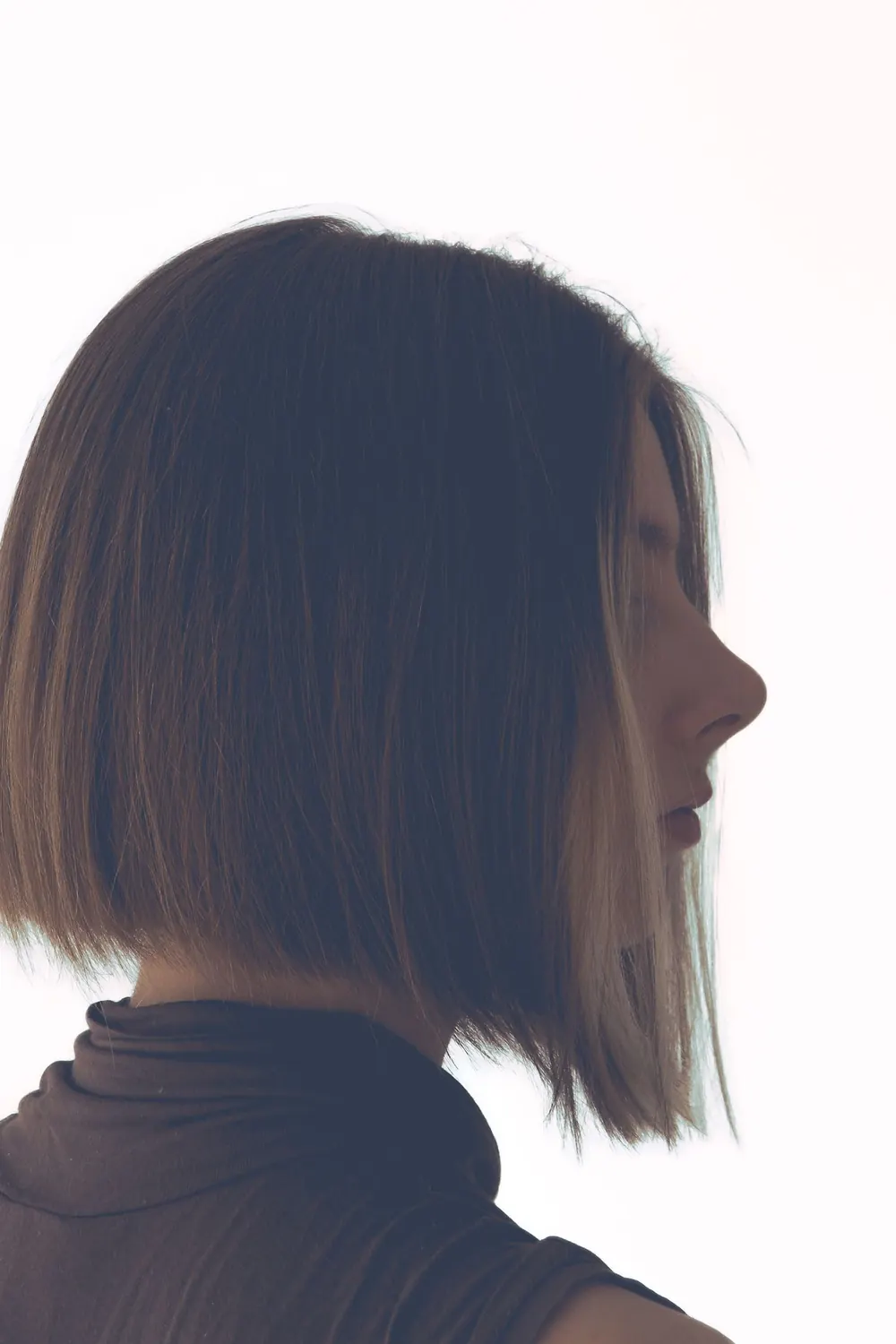
Butterfly Haircut: Who It Suits and How to Style It
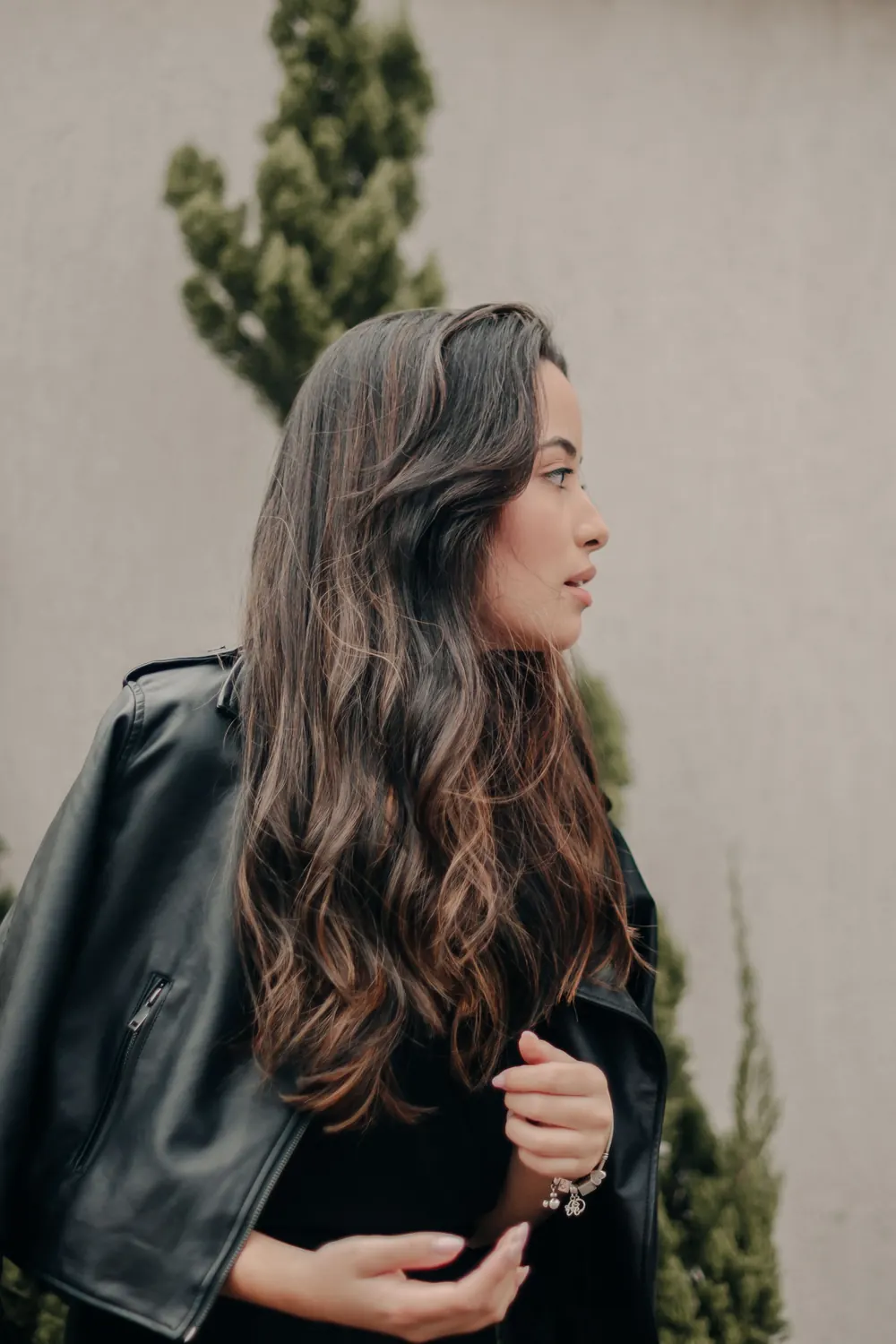
The butterfly haircut explained: what it is, who it suits, what to ask your stylist for, and how to blow-dry and maintain the bouncy, face-framing layers at home.
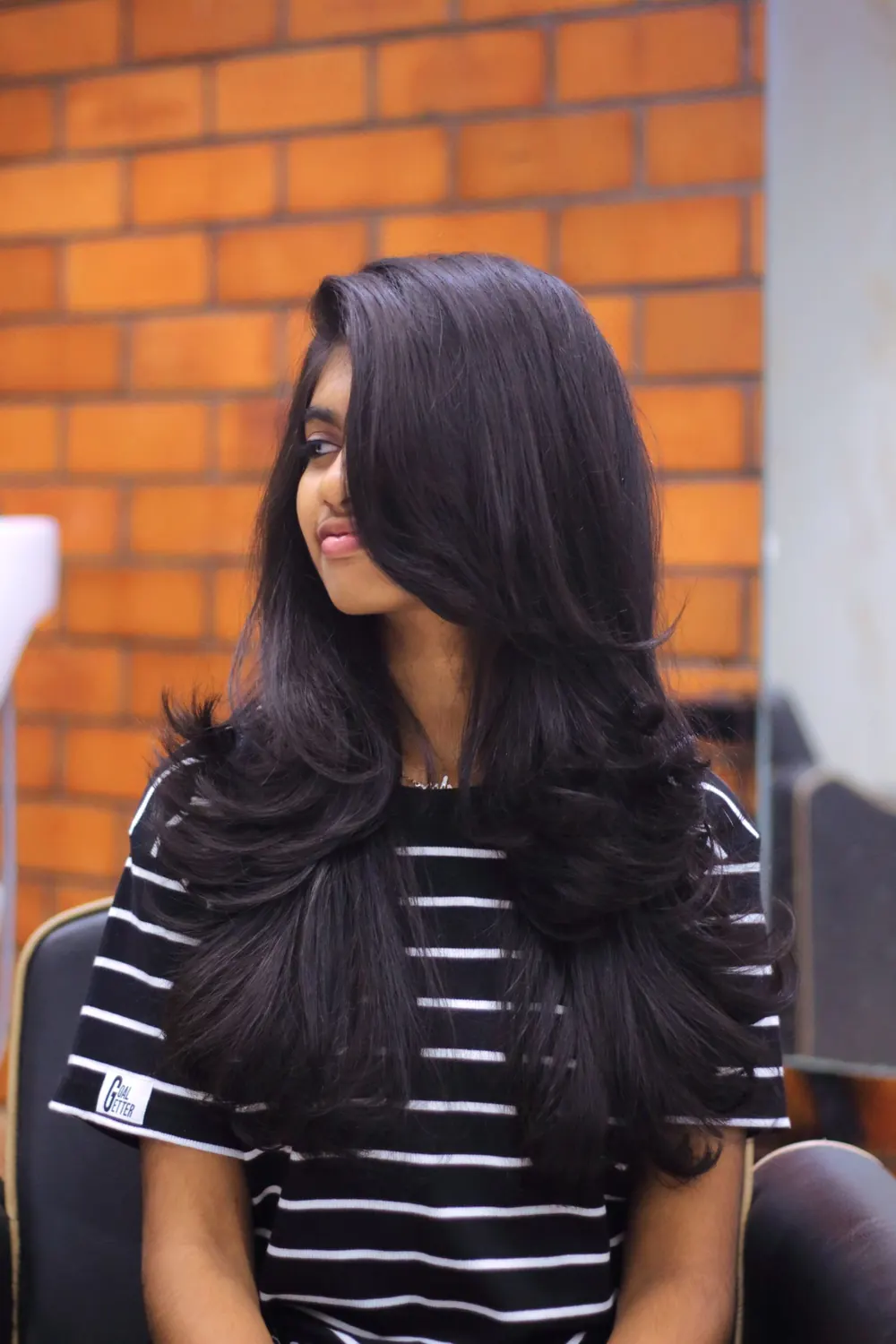
The butterfly haircut is a heavily layered cut that gives long or medium hair the shape of a short, bouncy shag around the face while keeping length at the back. The short layers frame the cheekbones like wings, which is where the name comes from, and the longer layers underneath let you keep your length. It is essentially a modern version of the 1970s feathered cut and the 1990s blowout, and it works because it adds movement and volume without a big chop.
What makes it a butterfly cut
Three features define the cut:
- Short face-framing layers that usually start between the cheekbone and the chin.
- Mid-length layers around the shoulders that blend the short pieces into the length.
- Long perimeter that keeps most of your length intact, often cut with soft, slightly feathered ends.
The layers are cut to curve outward or away from the face when blow-dried, which is what gives the airy, voluminous look you see on Pinterest. On the back, the hair often looks like a long layered cut; the drama is all at the front and crown.
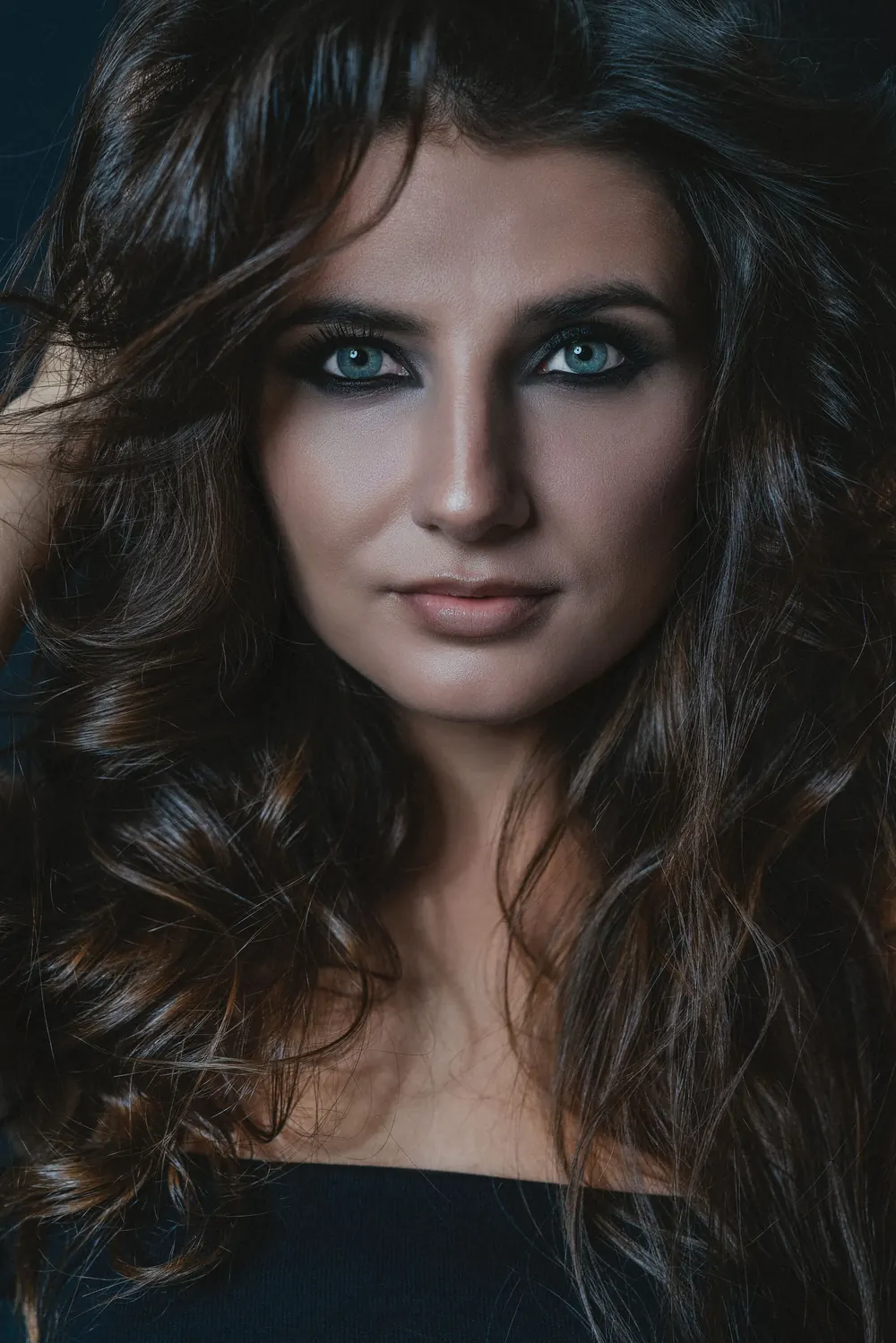
Who the butterfly haircut suits
It is one of the more forgiving layered cuts, but some hair types get better results.
- Medium to thick straight or wavy hair: the ideal candidate. The layers remove bulk and add bounce.
- Fine hair: works if the stylist keeps more weight at the ends. Too many short layers can make the bottom look thin.
- Curly hair: possible, but ask for the layers to be cut dry and curl by curl, and expect the shape to look more like a curly shag.
- Round or square faces: face-framing layers that start just below the cheekbone soften the jawline.
- Long or oval faces: layers that start around the cheekbones add width and balance.
If your hair is very short, above the shoulder, there is not enough length for the contrast that makes the cut recognisable. Grow to at least collarbone length first.
What to ask your stylist for
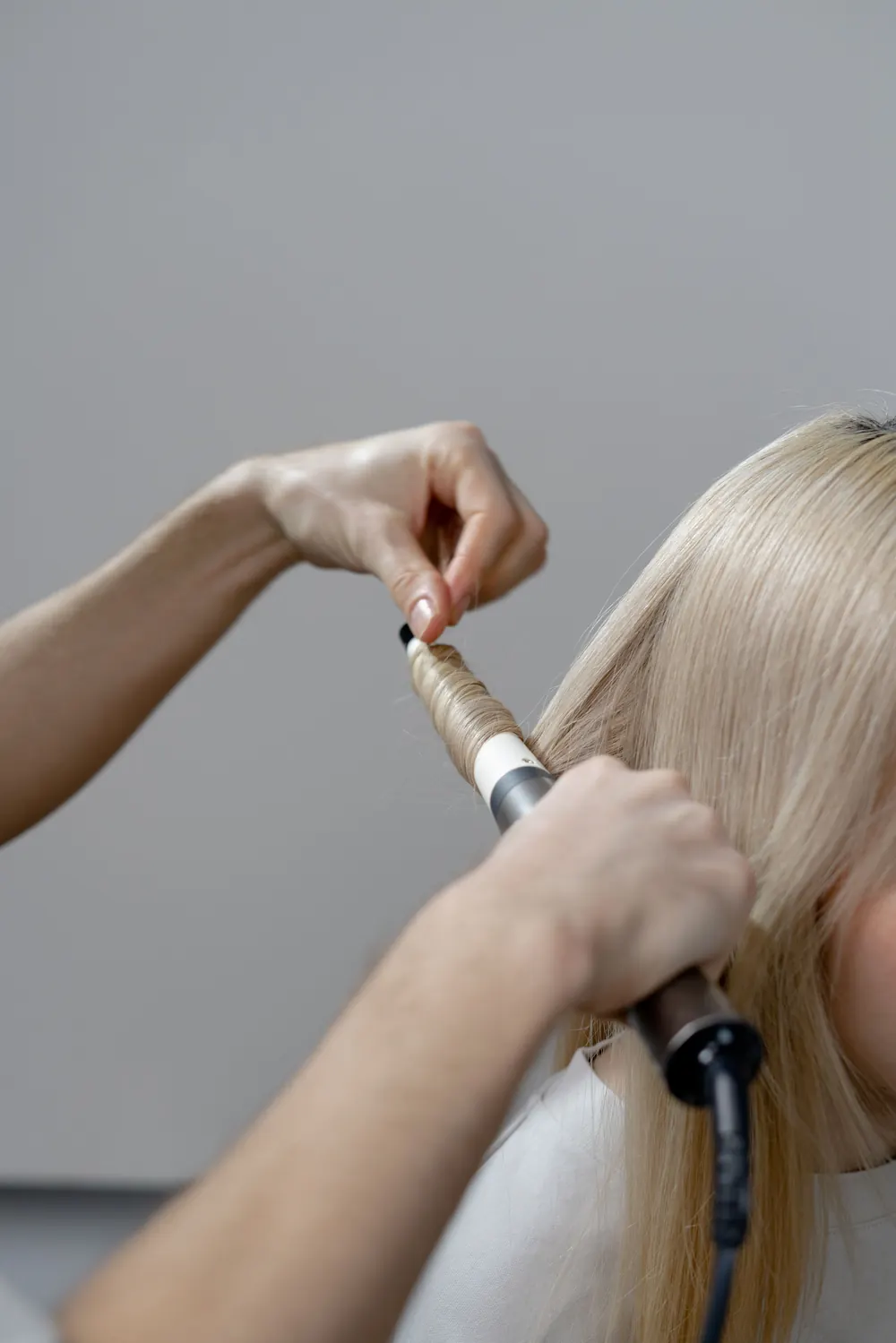
Bring two or three photos of butterfly cuts on hair close to your own texture, and say what you want to keep. Useful phrases:
- "Long layers through the back, keep my length as much as possible."
- "Short face-framing layers starting at my cheekbones" (or chin, if you want it softer).
- "Blend the layers so there is no obvious shelf."
- "Show me how to blow-dry it before I leave."
Ask whether they plan to cut with scissors, a razor or both. Razor cutting gives a more feathered, piecey finish, but it is not ideal for very fine or fragile hair.
How to style a butterfly haircut
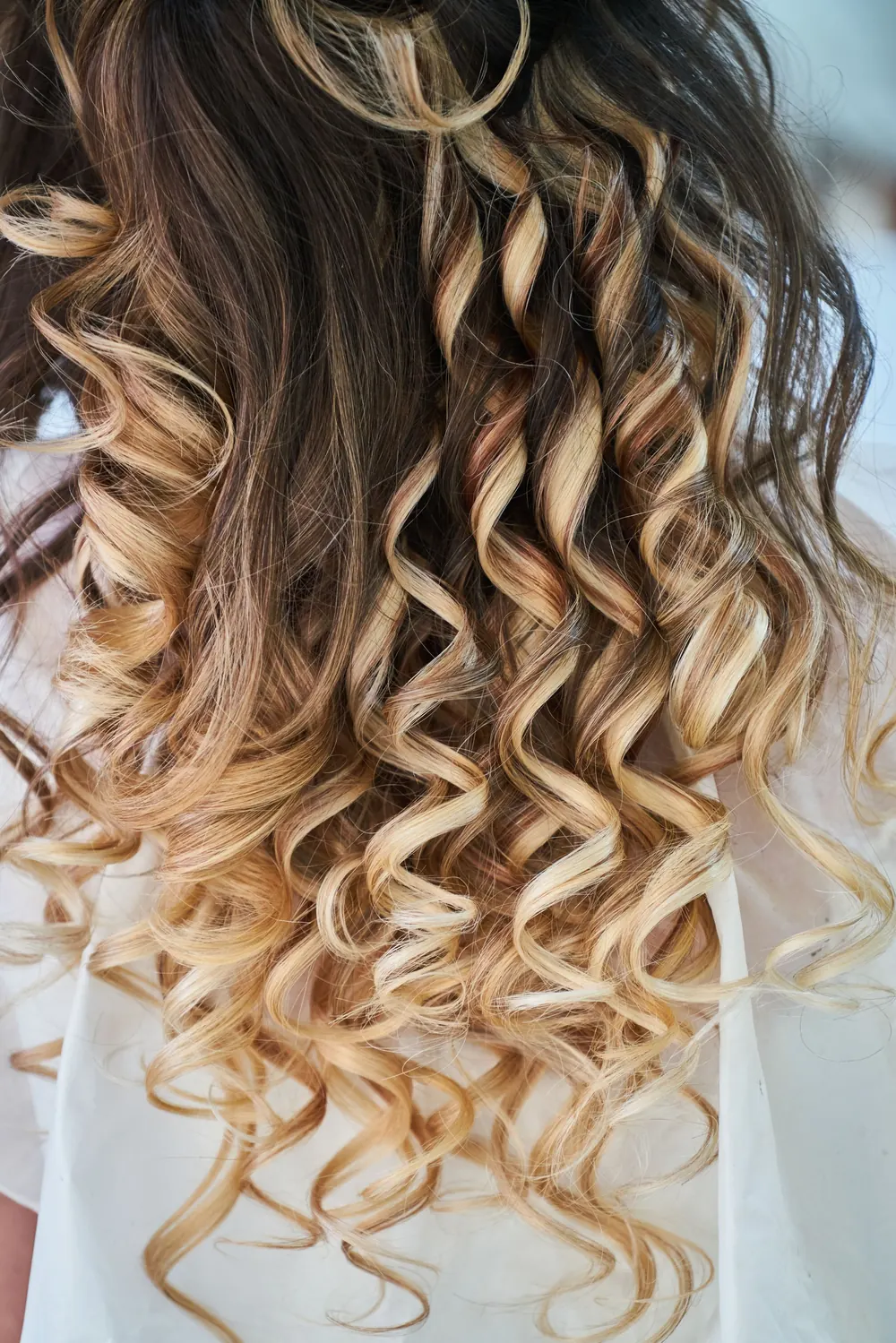
The cut looks best with a round-brush blowout or large velcro rollers, but you can get a good version with a hot brush.
- Apply a heat protectant and a light volumising mousse or spray at the roots while hair is damp.
- Rough-dry to about 80 per cent, lifting the roots with your fingers.
- Section the front. Use a large round brush to dry each face-framing piece up and away from the face, then roll the ends outward.
- Dry the back in larger sections with the ends turned under or out, depending on how much bounce you want.
- While each section is still warm, wrap it in a large velcro roller or pin it in a loose curl, and let it cool for five to ten minutes.
- Remove the rollers, shake out the curls with your fingers and finish with a flexible hairspray.
On non-blowout days, the layers still look good air-dried with a curl cream if your hair is naturally wavy, or with a quick pass of a large-barrel curling iron on the front pieces only.
Maintenance
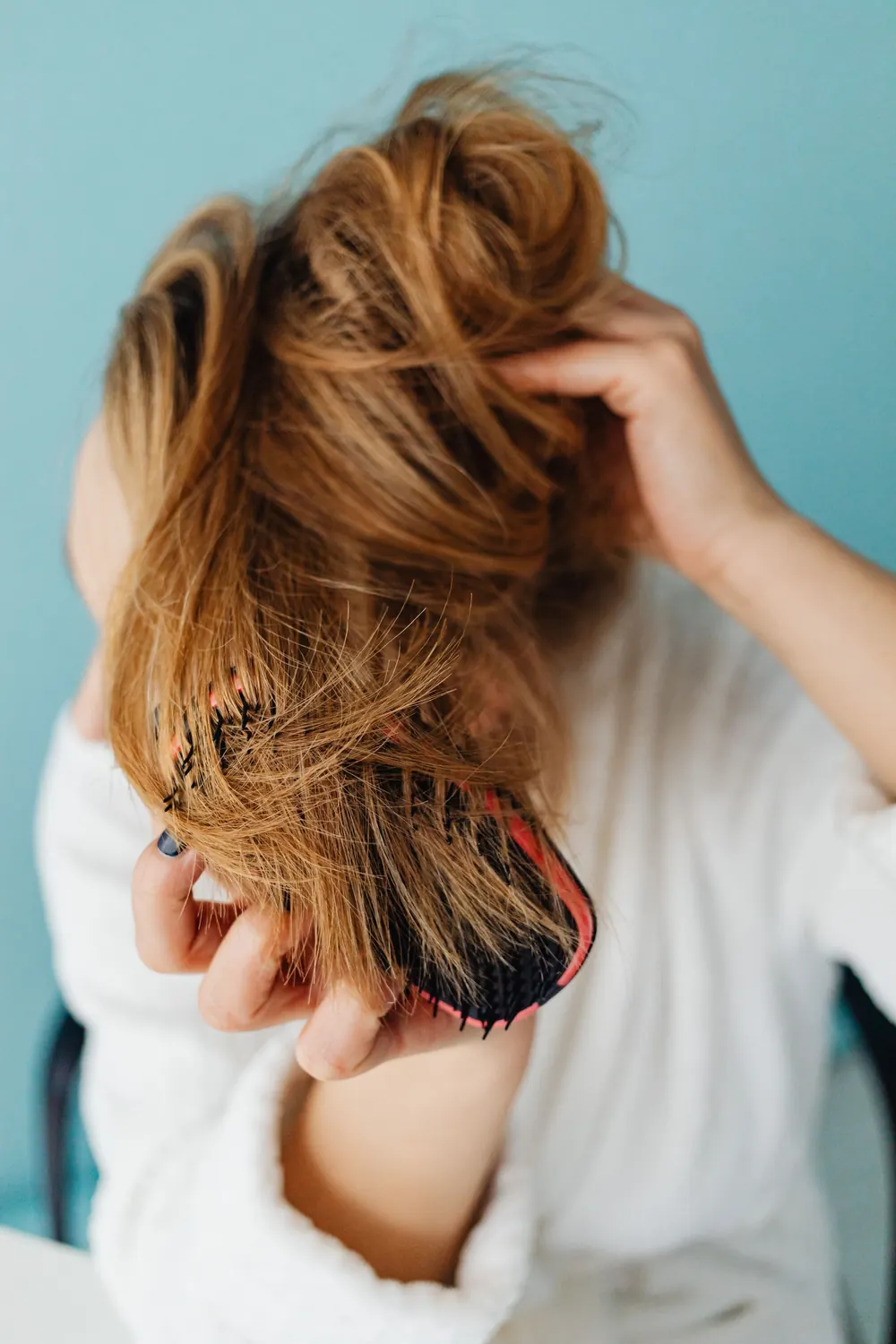
Layers grow out quickly at the front, so plan a trim every eight to ten weeks, or a fringe-and-face-frame trim in between. Use a lightweight conditioner so the layers do not fall flat, and keep the ends healthy with a heat protectant every time you use tools. A weekly bond-building or moisture mask helps if you blow-dry often.
Butterfly haircut vs similar cuts
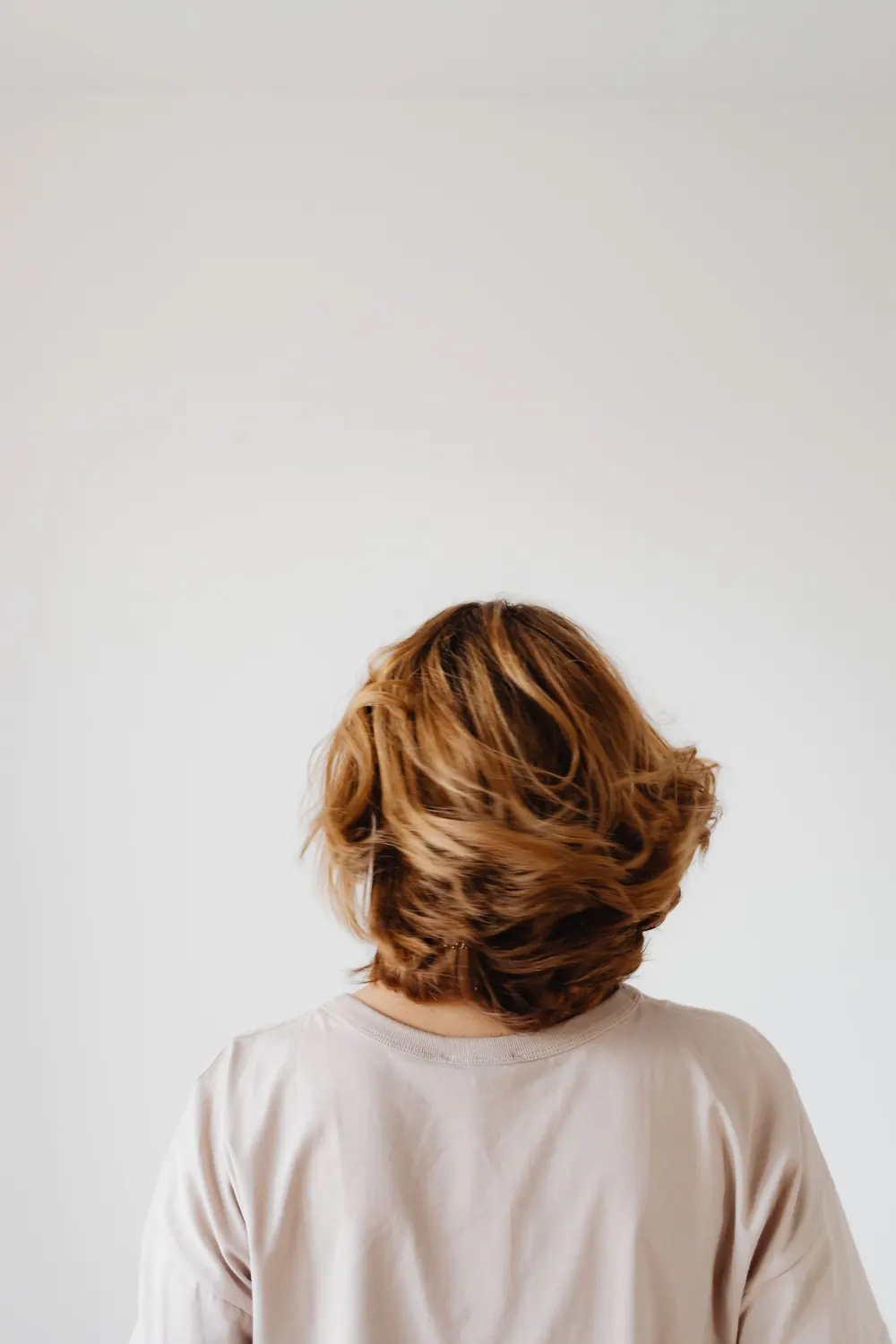
- Wolf cut: more choppy and shaggy all over, often with a stronger mullet shape. The butterfly is softer and more polished.
- Long layers: layers start lower and are less dramatic around the face.
- Curtain bangs: a fringe only; many butterfly cuts include curtain bangs, but the defining feature is the layered shape.
Get the Style Journal Co letter
One thoughtful email a week with our newest guides and seasonal ideas. No spam, unsubscribe anytime.
FAQ
Is the butterfly haircut good for thin hair?
It can be, if the stylist keeps the perimeter thick and limits the number of short layers. Ask for a softer version with face-framing pieces only.
Can you do a butterfly cut on short hair?
It needs at least collarbone-length hair to create the contrast between short and long layers. On shorter hair the same idea becomes a layered bob or a shag.
How long does a butterfly haircut take to grow out?
The face-framing layers blend back into the length in about six to nine months, depending on how short they were cut and how fast your hair grows.
Do I need to blow-dry a butterfly haircut every day?
No. A good blowout can last two or three days with dry shampoo and a quick touch-up of the front pieces, and wavy hair can be air-dried with styling cream.
Save this guide for later — this image is sized for pinning.
Some posts may contain affiliate links; see our disclosure. Photography: Vinicius Quaresma; Юлиана Маринина; cottonbro studio; Engin Akyurt; https://kaboompics.com/; https://kaboompics.com/; cottonbro studio; Da Na; Livia Covaliov; Mâide Arslan; Nataliya Vaitkevich; Ketut Subiyanto; Navid Sohrabi; Bruno Ticianelli via Pexels.