Pixie Cut Ideas: Choosing, Styling and Growing Out the Cut

Pixie cut ideas and practical advice: which pixie suits your face shape and hair texture, what to ask your stylist, daily styling in five minutes, trim schedules and how to grow a pixie out without awkward stages.
A pixie cut is short, bold and surprisingly versatile. It shows off the eyes, cheekbones and neck, dries in minutes and can look soft and romantic or sharp and edgy depending on how it is cut and styled. Because there is so little length to play with, the details matter: where the weight sits, how long the fringe is and how the back and sides are tapered. This guide helps you choose the right version and keep it looking good.
Is a pixie right for you?
Almost anyone can wear a pixie, but the shape should be adjusted to your face and hair.
- Oval faces: suit nearly every pixie, from very short and cropped to long and choppy.
- Round faces: choose height on top and a side-swept fringe, with closer sides. Avoid a full rounded crown that echoes the face shape.
- Square faces: soft, textured layers and a wispy fringe soften a strong jaw.
- Heart-shaped faces: a longer side fringe balances a wider forehead.
- Long faces: keep volume at the sides and a fringe to shorten the face visually.
Hair texture matters as much as face shape. Fine hair looks fuller in a short, textured pixie with blunt ends inside. Thick hair needs weight removed with point cutting or thinning so it does not puff out. Curly hair can wear a curly pixie, cut dry curl by curl, with more length on top.
Popular pixie styles
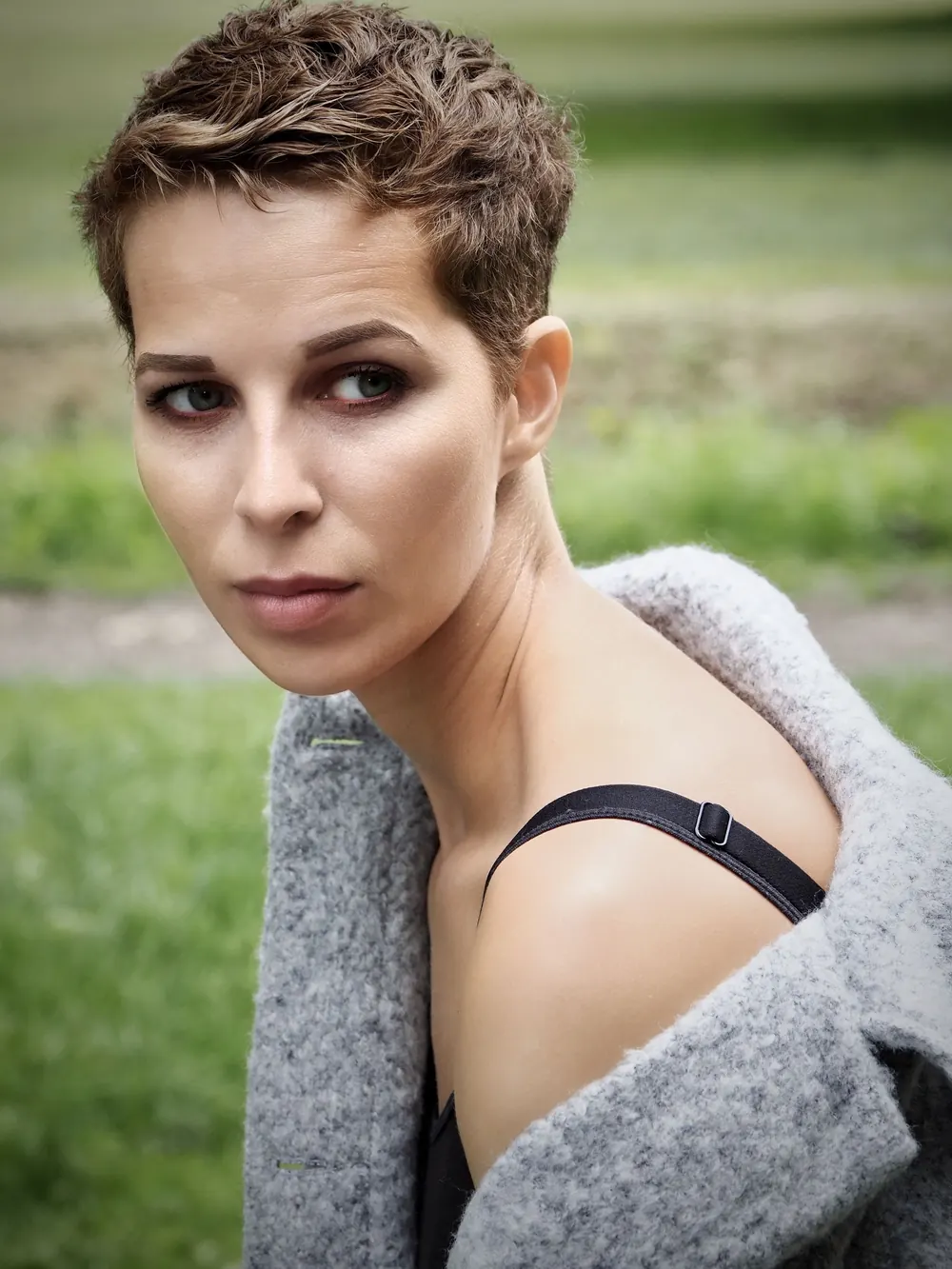
- Classic pixie: short at the back and sides, slightly longer on top, with a soft fringe.
- Long pixie: 7 to 10 cm (3 to 4 in) on top, with a longer side fringe. Easy to wear and a good first pixie.
- Textured or choppy pixie: piecey layers styled with paste for movement.
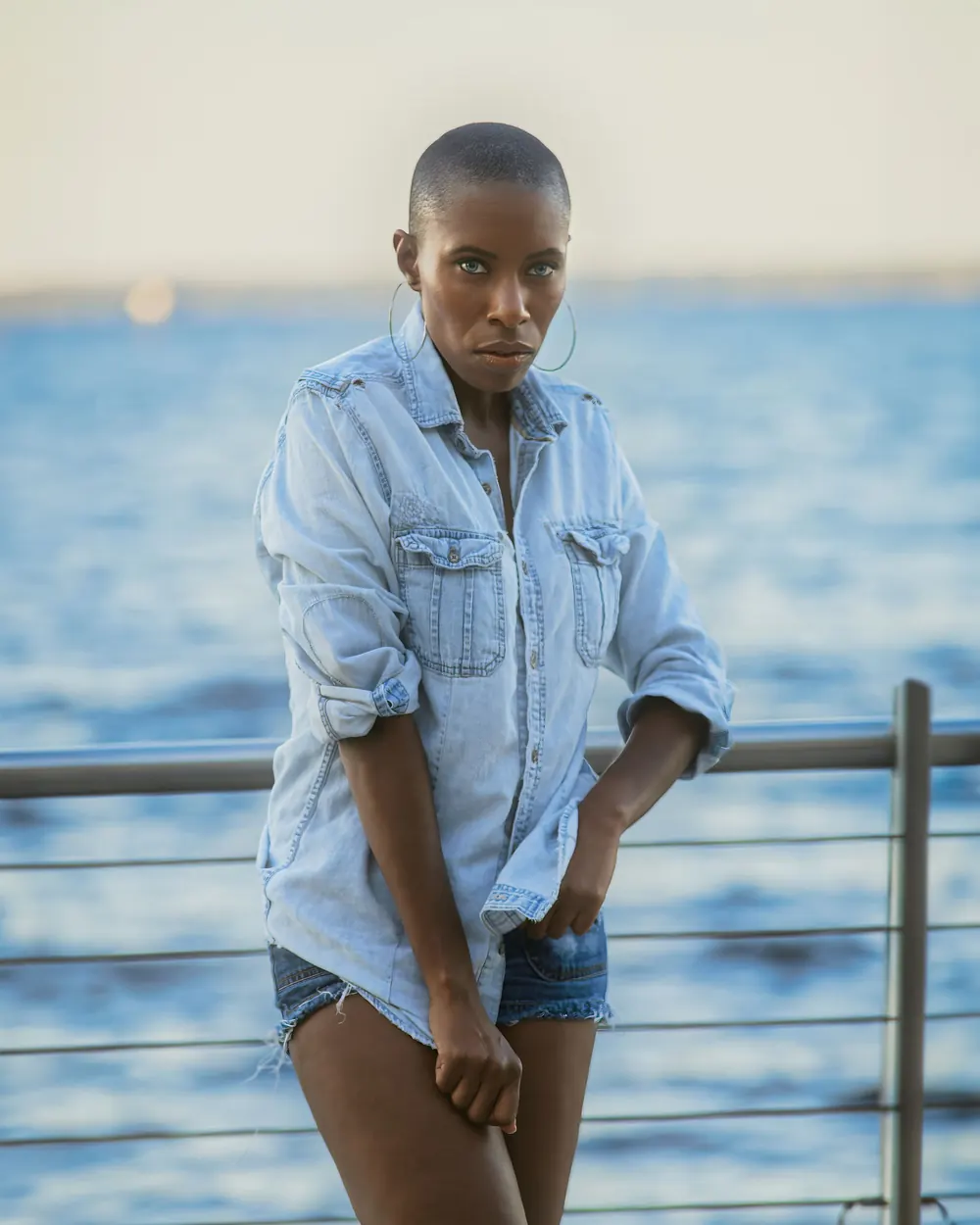
- Undercut pixie: clipper-short sides or nape under longer top hair. Less bulk for thick hair.
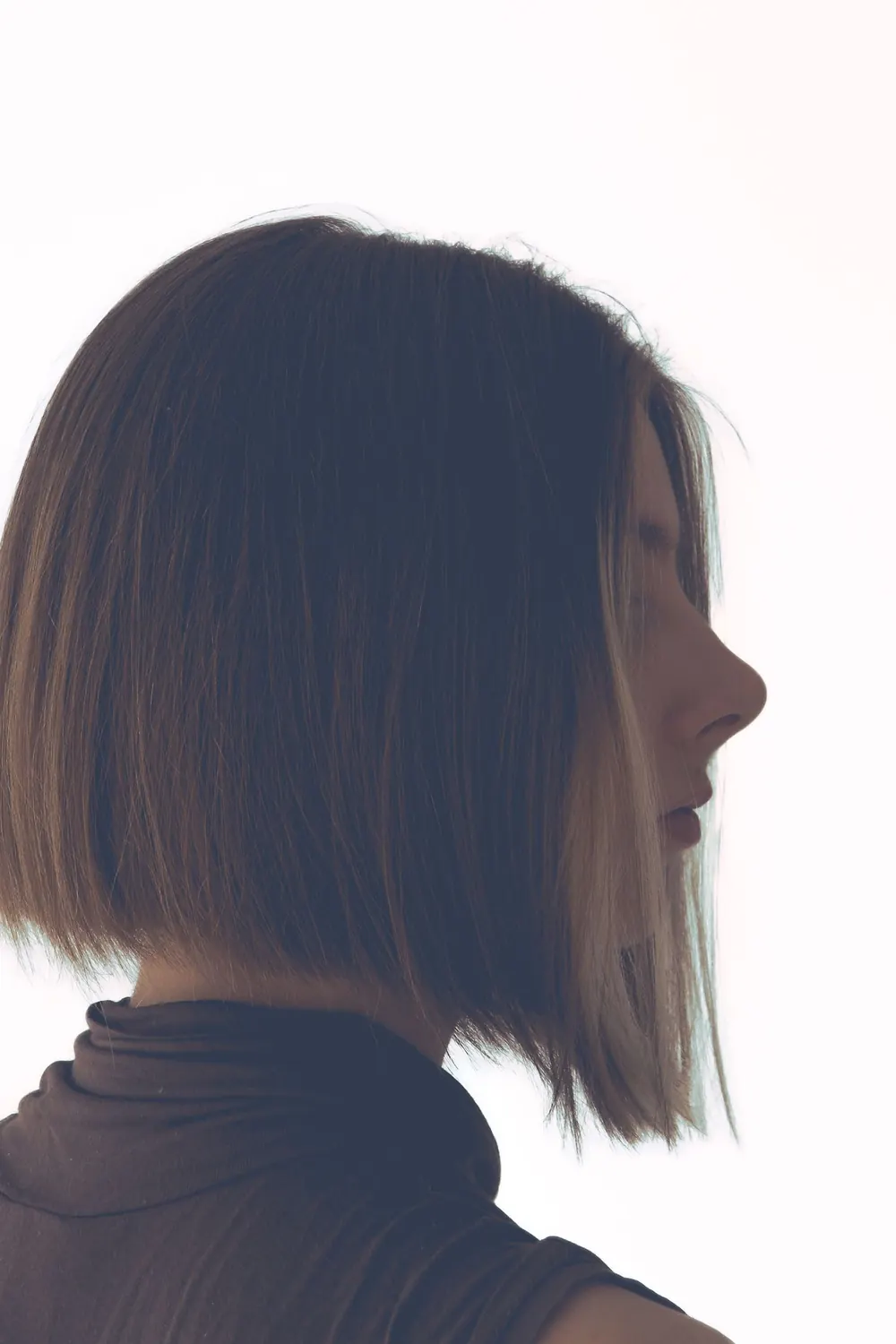
- Bixie: a hybrid between a bob and a pixie, with more length around the ears and nape.
- Curly pixie: short sides with defined curls on top.
- Wispy pixie: soft, feathered ends and a delicate fringe for a romantic look.

What to ask your stylist
Bring two or three photos of pixies on hair similar to yours, and one photo of a look you do not want. Be specific about the fringe length, whether you want your ears covered or exposed, and how you will style it each day. Ask for the nape and sideburns to be tapered softly rather than squared off if you want a feminine finish. If you are nervous, start with a long pixie or bixie, then go shorter at the next appointment.

Styling in five minutes
- Work a small amount of mousse or texturising spray through damp hair.
- Rough dry with your fingers, directing the top forward or to the side.
- Use a small round brush or flat brush on the fringe only.
- Finish with a pea-sized amount of matte paste or pomade, rubbed between your palms first, pinching the ends for texture.
- Smooth the sides with any leftover product.
For a sleek look, use a light cream and a flat iron on the top and fringe. For a soft, tousled look, add sea salt spray and scrunch. On second day hair, dry shampoo at the roots revives volume instantly.
Accessories and changing the look
A pixie is easier to change up than many people think. Push the fringe back with a little gel for a slicked look, swap the parting from side to side, or tuck the sides behind your ears. Small clips, slim headbands and statement earrings all stand out more with short hair.
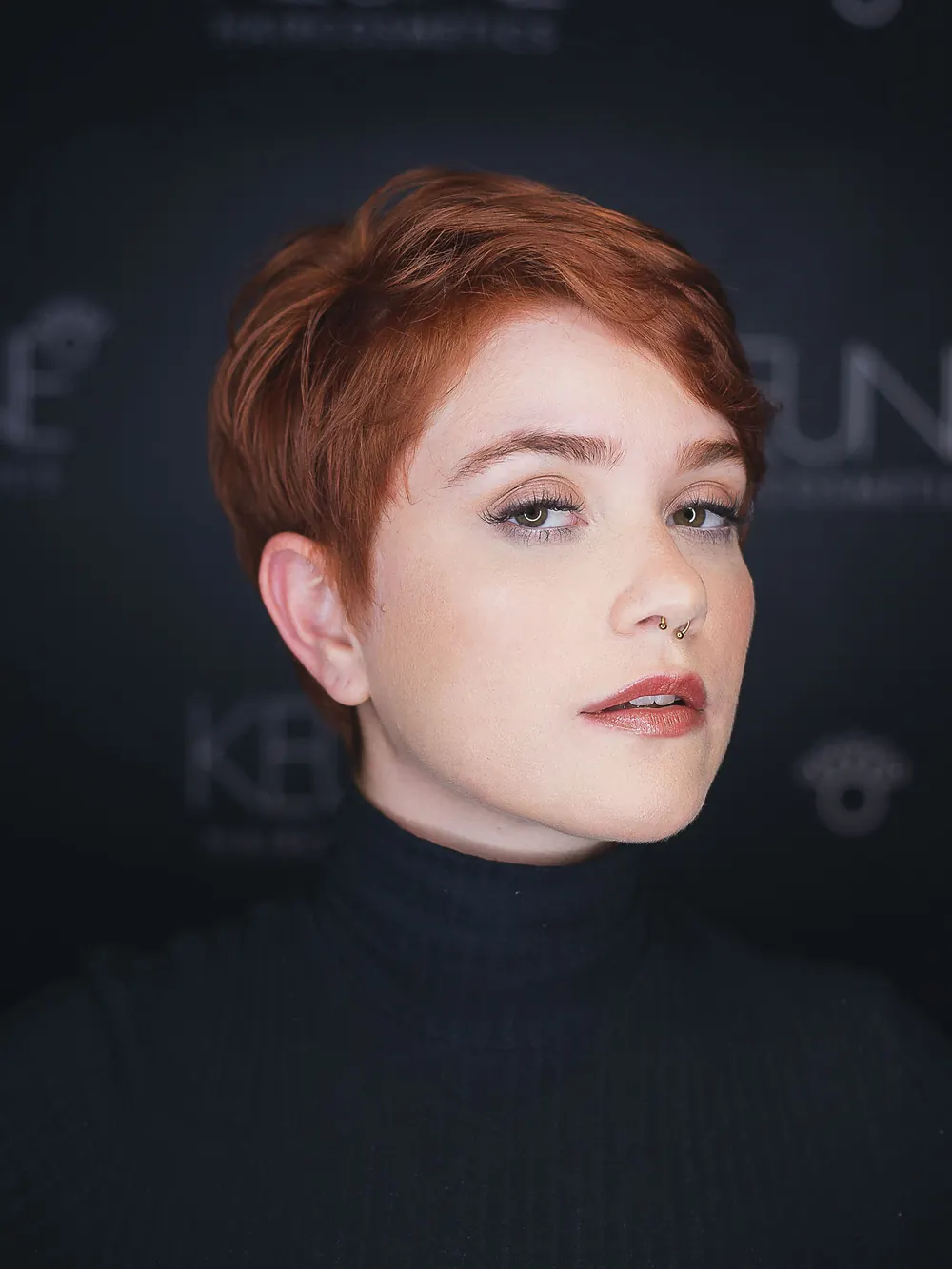
Maintenance and trims
A pixie loses its shape quickly as it grows. Plan trims every four to six weeks to keep the nape and sides neat. Between appointments, some salons offer quick fringe and neck trims. Short hair also shows dryness and frizz more easily, so use a light conditioner every wash and a heat protectant before any hot tools.
Colour looks great on a pixie: highlights add texture, a gloss adds shine and bold shades such as copper, platinum or deep brunette are easier to keep healthy because the hair is cut so often.
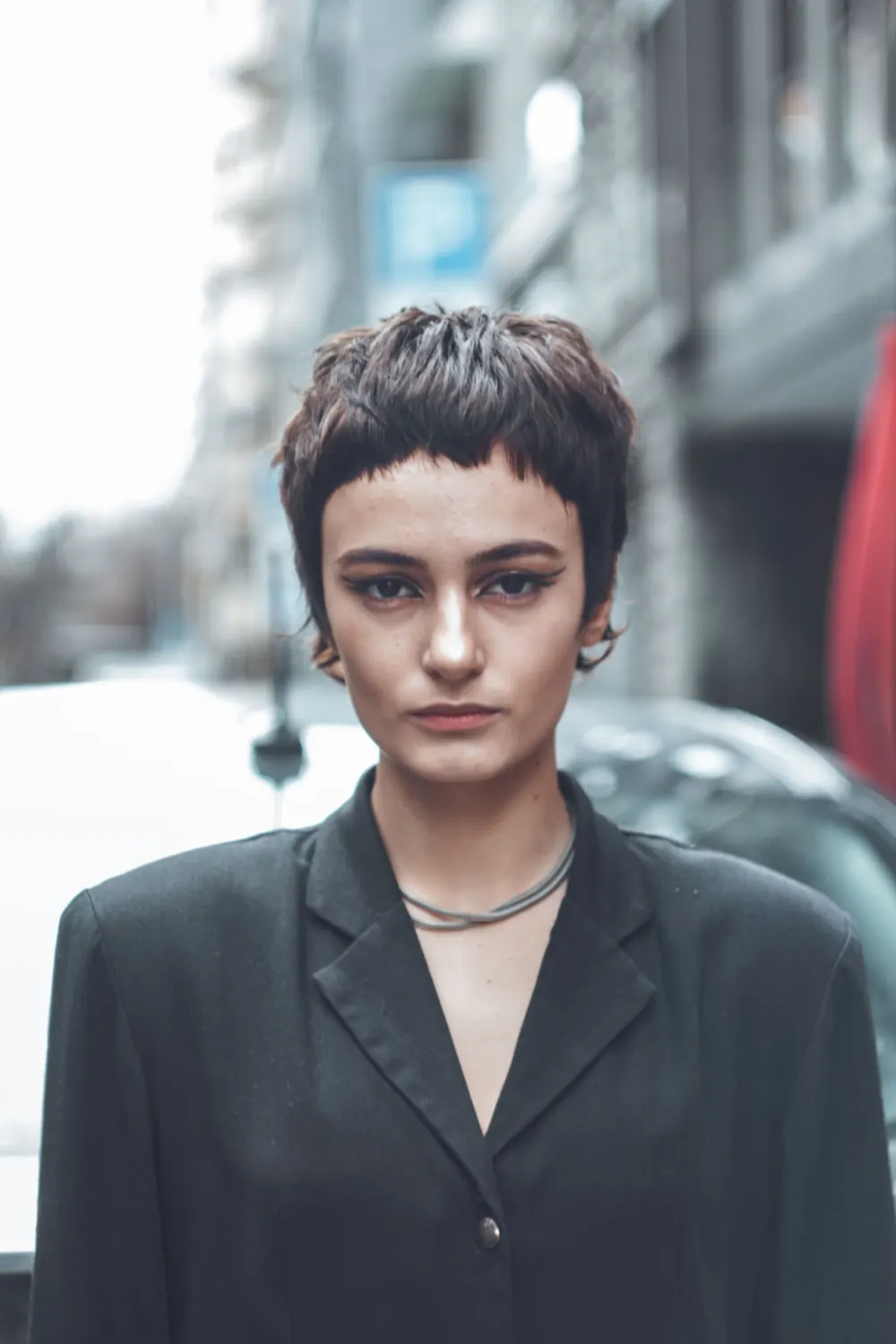
Growing out a pixie
Growing out a pixie takes patience, but regular shaping prevents a mullet-like stage.
- Keep trimming the back and nape every six to eight weeks while the top and sides grow.
- Let the fringe grow into a side-swept style, then curtain bangs.
- Move to a bixie, then a short bob, which usually takes six to nine months depending on how short you started.
- Use headbands, clips and texture spray on in-between days.
Get the Style Journal Co letter
One thoughtful email a week with our newest guides and seasonal ideas. No spam, unsubscribe anytime.
FAQ
Does a pixie cut suit a round face?
Yes. Choose height on top, close sides and a side-swept fringe to add length.
How often should a pixie cut be trimmed?
Every four to six weeks to keep the shape neat.
Is a pixie cut easy to style?
Most pixies take five minutes with a little mousse and paste.
Can you have a pixie with fine hair?
Yes. A short, textured pixie with blunt ends inside makes fine hair look fuller.
Save this guide for later — this image is sized for pinning.
Some posts may contain affiliate links; see our disclosure. Photography: Юлиана Маринина; Marvin Corea; Antonio Friedemann; Viktoria Slowikowska; Barbara Sheldrake; Daylane Oliveira; Misho chachanidze; Ali Ahmadi; John Rae Cayabyab; Pegah Sharifi; Sidicley Santana dos santos; behrouz sasani; Najafi Photos via Pexels.