Winter Hair Care Routine for Soft, Shiny Hair

A winter hair care routine for soft, shiny hair, covering washing, conditioning, heat, static, hats and night-time care, with a simple weekly plan.
Winter can be tough on hair. Cold air outside, dry central heating inside, wool scarves, hats and hot showers all strip moisture from your strands. The result is frizz, static, split ends and dull colour. A good winter hair care routine fixes most of that with a few simple changes. Here is a practical routine that keeps hair soft and shiny until spring.
Why hair gets dry in winter
Cold air holds less moisture, and indoor heating dries the air further. Hair loses water to its surroundings, becoming brittle and prone to static. Hot showers, which we all love in winter, strip natural oils from the scalp and hair. Friction from hats, scarves and coat collars roughens the cuticle and causes breakage.
Washing: less often, with cooler water
- Wash less often. If you wash daily, try every other day or every third day. Use dry shampoo in between.
- Use a gentle shampoo. Sulphate-free formulas clean without stripping.
- Focus shampoo on the scalp. Let the suds rinse through the lengths rather than scrubbing them.
- Use lukewarm water, and finish with a cooler rinse to smooth the cuticle.
Conditioning: more and richer
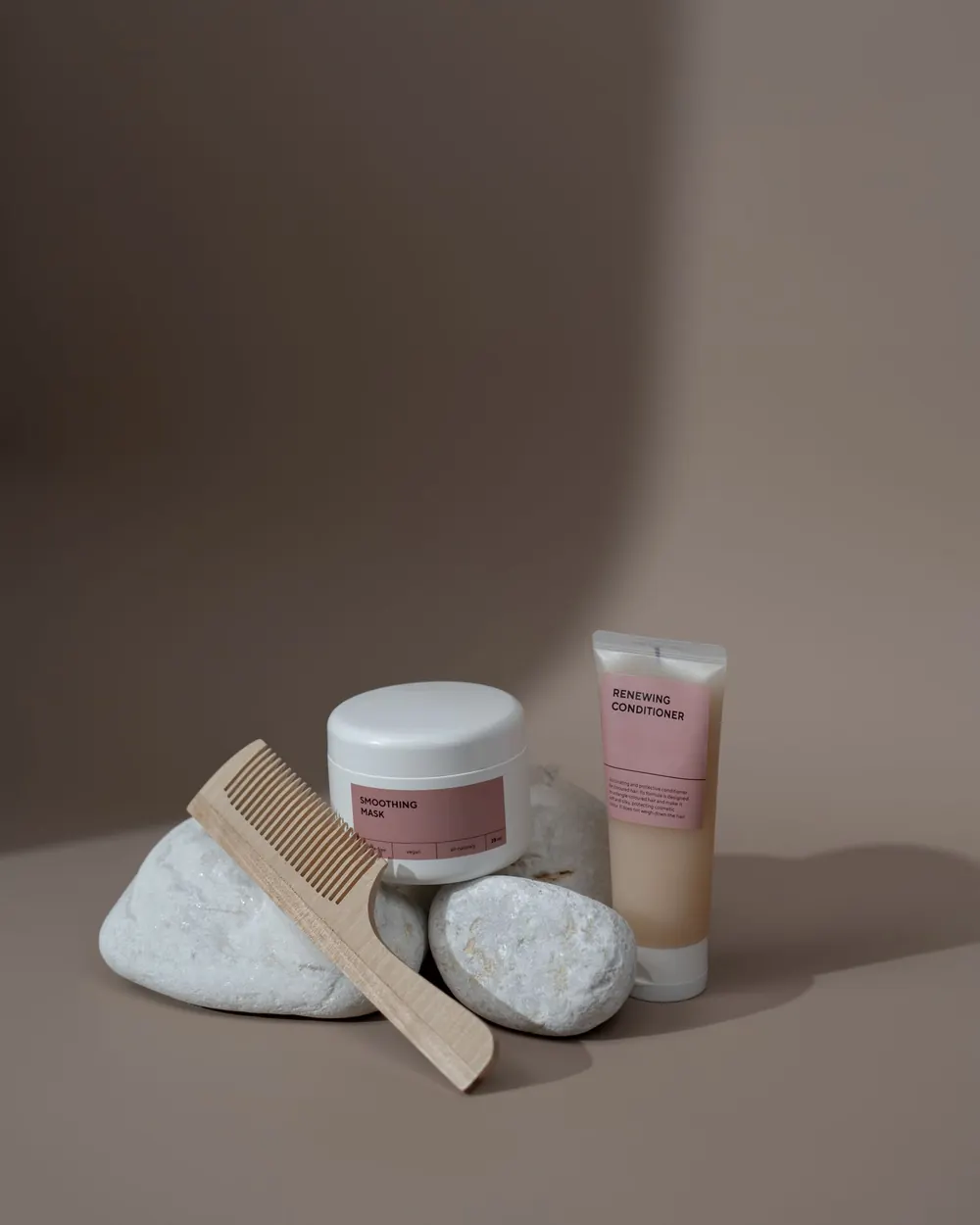
- Condition every wash. Apply from mid-lengths to ends.
- Use a hair mask weekly. Look for ingredients like shea butter, oils and ceramides.
- Try a leave-in conditioner to keep hair hydrated through the day.
- Use a hair oil on damp or dry ends to seal in moisture.
Scalp care
The scalp can get dry and flaky in winter. Massage your scalp gently while shampooing to boost circulation. If you have flakes, a gentle scalp serum or a weekly scalp scrub can help. Avoid scratching, which irritates the skin.
Heat styling
Since hair is already drier in winter, be extra careful with heat:
- Always use heat protectant.
- Lower the temperature on straighteners and curling irons.
- Air-dry partly before blow-drying.
- Try heatless styles, such as braids or heatless curls overnight. Our guide to heatless curls has several methods.
Never go out with wet hair in cold weather. Wet hair is more fragile and can break more easily.
Taming static
Static happens when dry hair picks up electrical charge. To reduce it:
- Use a leave-in conditioner or a little hair oil.
- Use a wooden or boar bristle brush instead of plastic.
- Lightly rub a dryer sheet over your hair (or your brush) in an emergency.
- Use a humidifier at home.
- Choose silk-lined hats.
Hats and scarves
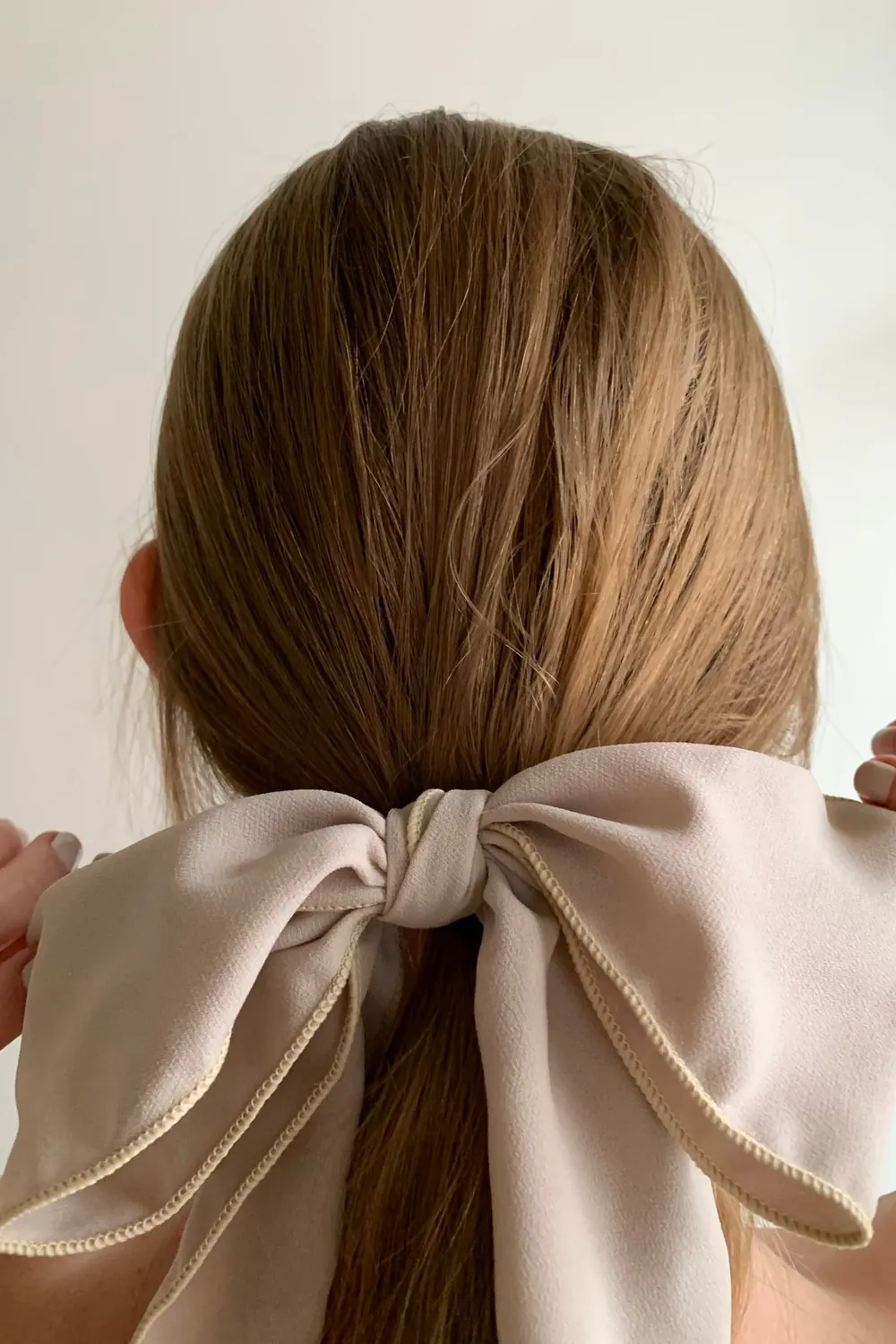
Hats and scarves protect hair from cold and wind, but they also create friction. Choose hats with silk or satin linings, or wear a silk scarf under a wool hat. Tuck long hair inside your coat or into a loose braid to protect it from rubbing.
Night-time care
- Sleep on silk or satin. A silk pillowcase reduces friction and helps hair keep moisture.
- Loosely braid long hair before bed to prevent tangles.
- Apply a little oil or overnight mask to dry ends once or twice a week.
Hydration from the inside
What you eat and drink affects your hair. Drink enough water, even when it is cold and you do not feel thirsty. Foods rich in omega-3, protein, iron and zinc support healthy hair.
Trims
Split ends travel up the hair shaft if they are not removed. Get a trim every eight to twelve weeks during winter to keep ends healthy.

Colour care in winter
Coloured hair, especially blonde and red, can become drier and fade faster in winter. Use colour-safe products, a weekly mask and a gloss treatment. If you have lightened hair, see our icy blonde hair color guide for toning tips.
A simple weekly winter hair routine
- Wash day 1: gentle shampoo, conditioner, leave-in, heat protectant if styling.
- Day 2: refresh with dry shampoo, a little oil on the ends.
- Day 3: wash again with conditioner; weekly hair mask.
- Day 4: heatless style, like braids.
- Day 5: dry shampoo, oil on the ends.
- Day 6: wash, condition, scalp massage.
- Day 7: rest day, loose braid.
Curly hair in winter
Curly hair tends to be drier, so it needs extra moisture in winter. Use a rich leave-in, layer a cream and gel, try the "LOC" method (liquid, oil, cream), and sleep on satin. Refresh curls with a spray bottle of water and conditioner rather than washing.
Product guide by hair type
- Fine hair: lightweight conditioners, leave-in sprays rather than creams.
- Thick hair: richer masks and creams.
- Curly hair: moisturising creams and oils.
- Coloured hair: colour-safe, sulphate-free formulas.
- Oily scalp with dry ends: gentle shampoo on the scalp only, conditioner on the ends.
Mistakes to avoid
- Washing with very hot water.
- Skipping heat protectant.
- Rubbing hair with a towel; blot with a microfibre towel instead.
- Brushing wet hair roughly.
- Tight ponytails every day.
- Going out with wet hair.
When to see a professional
If your hair is breaking a lot or your scalp is very flaky, itchy or sore, see a hairdresser or a dermatologist.
Choosing a silk pillowcase
Look for mulberry silk with a weight of 19 to 22 momme. Wash it gently on a cool cycle.
Signs your routine is working
After three or four weeks of a winter routine you should notice hair feels softer when dry, tangles less after washing and has fewer flyaways under hats. Static should be rare. If ends still feel crunchy, add a second weekly mask or a richer leave-in. If hair feels limp or greasy, you may be using too much product, so cut back on oil and condition only the bottom half of your hair.
Adjusting for very cold climates
In places with long, freezing winters, protective styles are your friend. Braids, low buns and twists keep the ends tucked away from cold air and scarves. Spritz a leave-in under your hat before going out, and keep a small travel-size oil in your bag for midday frizz.
Adjusting for damp, rainy winters
In mild, wet climates the challenge is frizz rather than dryness. Use an anti-humidity serum after styling and carry an umbrella or a hood. Lightweight conditioners stop hair from feeling heavy in the damp.
Key takeaways
- Wash less, use lukewarm water and condition every time.
- Cut down on heat and protect hair from friction.
One last tip
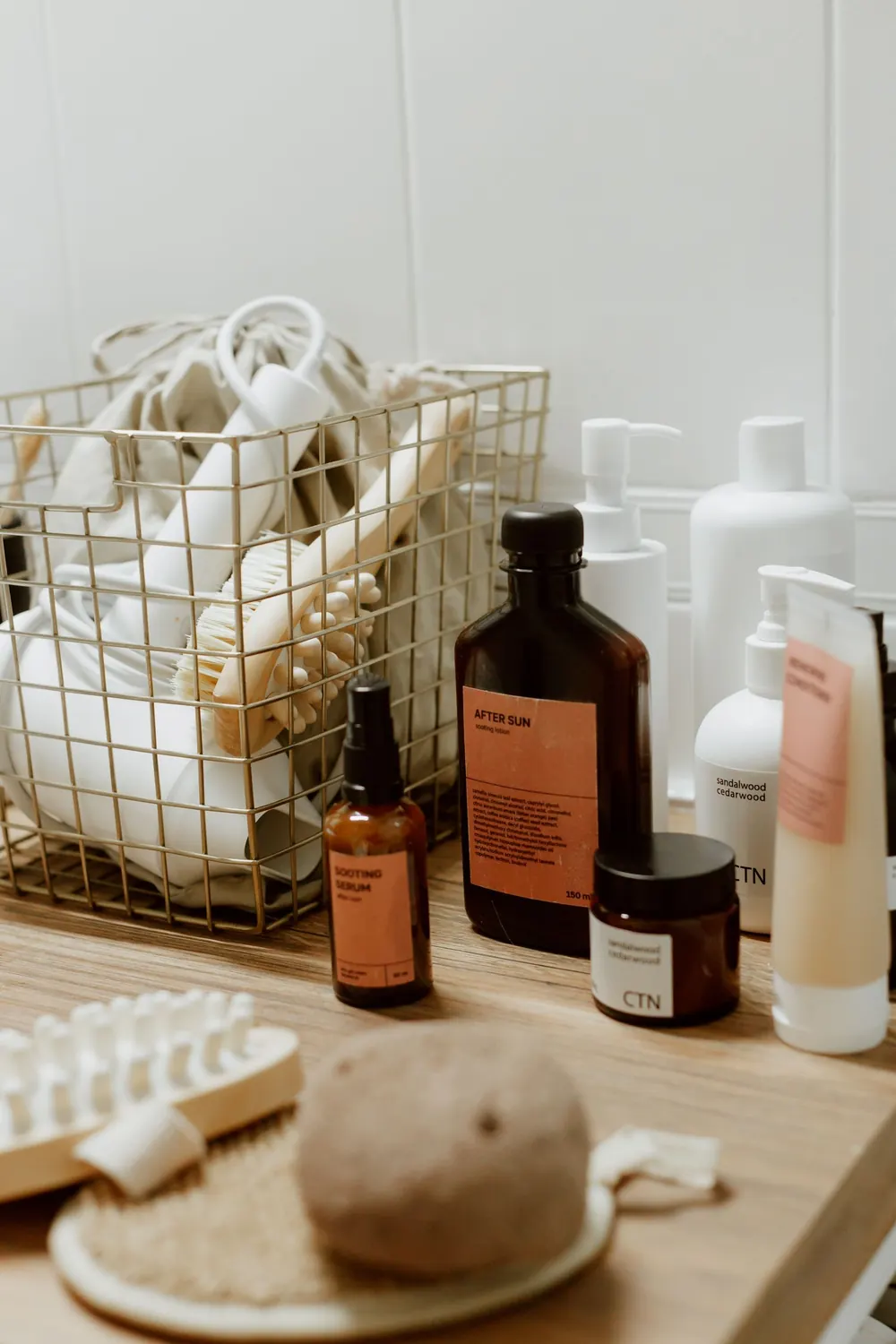
Make your routine easy to stick to by keeping everything you need in one place. A small basket with your mask, leave-in, oil and silk scrunchie by the shower or mirror means you are much more likely to use them consistently.
Get the Style Journal Co letter
One thoughtful email a week with our newest guides and seasonal ideas. No spam, unsubscribe anytime.
FAQ
How often should I wash my hair in winter?
Most people do well with two or three washes a week. Very oily hair may need more.
How do I stop static in my hair?
Moisturise with leave-in or oil, use a natural bristle brush and a humidifier, and choose silk-lined hats.
Is it bad to go outside with wet hair in winter?
Yes. Wet hair is more fragile and can break in the cold. Dry it first.
A winter hair care routine is mostly about protecting moisture: gentler washing, richer conditioning, less heat and less friction. Make these small changes and your hair will stay soft and shiny all season.
Save this guide for later — this image is sized for pinning.
Some posts may contain affiliate links; see our disclosure. Photography: Darina Belonogova; cottonbro studio; Nataliya Vaitkevich; Nataliya Vaitkevich; Ron Lach; pedro furtado via Pexels.