Caramel Highlights: Who They Suit and What to Ask For
Caramel highlights explained: who they suit, the difference between caramel balayage, babylights and face-framing pieces, what to ask your colourist and how to keep the warm tone from turning brassy.
Caramel highlights add warmth and dimension to brown hair without the upkeep of going blonde. They sit between honey and light golden brown, so they catch the light and make hair look glossy rather than stripy. Because the shade is close to many natural brunette bases, the regrowth is soft and forgiving. Here is how to choose the right placement, what to say at the salon and how to care for the colour at home.
What makes a highlight "caramel"
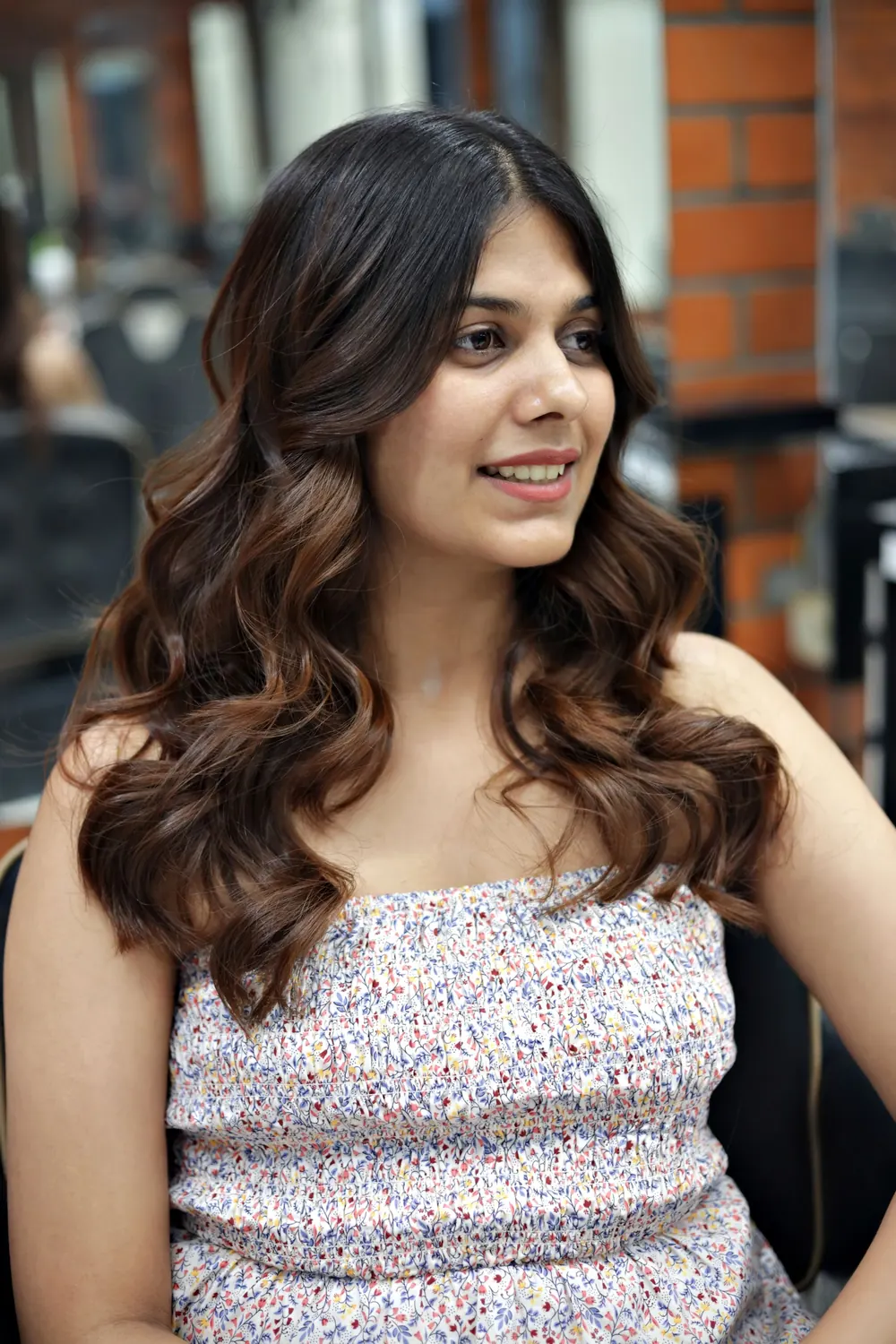
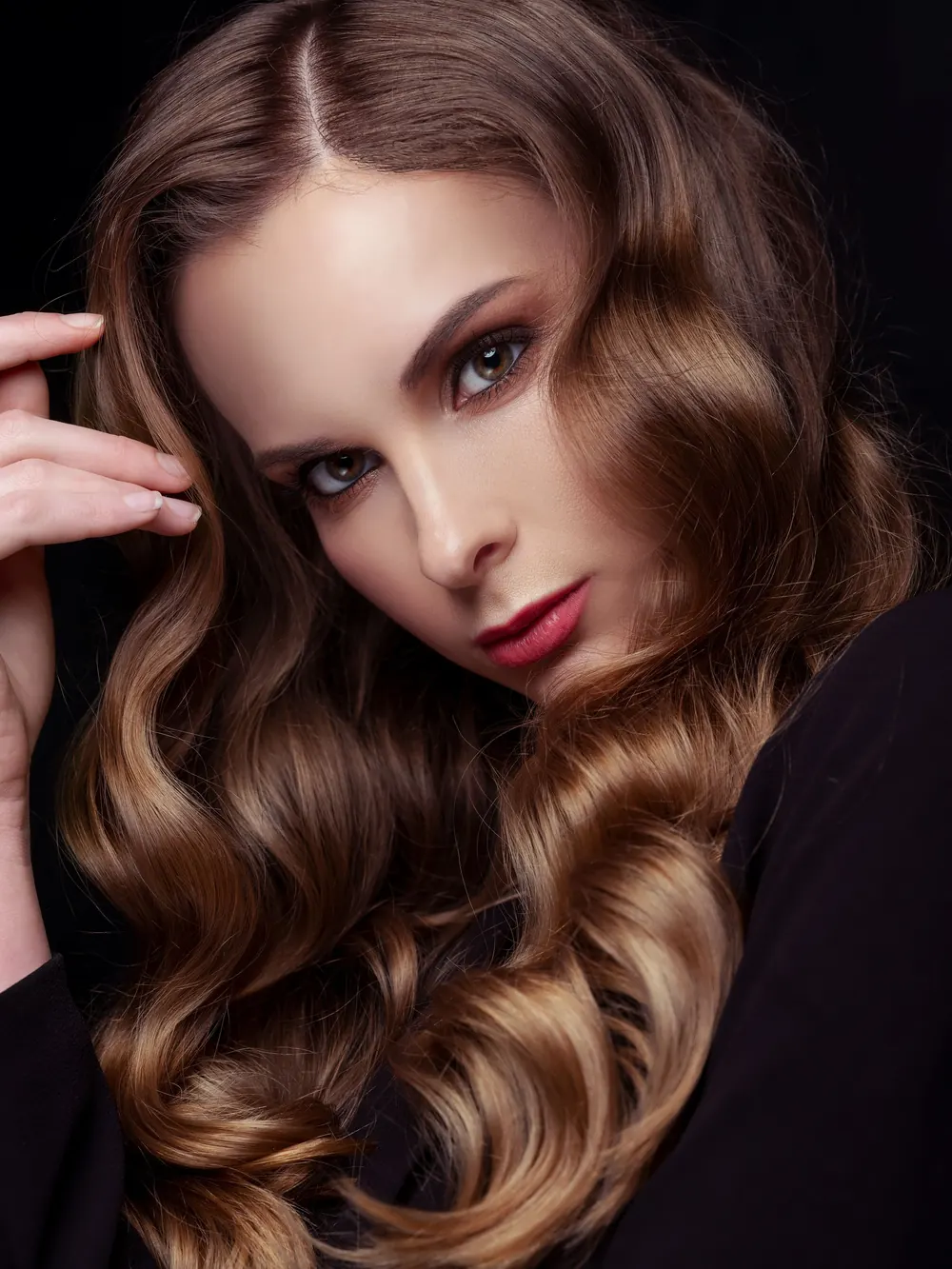
Caramel is a warm, medium-golden brown with a hint of amber. It is lighter than chocolate brown and darker than honey blonde. On dark brown hair, it reads as a soft sun-kissed lift; on light brown hair, it is a subtle, glossy warmth.
Most colourists lift the hair two to three levels above your base, then tone it to a warm golden shade. The result should look natural, as though the sun did it, rather than like chunky stripes.
Who suits caramel highlights
Caramel is flattering on a wide range of people, but it is especially good for:
- Dark and medium brunettes who want brightness without a big change.
- Warm and olive skin tones, where golden shades bring a glow to the face.
- Anyone growing out blonde, as caramel bridges the gap back to brown.
- Low-maintenance clients, because the gentle contrast grows out softly.
If you have cool, rosy skin and find gold makes you look flushed, ask for a "cool caramel" or a beige-toned version with less red and orange.
Placement options
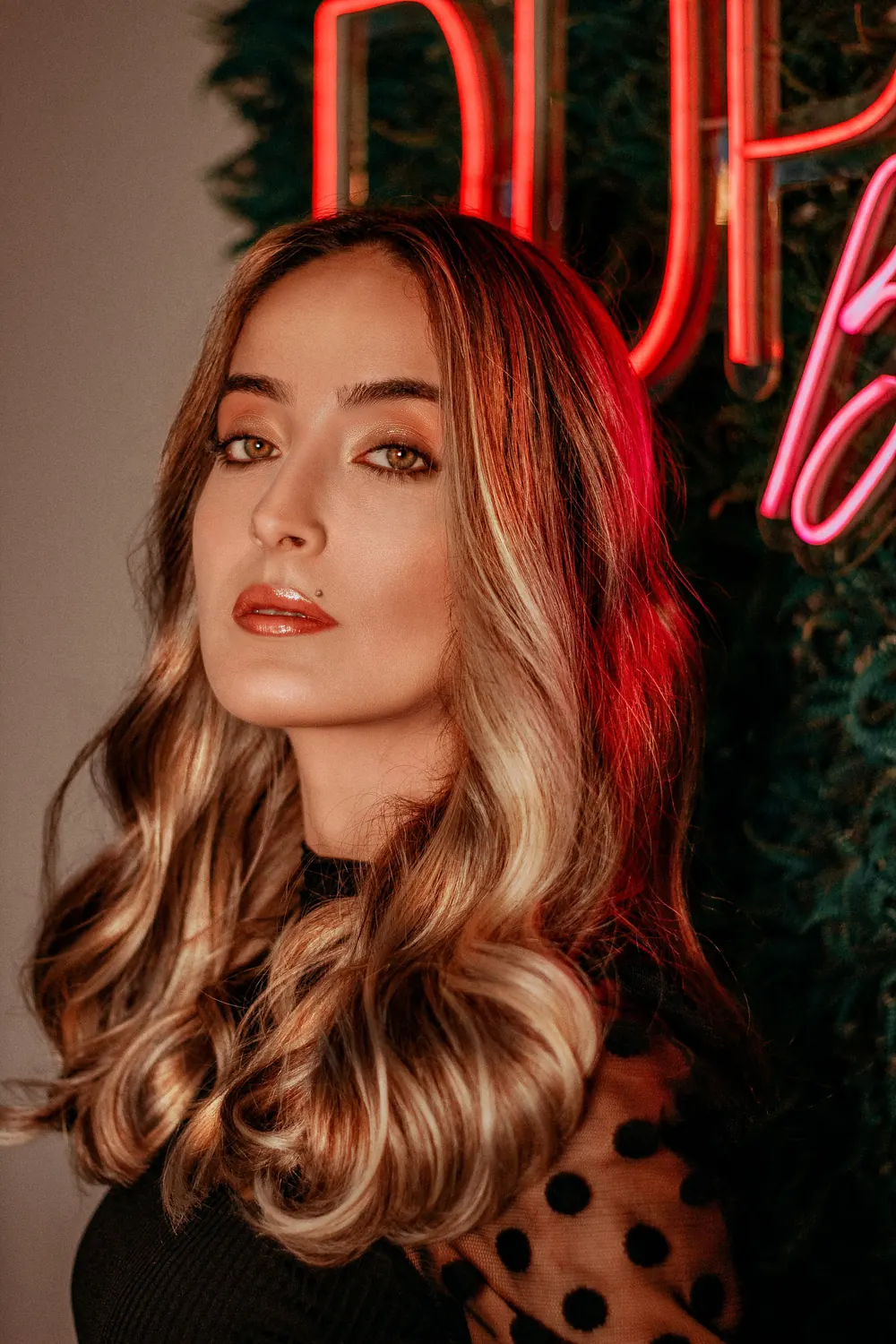
The same colour looks very different depending on how it is placed.
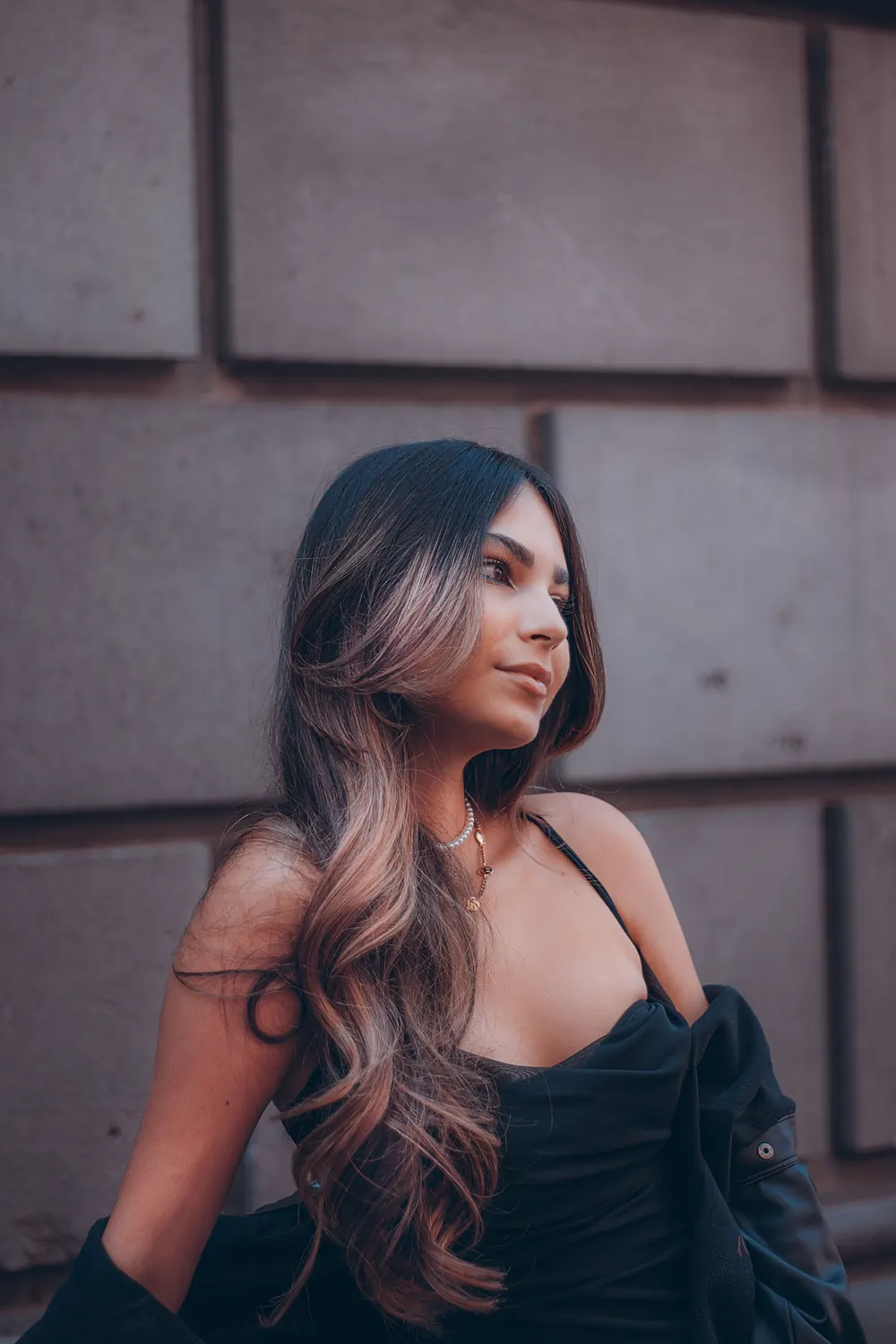
- Caramel balayage: hand-painted, softer at the root and brighter through the mid-lengths and ends. It grows out beautifully and suits long, wavy hair.
- Babylights: very fine highlights woven close together. They give an all-over glow and suit straight hair and shorter cuts.
- Face-framing highlights: brighter pieces around the hairline only. They lift the complexion and cost less to maintain.
- Chunky caramel highlights: bolder ribbons of colour, a slightly retro look. They are best on thick hair and need skilled blending.
- Lowlights plus highlights: caramel pieces mixed with darker strands for depth. They are great if your hair looks flat after previous lightening.
What to ask your colourist
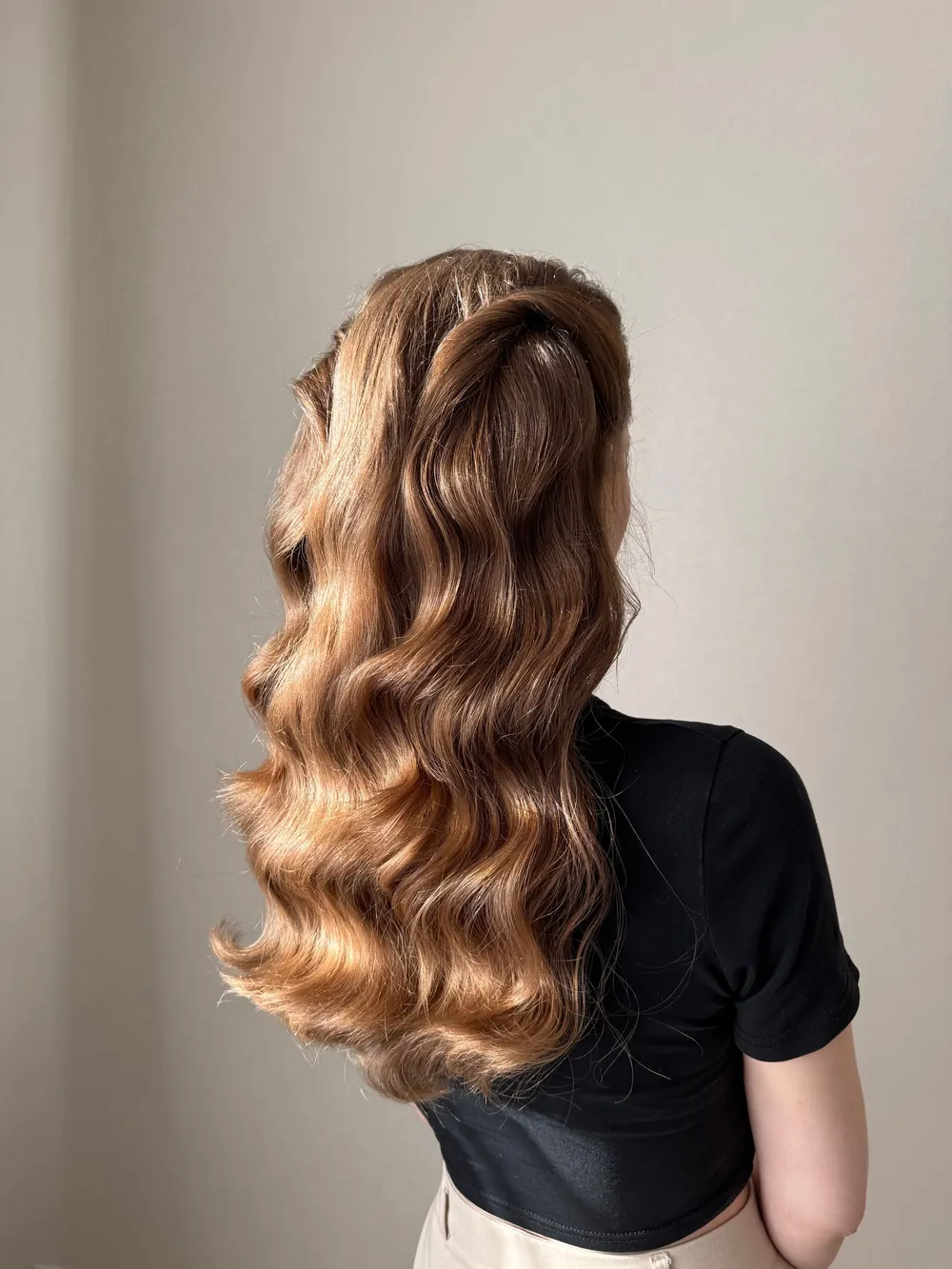
Bring photos of caramel highlights on hair similar to yours in colour, texture and length. A photo of a light-brown model will not translate directly onto very dark hair. Then talk through:
- How light: "a soft caramel, about two levels lighter" is clearer than "not too blonde".
- Where: around the face, all over or mainly through the ends.
- Root: a soft, blended root (root smudge) means fewer appointments.
- Tone: golden caramel, honey caramel or beige caramel.
- Upkeep: how often you can realistically return. Balayage might need a refresh every three to four months, foils every eight to twelve weeks.
Always ask for a strand test if your hair is previously coloured, very dark or fragile.
Caramel highlights on different bases
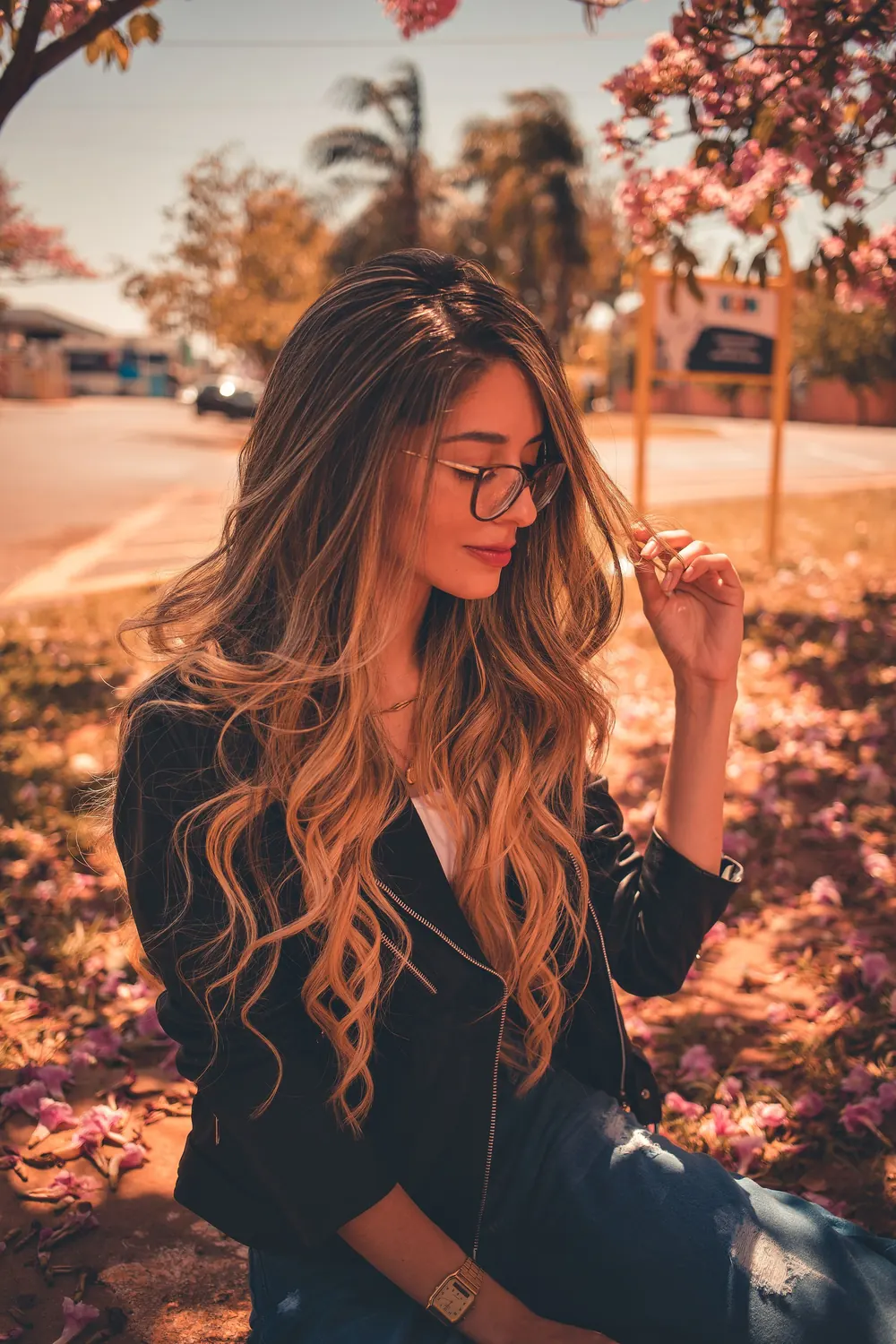
- Black and very dark brown hair: caramel creates gorgeous contrast, but lifting dark hair can reveal orange tones. A good toner and patience over two sessions often gives the best result.
- Medium brown hair: the easiest base. Caramel blends seamlessly and looks naturally sun-lightened.
- Light brown hair: caramel adds subtle warmth; ask for slightly darker lowlights too so the colour does not look flat.
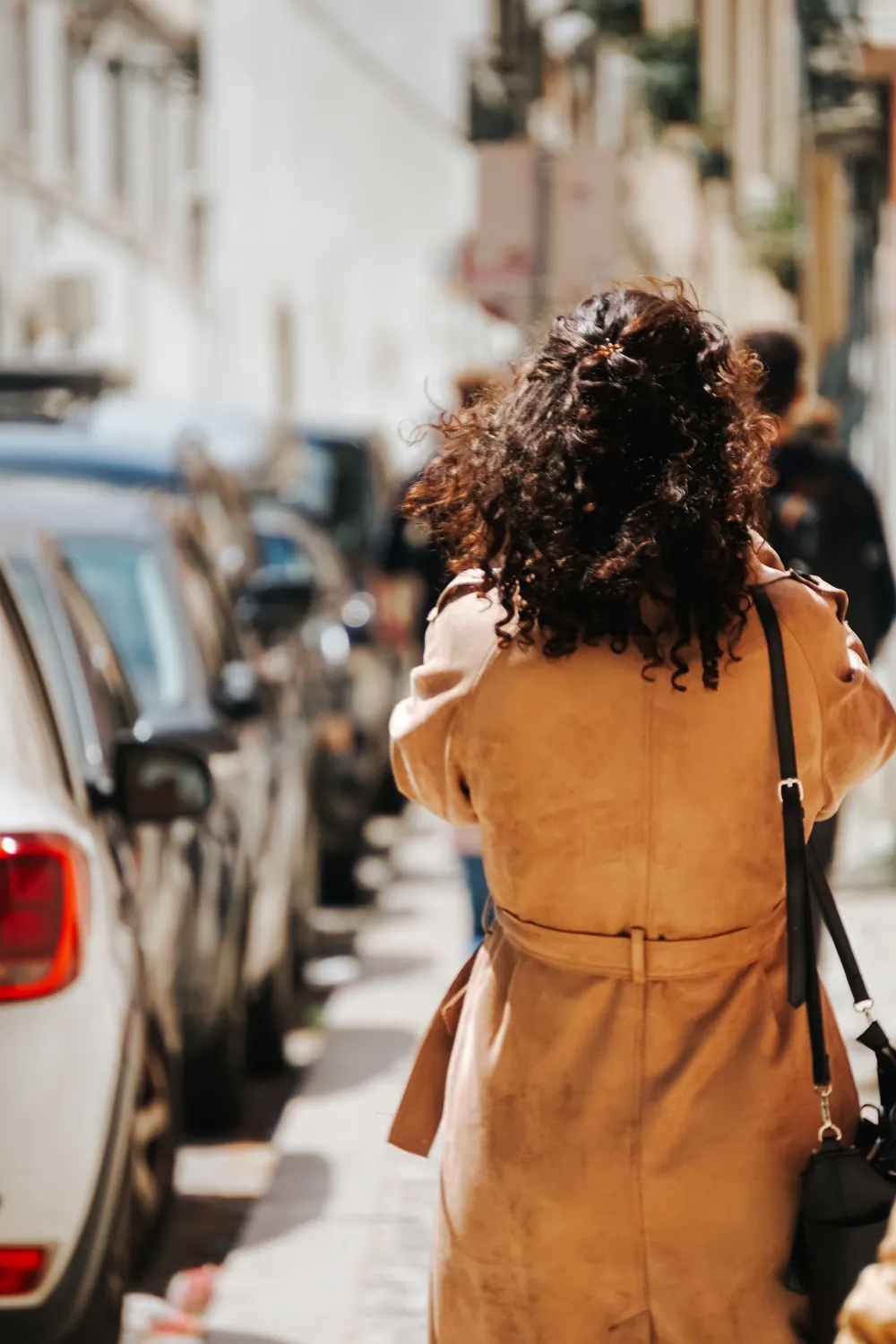
- Curly hair: ask for colour painted on dry, styled curls so the placement follows your curl pattern.
Keeping caramel from turning brassy
Lightened hair naturally reveals warm pigments, and over time, minerals, sun and heat push the colour more orange. To keep it golden rather than brassy:
- Wash with a sulphate-free shampoo and lukewarm water.
- Use a blue shampoo or mask every week or two. Blue cancels orange, which is the main issue with caramel tones; purple is for yellow and blonde.
- Book a gloss or toner between colour appointments to refresh the shade.
- Use heat protection before every blow-dry or iron.
- Wear a hat or a UV spray in strong sun, and rinse after swimming.
- Consider a shower filter if you live in a hard-water area.
Styling to show off highlights
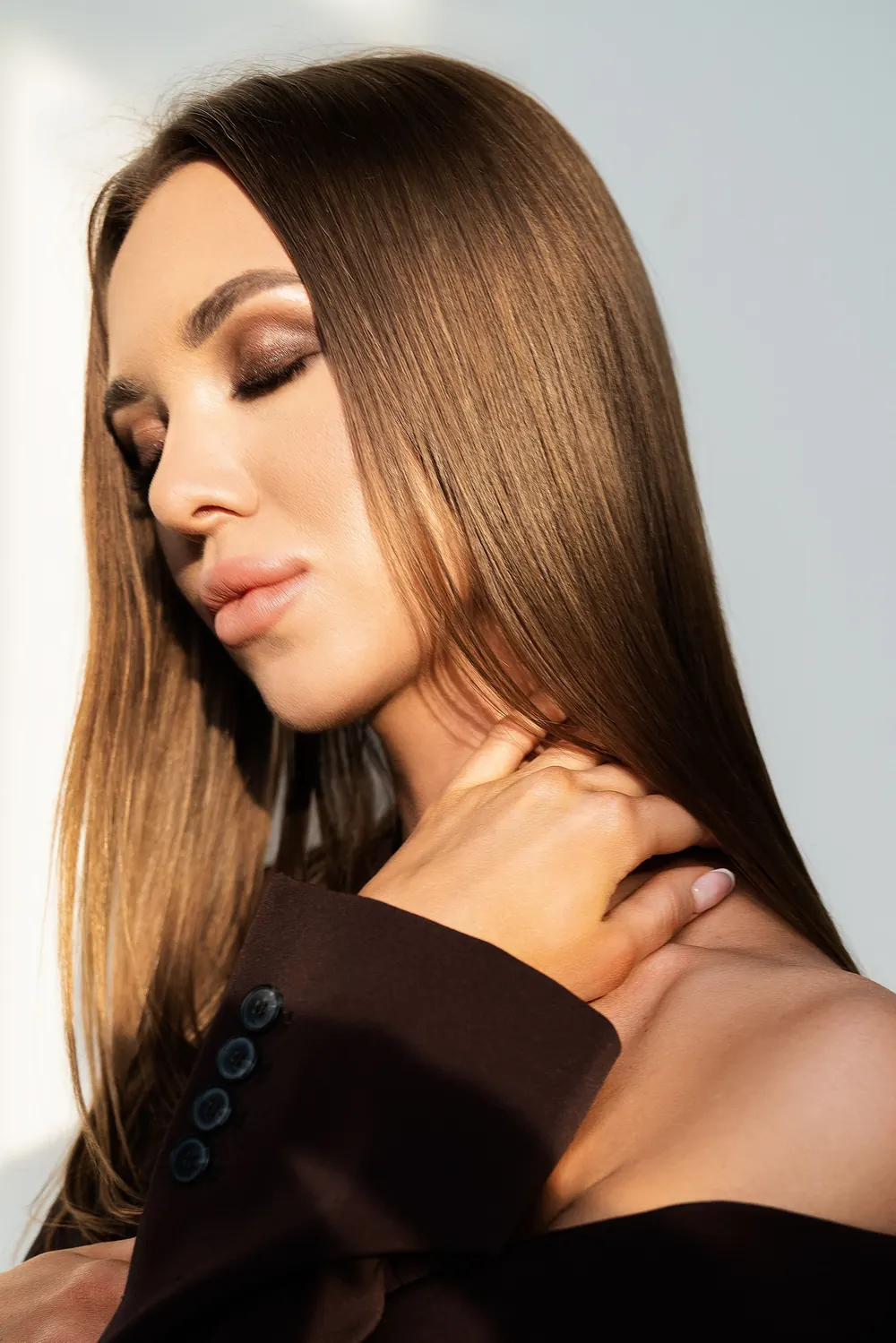
Dimension shows best with movement. Loose waves made with a large curling iron or a round-brush blow-dry make caramel ribbons catch the light. A glossing serum on the ends adds shine. Sleek straight styles work well with babylights, while balayage loves texture.
Cost and maintenance
Caramel highlights generally cost less to maintain than high-contrast blonde because the regrowth line is softer. Expect a full appointment of two to four hours for the first session, especially on dark hair, then shorter gloss or face-frame touch-ups in between.
Get the Style Journal Co letter
One thoughtful email a week with our newest guides and seasonal ideas. No spam, unsubscribe anytime.
FAQ
Do caramel highlights damage hair?
Any lightening alters the hair, but caramel needs less lift than blonde, so it is gentler. Use a bond-building treatment and good aftercare.
Can I get caramel highlights on black hair?
Yes. It may take two sessions to lift cleanly and tone away orange, but the contrast on black hair is beautiful.
How long do caramel highlights last?
The lightened strands are permanent until cut, but the tone fades. Most people refresh with a gloss every six to eight weeks.
Caramel or honey highlights?
Caramel is deeper and warmer, honey is lighter and more golden. Caramel suits darker bases; honey suits light brown and dark blonde.
Save this guide for later — this image is sized for pinning.
Some posts may contain affiliate links; see our disclosure. Photography: TONI&GUY PONDICHERRY; murat esibatir; Daniel Rocha; daria; Breno Cardoso; FranDany; Юлиана Маринина; Trần Long; Mohammed-Ali Hamadache; Gustavo Denuncio; Trần Long; Daniel Rocha; KAWENY DENYELE via Pexels.