Vintage Hairstyles: Finger Waves, Victory Rolls, Pin Curls and Beehives Decade by Decade
Vintage hairstyles decade by decade, from 1920s finger waves and 1940s victory rolls to 1950s pin curls, 1960s beehives and 1970s feathered hair, with how to recreate each look with modern tools, which suit your hair type, and how to wear retro hair without looking like a costume.
Every decade of the twentieth century had a signature silhouette, and each one was shaped by what was happening in women's lives: war, work, wealth, rebellion. That is part of why vintage hairstyles feel so evocative, and why they keep returning on red carpets, at weddings and in holiday party photos. A set of 1940s victory rolls or a glossy 1950s pin-curl set says something about the wearer in a way a messy bun rarely does. The trick to wearing them now is understanding what made each look work, then adapting the method to modern hair and modern tools.
The 1920s: finger waves and the bob
The Jazz Age gave us the first truly short haircuts for women. Bobs were cut to the jaw or shorter and styled close to the head with finger waves, S-shaped ridges sculpted into wet hair with setting lotion, fingers and a comb, then left to dry. The effect is glossy, flat and almost liquid.
How to recreate it today: Apply a strong-hold gel or a dedicated setting lotion to damp hair, part deeply on one side, and use a comb to push hair forward and back in alternating ridges, pinching each crest with long duck-bill clips. Let it dry fully, or sit under a hood dryer, before removing the clips. A faux bob, tucking longer hair under at the nape, gives the same look without cutting.
Best for: short, straight or slightly wavy hair. Very curly hair can create a beautiful textured version with defined waves.
The 1930s: soft sculpted waves
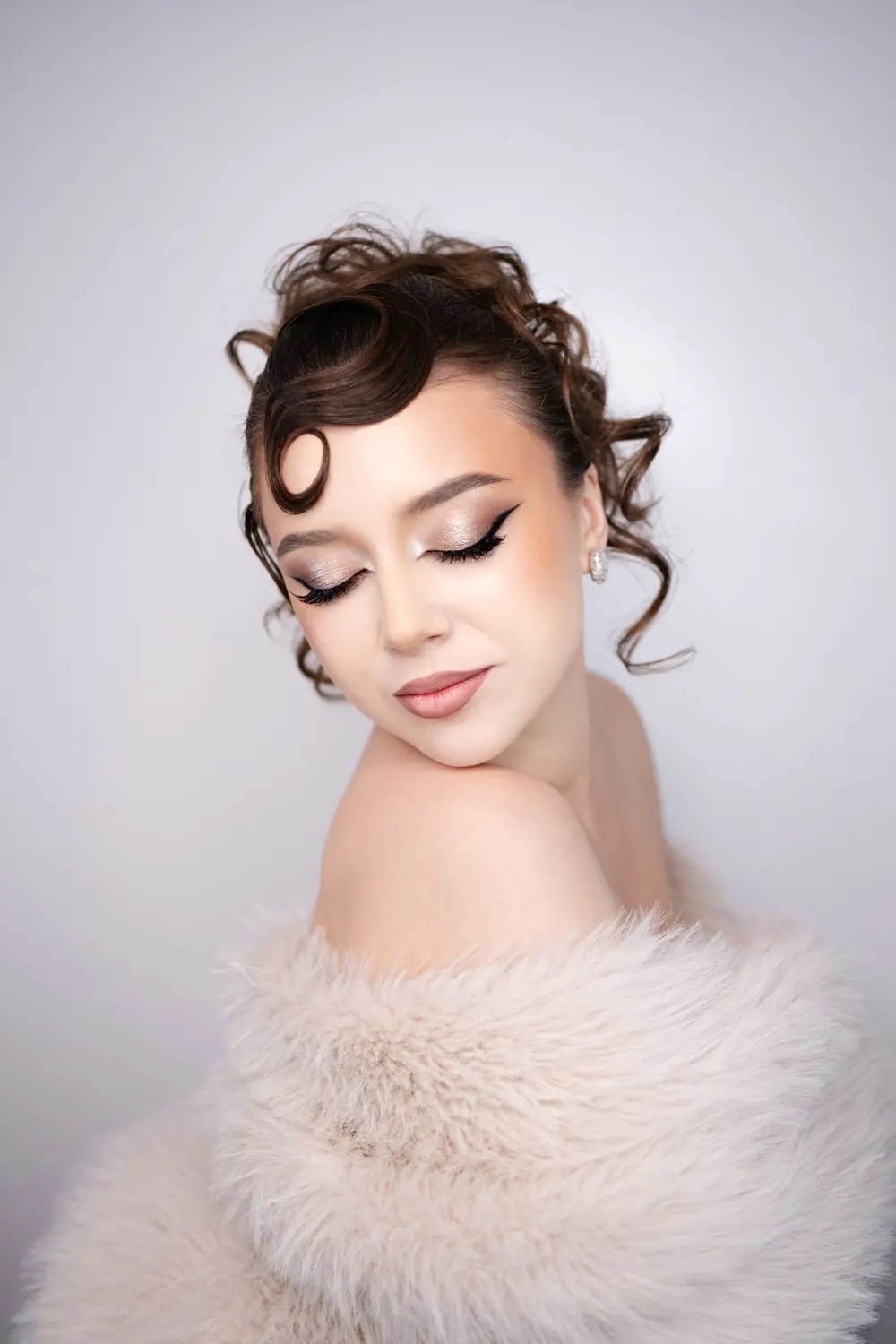
Hollywood glamour softened the twenties' sleekness. Hair grew to the shoulders and was set in soft, brushed-out waves with curls at the ends, often with a side part. This is the era of Jean Harlow and the platinum wave.
How to recreate it: Set hair in pin curls or with a small-barrel curling iron, all curled in the same direction, then brush through gently with a boar-bristle brush to merge the curls into waves. Pin the waves with clips for ten minutes and spray before removing.
The 1940s: victory rolls and pompadours
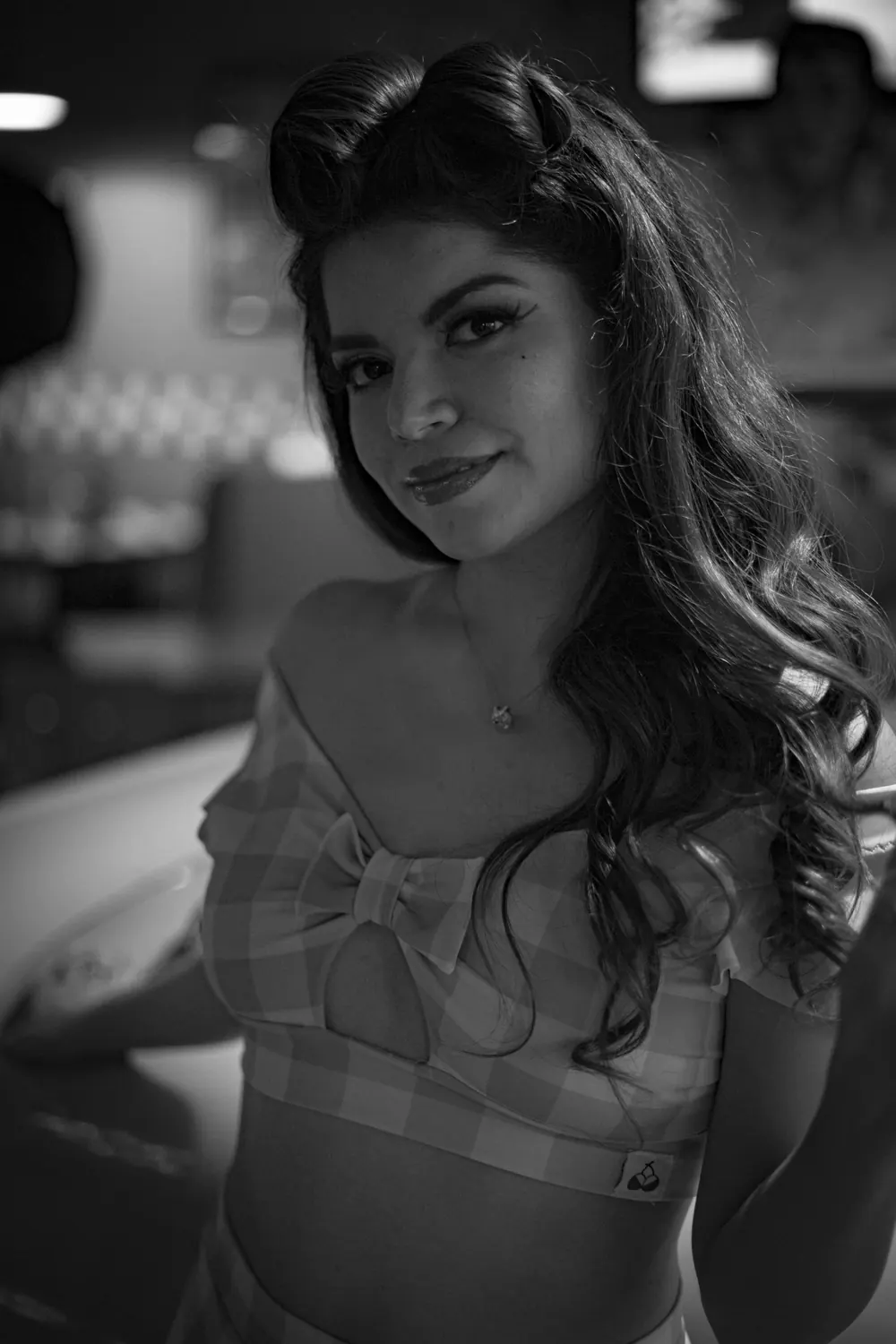
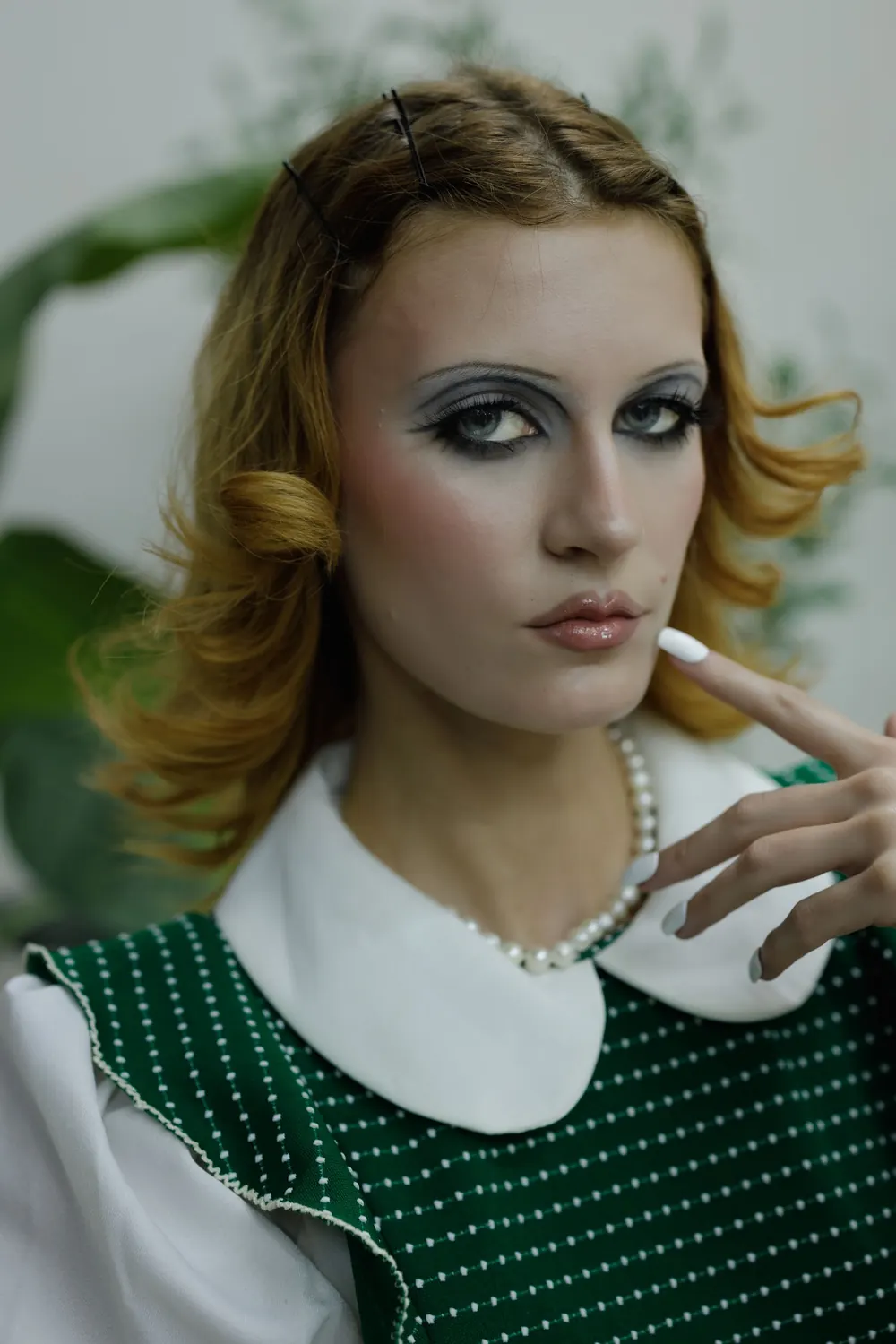
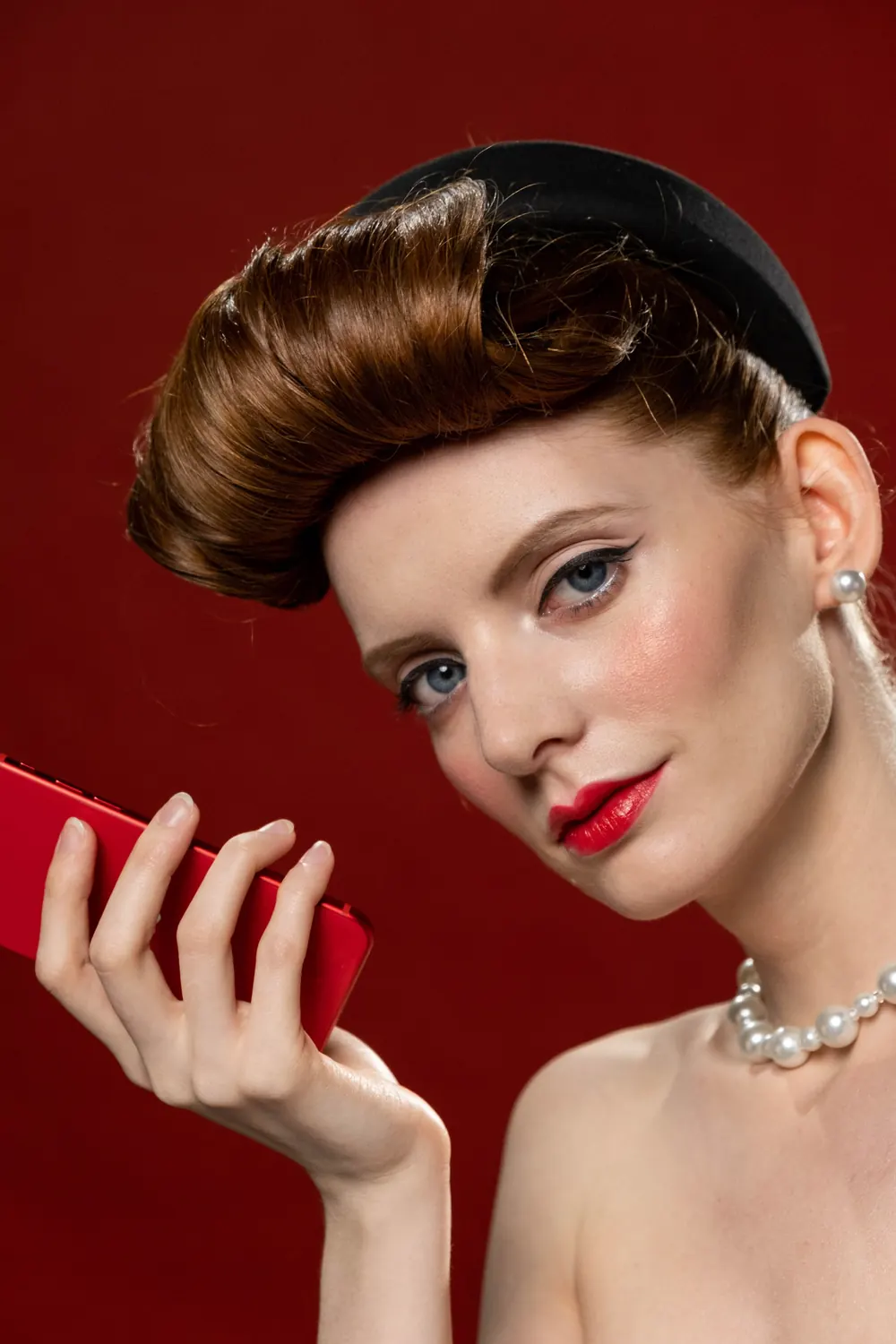
Wartime brought practicality and patriotism. Women working in factories needed hair kept off the face, so they rolled it. Victory rolls, two symmetrical rolls on either side of the parting, became the defining look, often paired with a snood or headscarf for work. The back was left in curls or tucked into a roll at the nape.
How to recreate victory rolls:
- Part hair at the side or centre and take a square section at the front on each side.
- Backcomb the base of each section for grip and height.
- Wrap the section around two fingers, rolling it toward the scalp.
- Slide your fingers out and pin the roll from inside with crisscrossed bobby pins.
- Repeat on the other side, then curl or roll the rest of the hair.
Best for: medium to long hair with some texture. Fine hair benefits from backcombing and texturising spray; thick hair needs extra pins.
The 1950s: pin curls, poodle cuts and ponytails
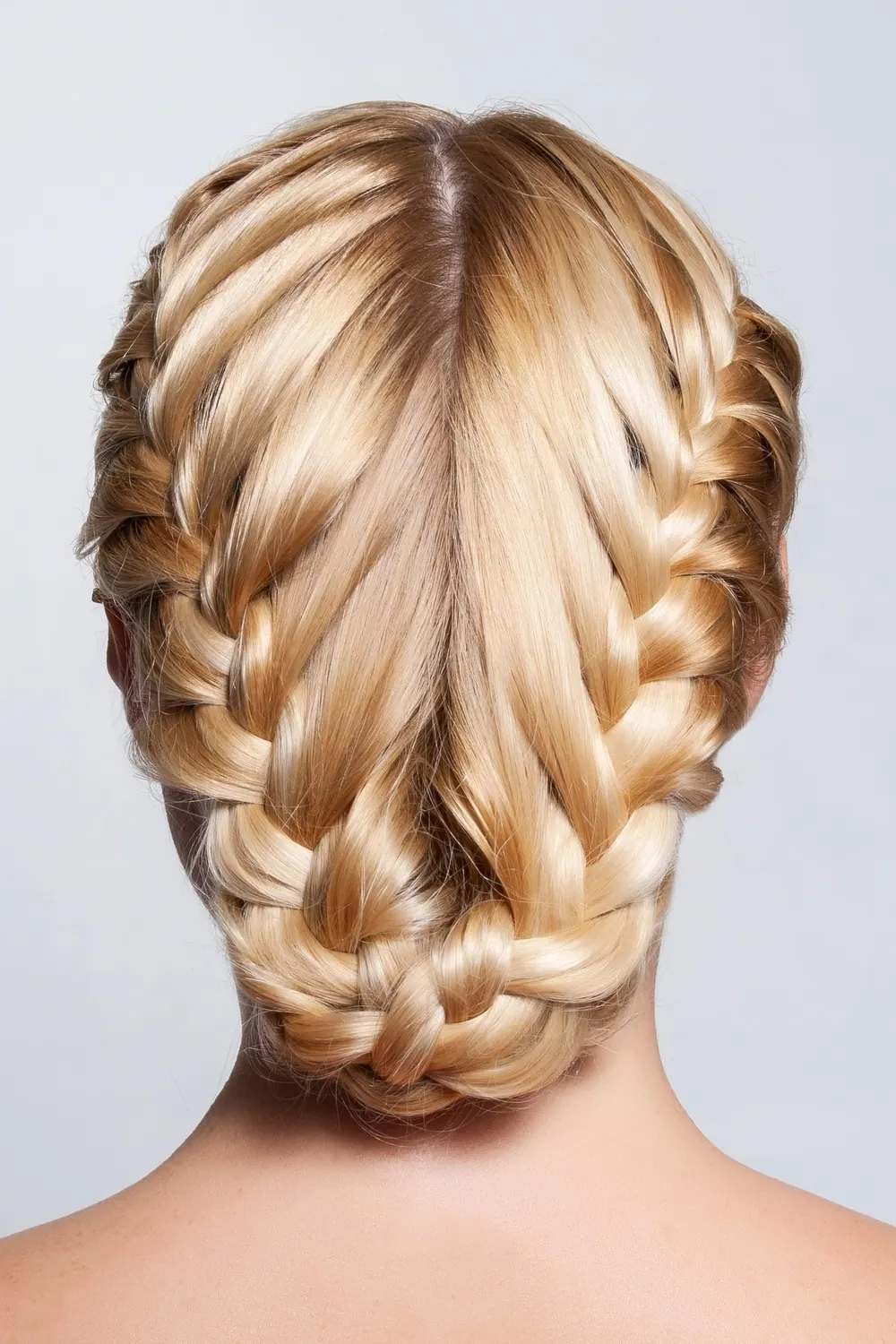
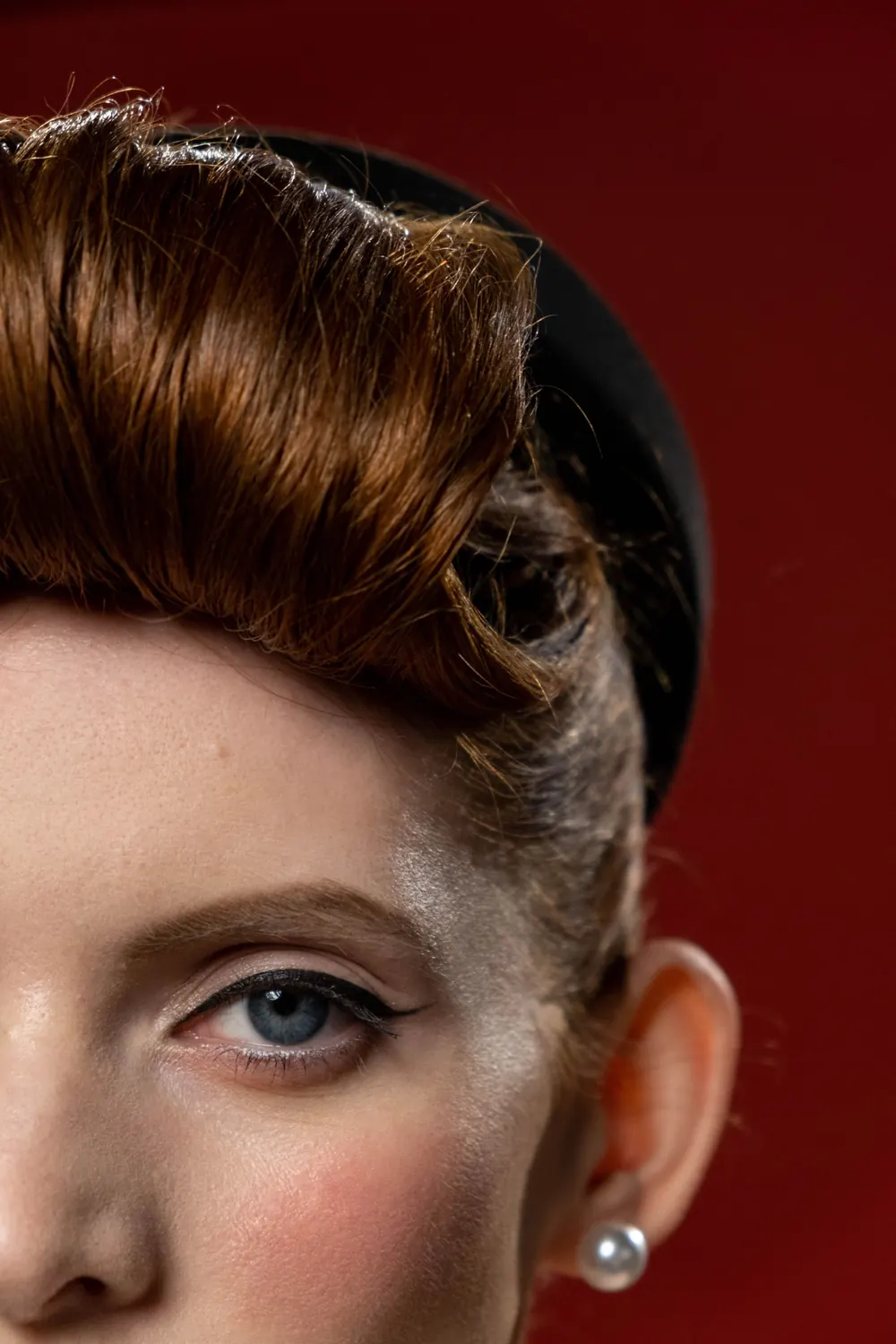
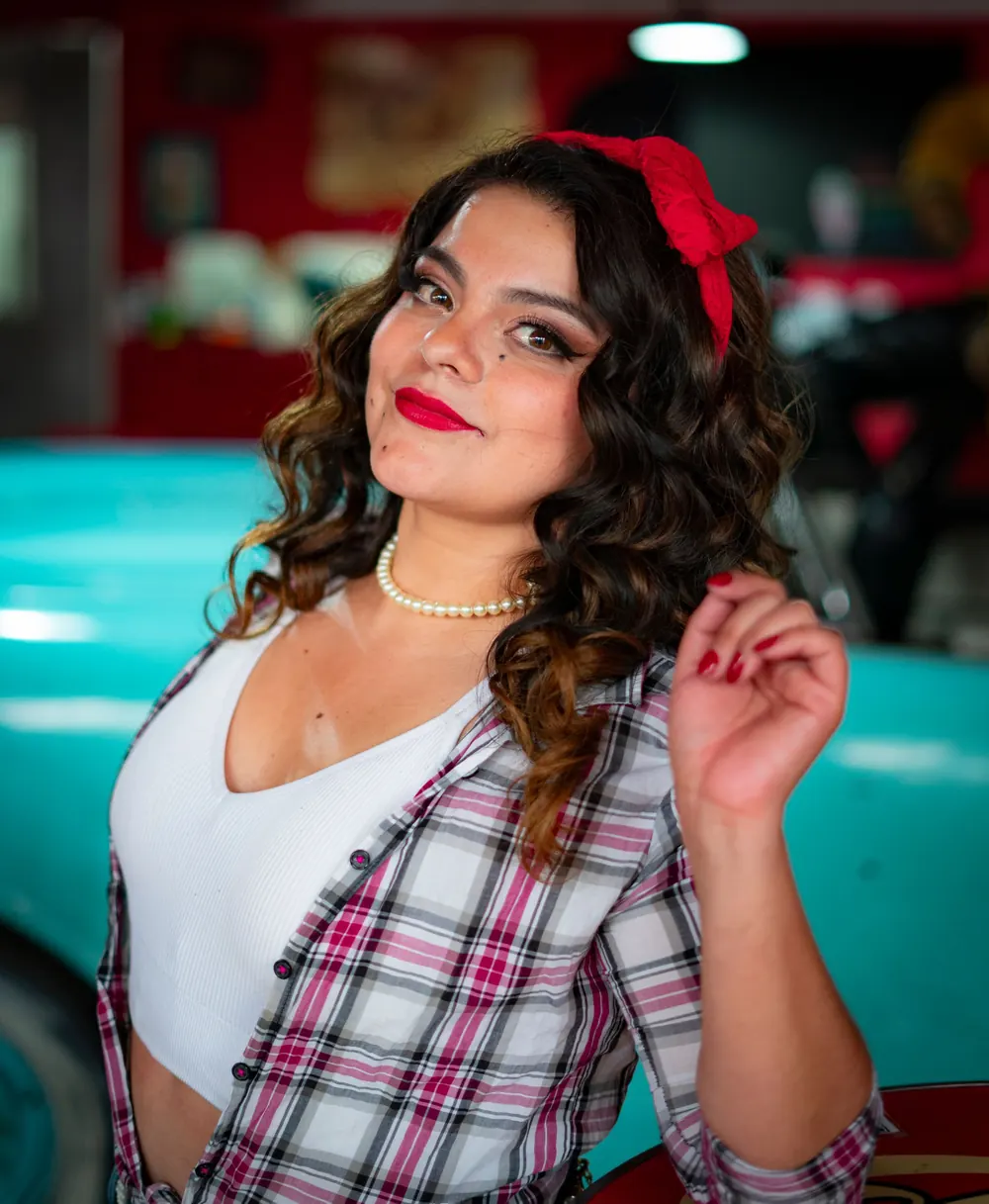
The fifties were about polish. Hair was set overnight in pin curls or rollers and brushed into structured, bouncy shapes. Shorter "poodle" cuts with tight curls, the bombshell set and the high ponytail with a chiffon scarf all belong to this era, as does the classic short fringe made famous by pin-up model Bettie Page.
How to set pin curls: On damp hair with setting lotion, take one-inch sections, wind each one flat around your finger into a coil, slide it off and pin it against the scalp with a clip. Sleep on it or dry it thoroughly, then remove the clips and brush the curls out. The more you brush, the softer the result. Modern heatless curling rods and flexi rods are a comfortable alternative for sleeping.
The 1960s: the beehive and the bouffant
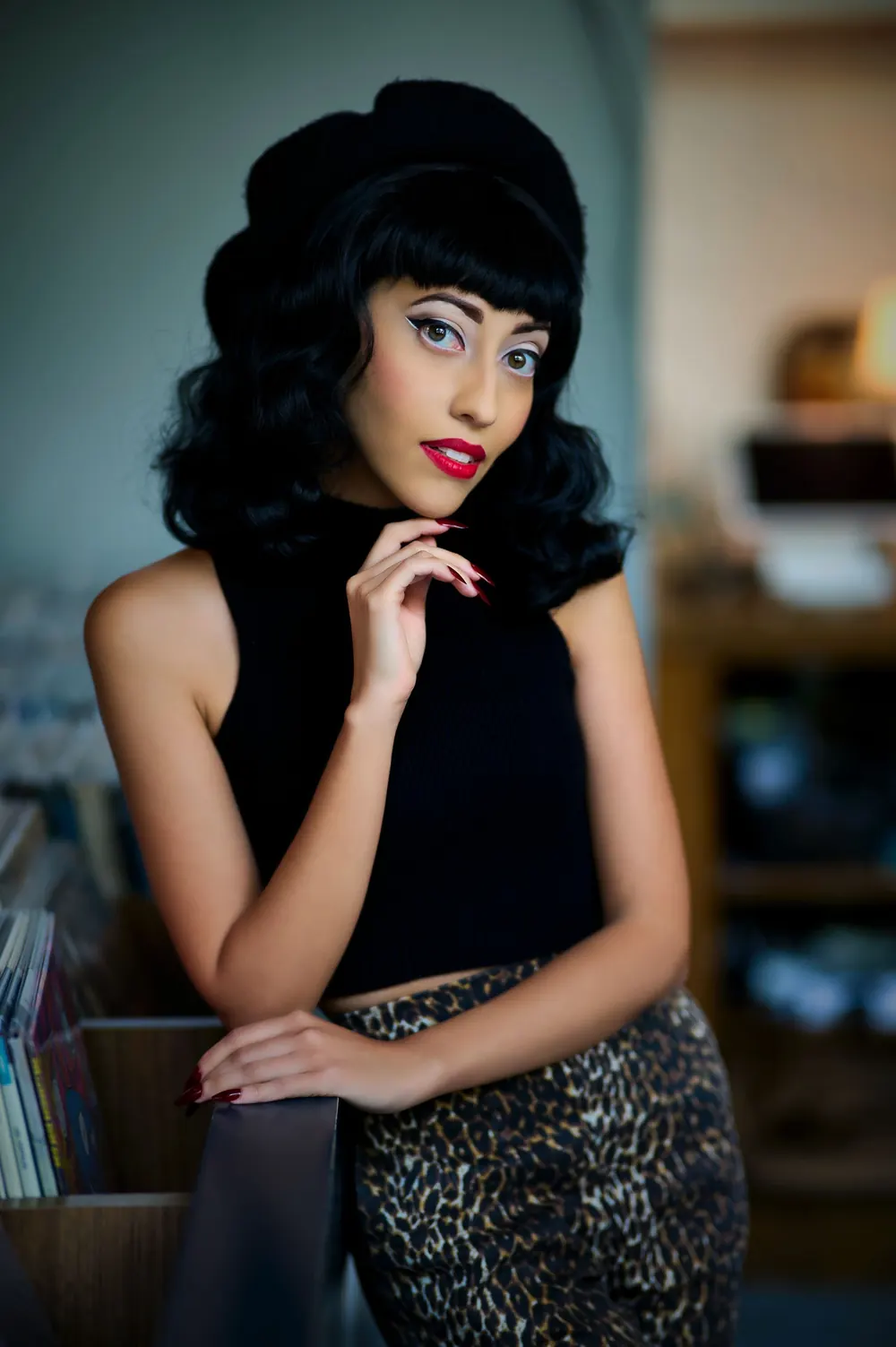
Height was everything. The beehive piled backcombed hair high on the crown and smoothed it into a dome, while the bouffant created a rounded volume with flicked-out ends. Later in the decade, Mod culture brought sharp geometric cuts like Vidal Sassoon's five-point bob, and long straight hair with heavy fringes.
How to recreate a modern beehive: Section off the front, backcomb the crown in layers, smooth the top gently with a brush, then gather the back into a twist and pin it up under the volume. A small foam pad or donut hidden under the crown section gives height with less teasing. Today's version is usually softer and less lacquered.
The 1970s: feathered layers and natural volume
The seventies relaxed everything. Feathered hair, layered and blow-dried away from the face, defined the decade, alongside long centre-parted hair, shags and voluminous afros worn with pride. These looks are back in a big way through curtain bangs and modern shag cuts.
How to recreate feathered hair: Ask for long layers that start around the cheekbones. Blow-dry with a round brush, directing each layer back and away from the face, then finish with a light curling iron flicked outward.
Choosing a vintage style for your hair
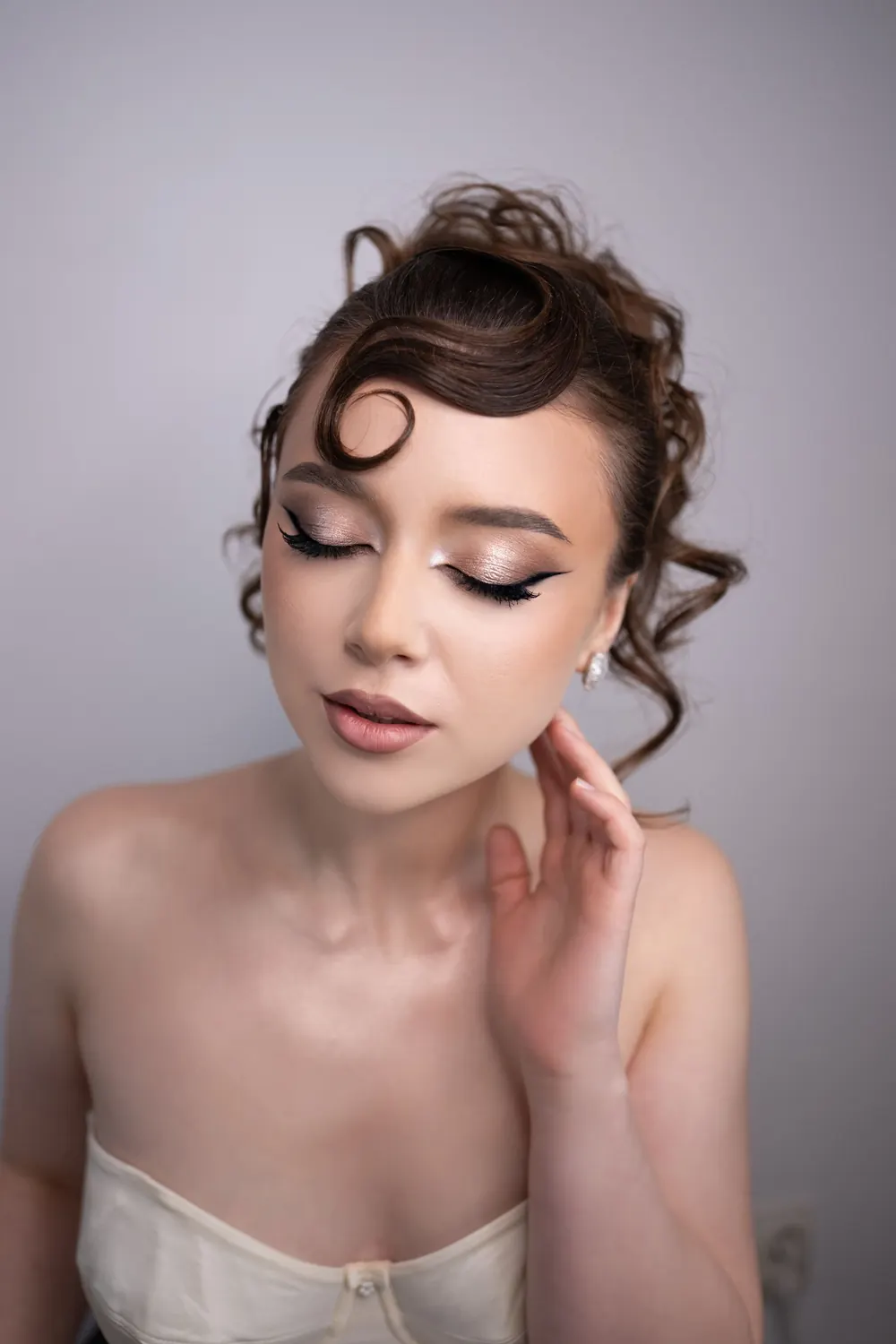
- Short hair: finger waves, a 1950s pin-curl crop, a 1960s Mod bob.
- Shoulder-length hair: 1930s waves, victory rolls, a bouffant flip.
- Long hair: 1940s rolls with curls at the back, 1950s ponytail with a scarf, 1970s feathering.
- Curly and coily hair: pin curls work naturally; a seventies afro or a sculpted updo with rolls is striking.
- Fine hair: prioritise sets with texture, like victory rolls with backcombing, over sleek finger waves that show the scalp.
Wearing vintage hair without the costume effect
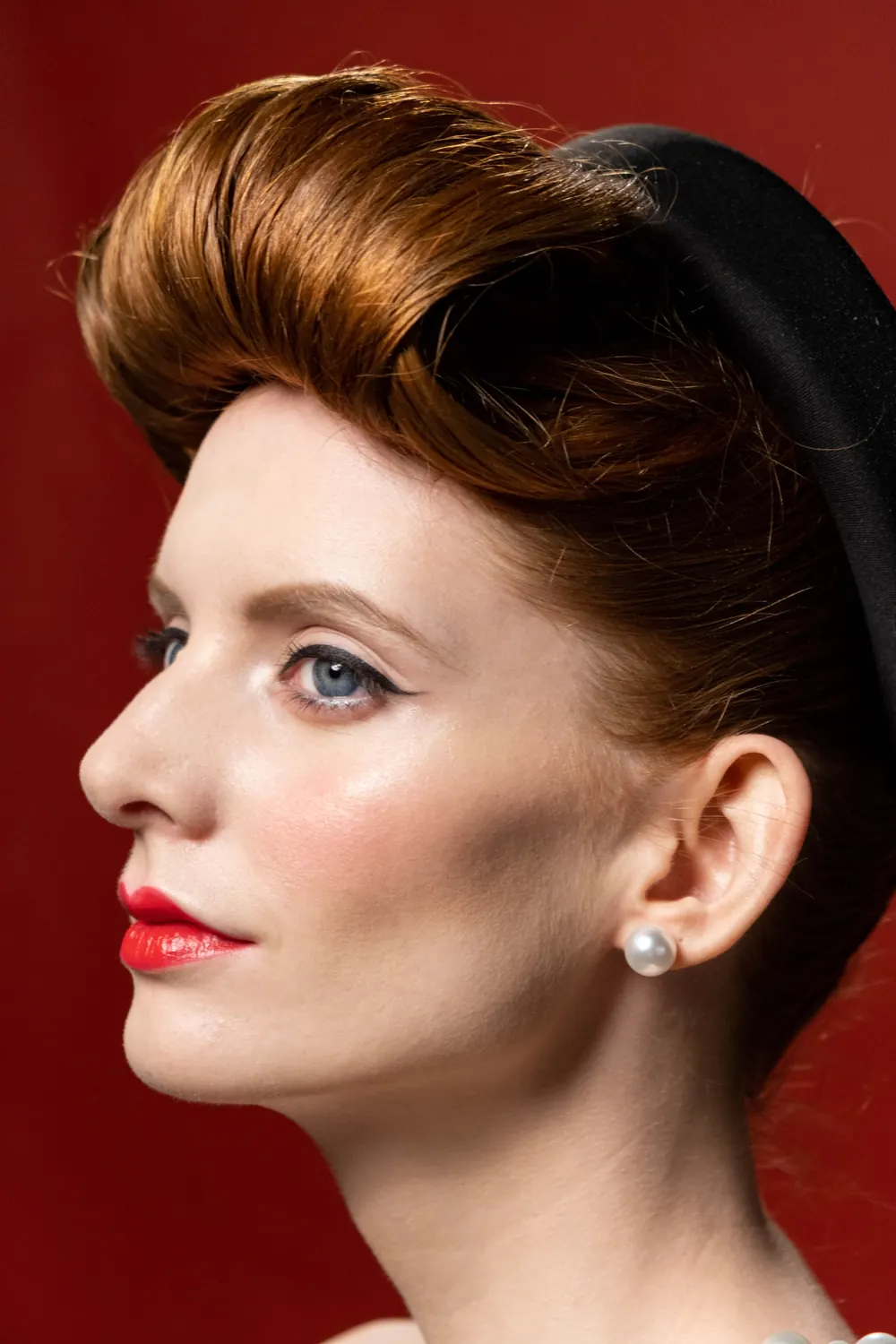
The difference between a retro look and fancy dress is usually the rest of the outfit. Pair one vintage element with modern clothes: victory rolls with a simple black knit and jeans, finger waves with a minimal slip dress, a sixties bouffant with a modern blazer. Keep makeup current, perhaps with one nod like a red lip or winged liner, rather than a full period face.
Tools that make it easier
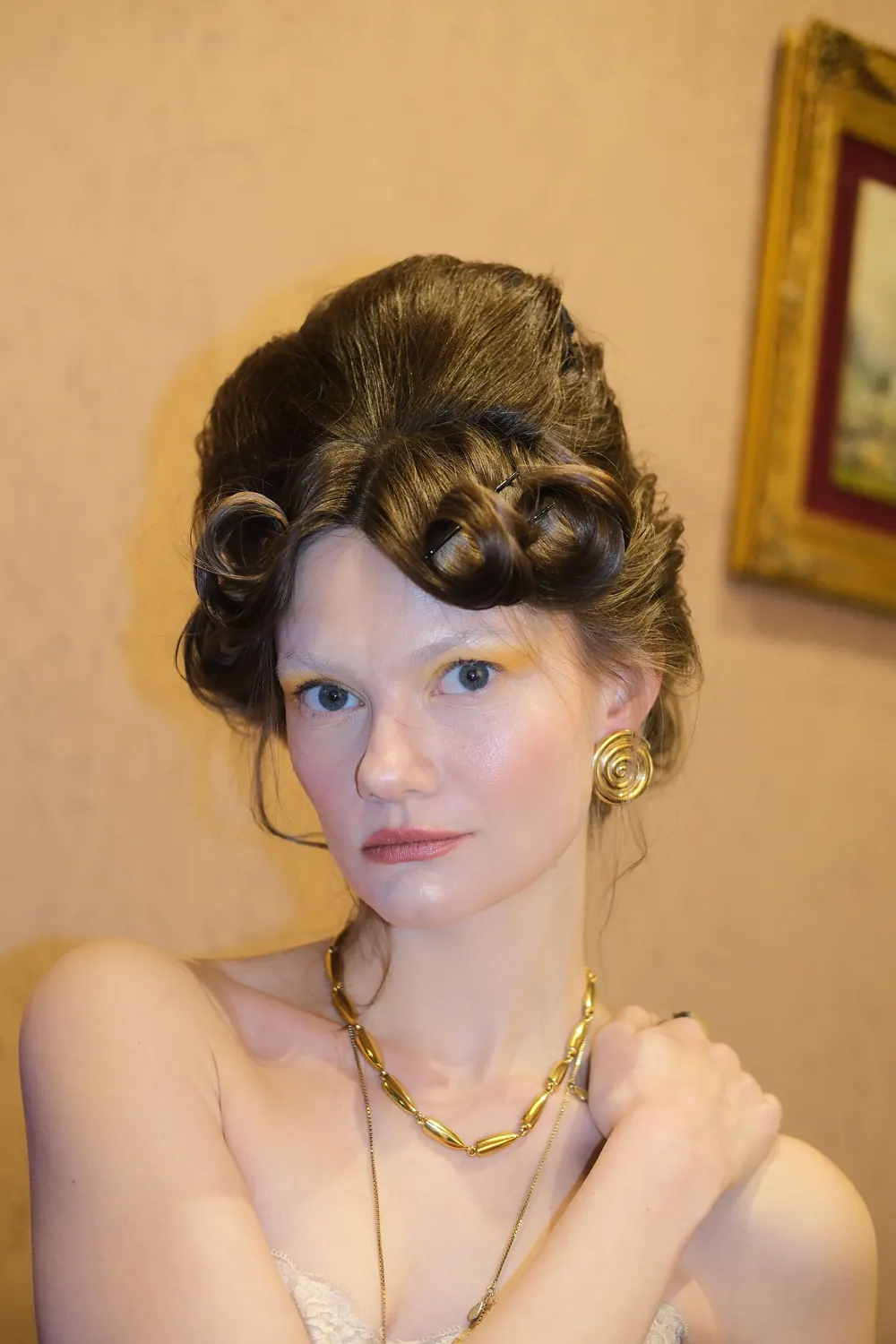
Setting lotion or mousse, duck-bill clips, bobby pins and hairpins, a rat-tail comb, a boar-bristle brush, a small-barrel curling iron, velcro or hot rollers, and a firm-hold hairspray will cover almost every style here. A satin pillowcase or headscarf helps overnight sets last into a second day.
A few answers before you try it
Do vintage hairstyles damage hair?
Not if you go easy on heat and backcombing. Brush teased hair out gently from the ends upward, and use heatless sets where you can.
How long does a pin-curl set last?
Usually one to two days, or longer if you wrap hair in a silk scarf at night and refresh with a little spray.
Which vintage hairstyle is easiest for a beginner?
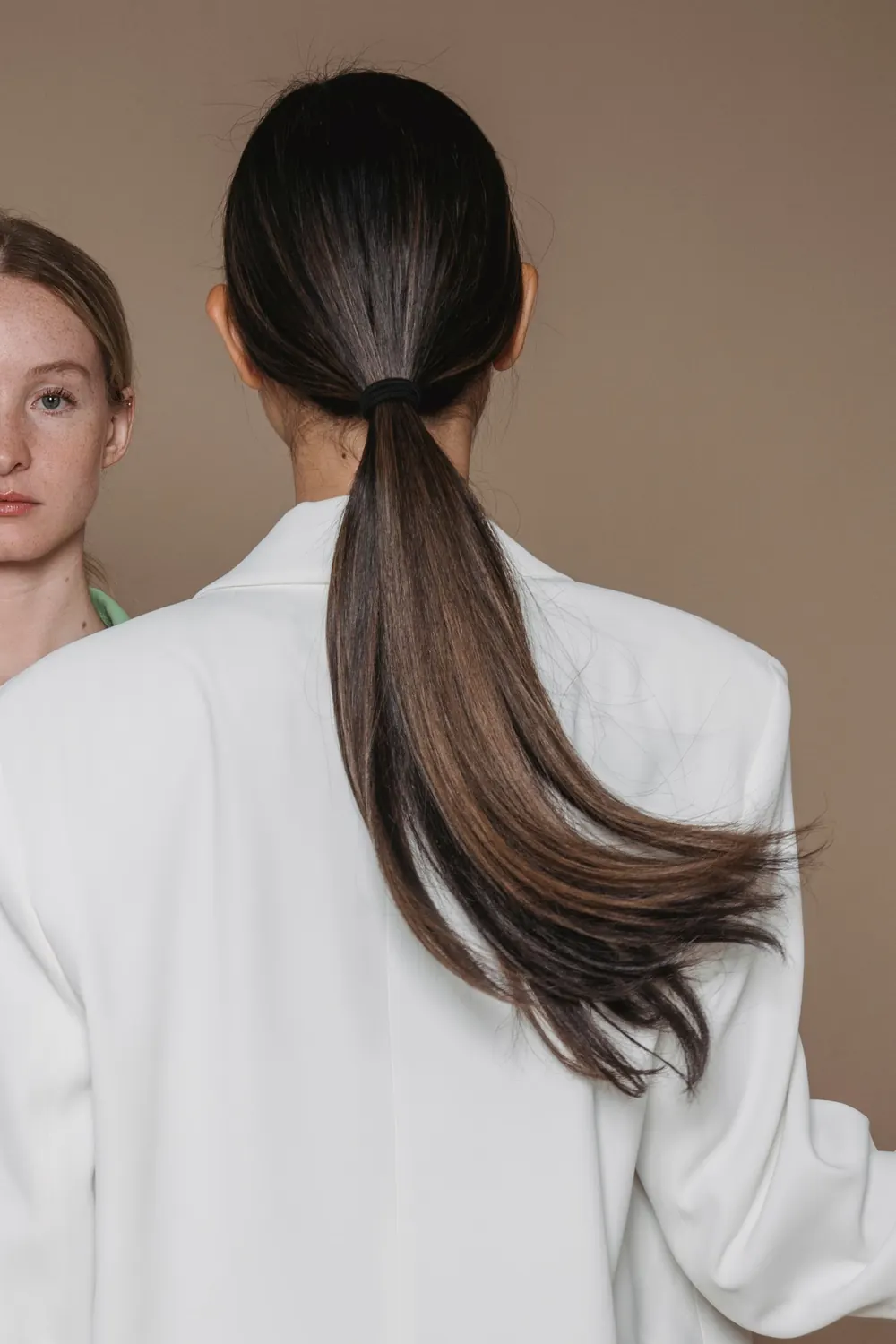
The 1950s ponytail with a scarf and soft bangs, or a single victory roll at the front with the rest worn loose.
The best vintage hair is not about historical accuracy. It is about borrowing a little of each decade's confidence and wearing it your way.
Get the Style Journal Co letter
One thoughtful email a week with our newest guides and seasonal ideas. No spam, unsubscribe anytime.
Save this guide for later — this image is sized for pinning.
Some posts may contain affiliate links; see our disclosure. Photography: Itzel Ponce de León; Monica Oprea; Ayumi Photo; cottonbro studio; Rob Ruth; Itzel Ponce de León; Monica Oprea; cottonbro studio; Zehra K.; cottonbro studio; Zehra K.; Ivan Aguilar; Mayara Caroline Mombelli; Itzel Ponce de León; Itzel Ponce de León; Kristina Polianskaia via Pexels.