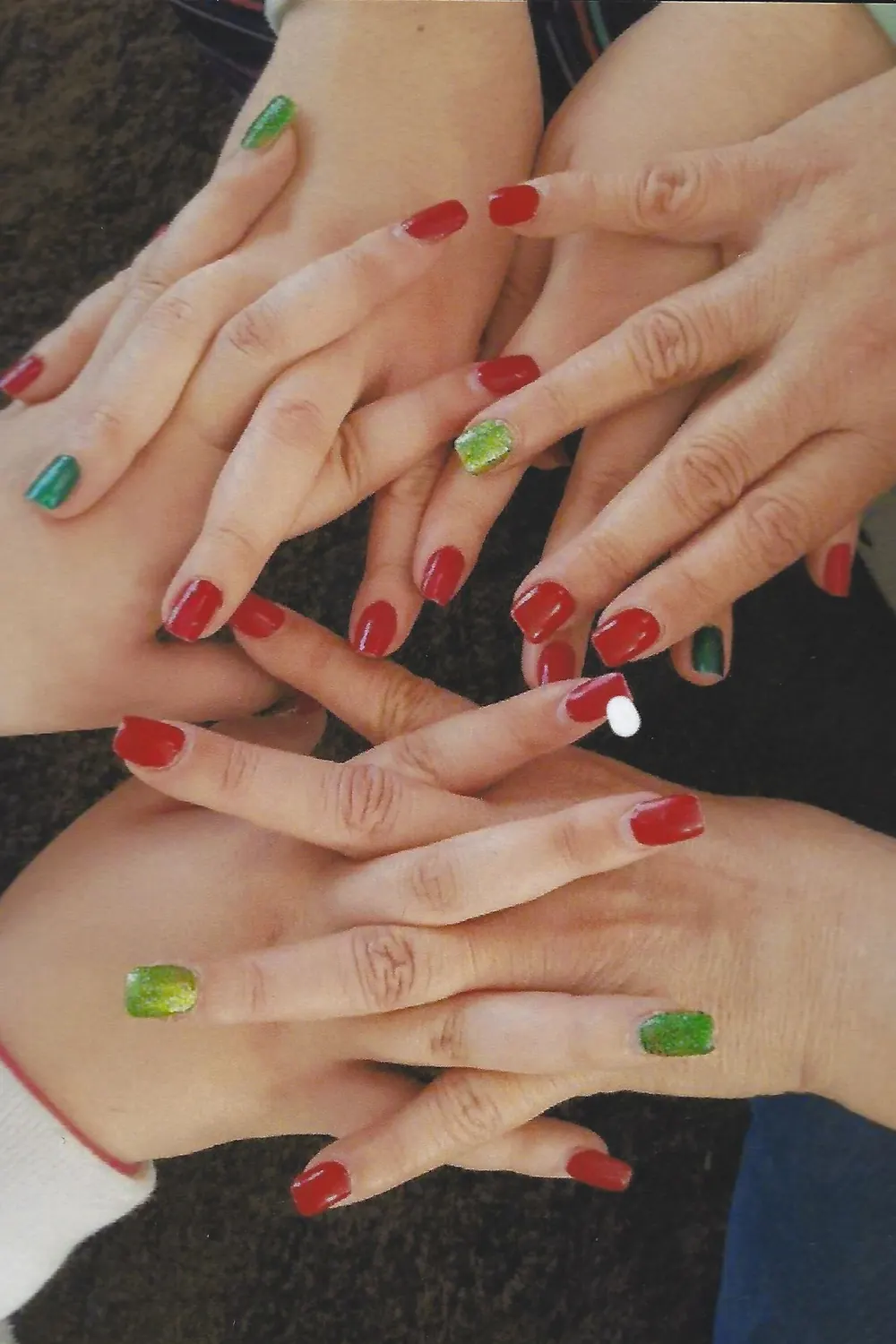
Square Nails: Shapes, Filing, Colours and Designs for a Crisp Manicure
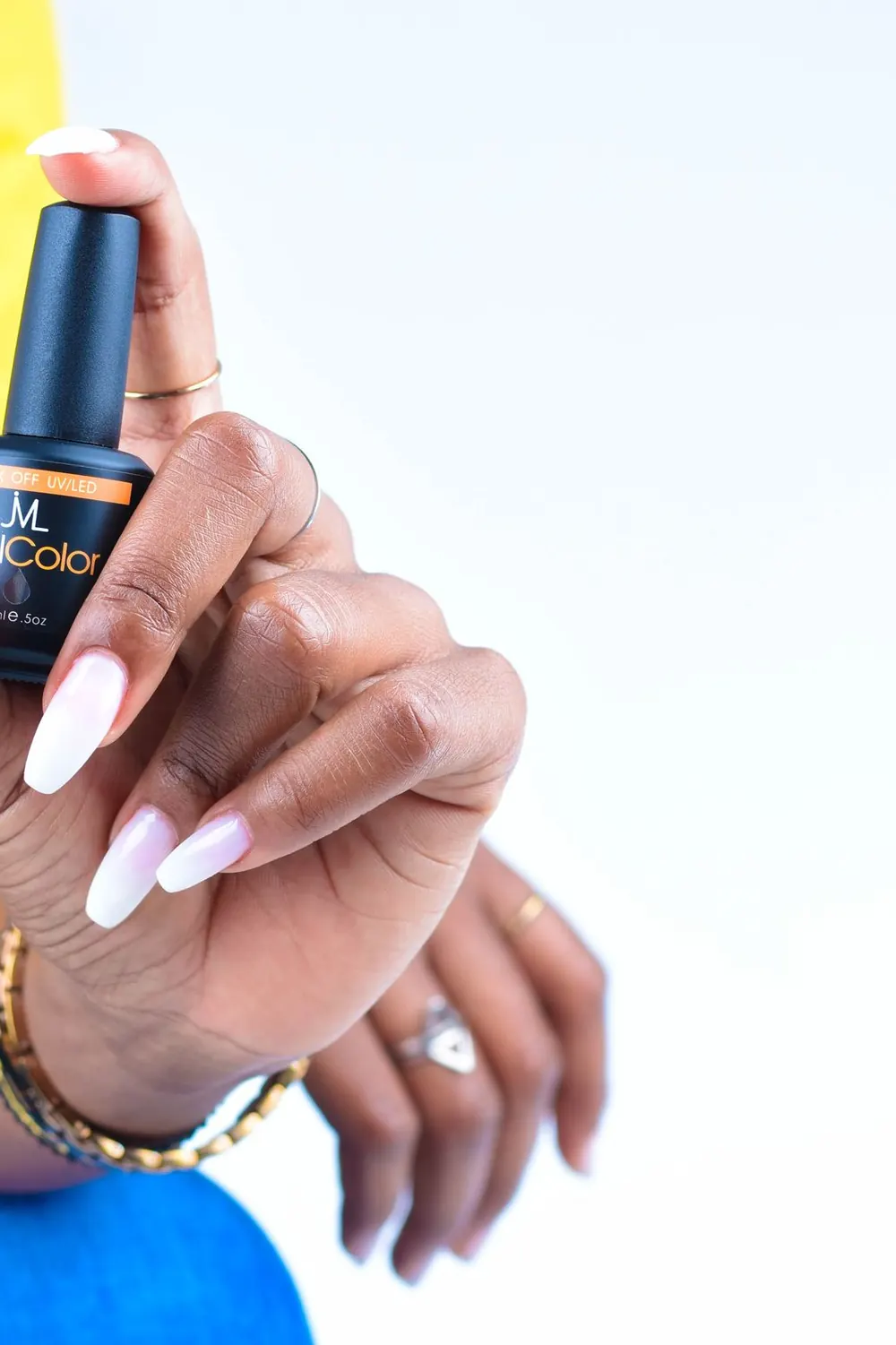
Square nails explained: the difference between square, squoval and tapered square shapes, who each one suits, how to file a crisp square at home, the best lengths and colours, and how to stop square corners chipping.
Square nails are clean, modern and surprisingly practical. The straight free edge and sharp corners look graphic and polished, and they make the perfect canvas for French tips, bold colour and nail art. Square is also one of the strongest shapes for natural nails because the full width of the tip supports itself. This guide explains the different square shapes, how to choose the right one for your hands, how to file it properly and which colours and designs look best.
The square nail family
There are several variations of the square shape, and choosing the right one makes a big difference.
- Classic square: straight sides, a flat free edge and sharp corners. Bold and graphic.
- Squoval: a square tip with softly rounded corners. The most wearable everyday version.
- Tapered square: the sides narrow slightly towards a flat tip, sometimes called a coffin-lite look.
- Short square: a neat, practical length that works for busy hands and work settings.
- Long square: usually created with acrylic or gel extensions for a dramatic finish.
Who suits square nails?
Square nails look best on long, slim nail beds and slender fingers, where the straight edge balances the length. On short or wide nail beds, a sharp square can make fingers look shorter. In that case, a squoval or a slightly longer length elongates the hand.
Lifestyle matters too. Square corners can catch on knitwear and pockets. If you type a lot, garden or work with your hands, choose a short squoval.
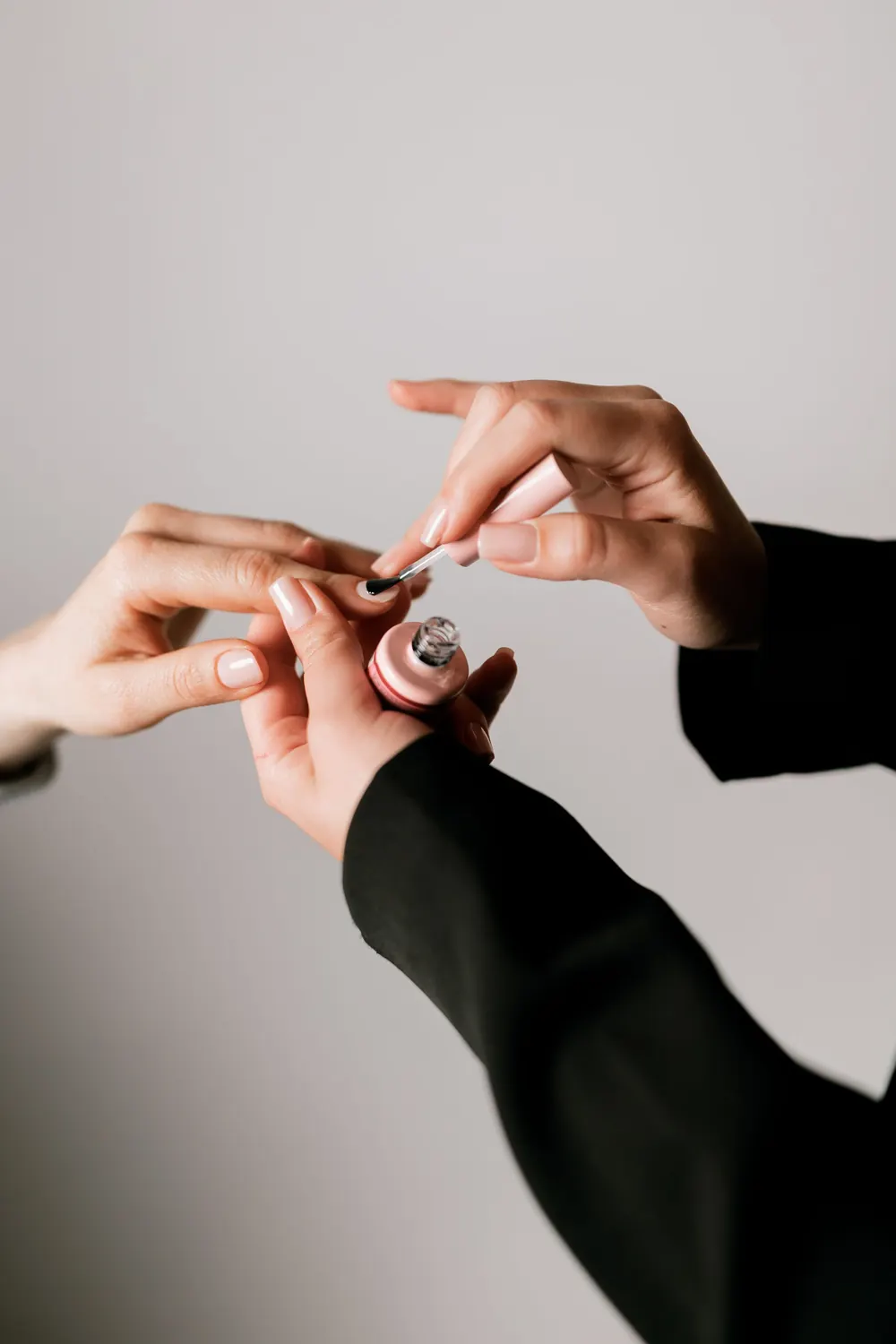
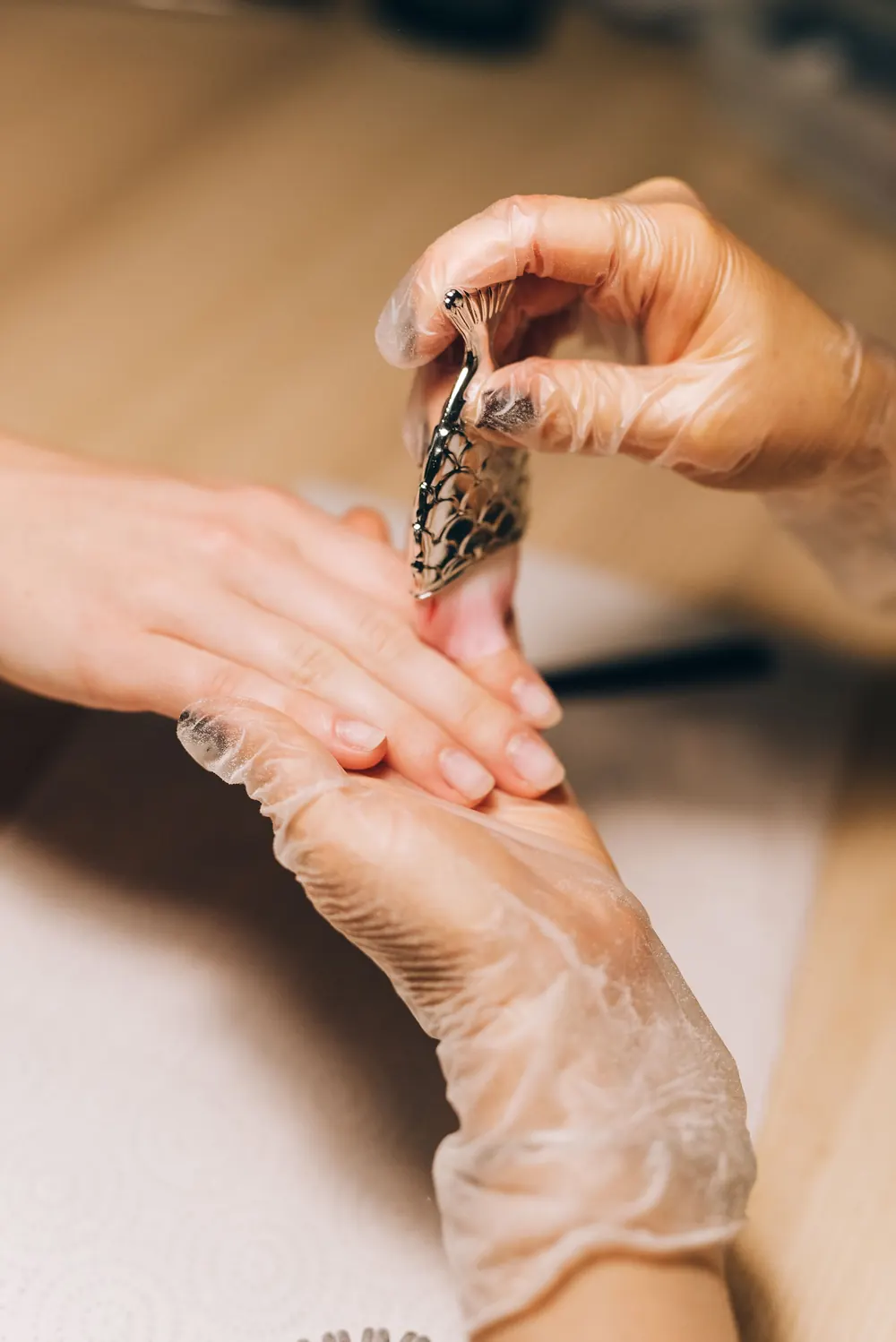
How to file square nails at home
A good file and patience are all you need.
- Start with clean, dry nails: filing wet nails can cause splitting.
- Use a fine-grit file: a 180 or 240 grit glass or crystal file is gentle on natural nails.
- File the free edge straight across: hold the file at a 90-degree angle to the nail and move in one direction.
- Shape the sides: file each side straight, parallel to the nail's natural side walls.
- Soften the corners if wanted: for a squoval, round the corners with one or two light strokes.
- Check from every angle: look straight down at the nail and from the side to make sure the edge is even.
- Buff and seal the edge: a light buff stops peeling, then apply a base coat.
Avoid sawing back and forth. It roughs up the edge and leads to peeling and breakage.
Best lengths for square nails
- Short: just past the fingertip. Clean, natural and very practical.
- Medium: two to four millimetres past the fingertip. The most popular length for colour and nail art.
- Long: dramatic and best done with extensions for strength.
Keep all ten nails the same length. Uneven lengths are more noticeable with a straight-edged shape.
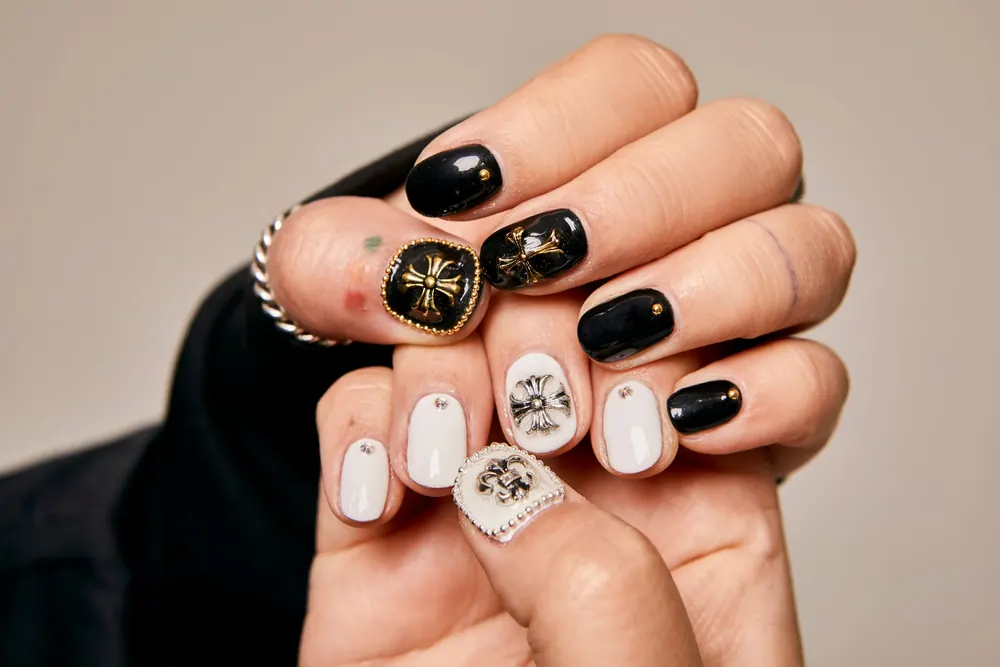
Colours that flatter square nails
Square nails show colour boldly because of their wide, flat tip.
- Nudes and sheer pinks: clean, elegant and work-friendly.
- Milky white: fresh and modern, especially on a squoval.
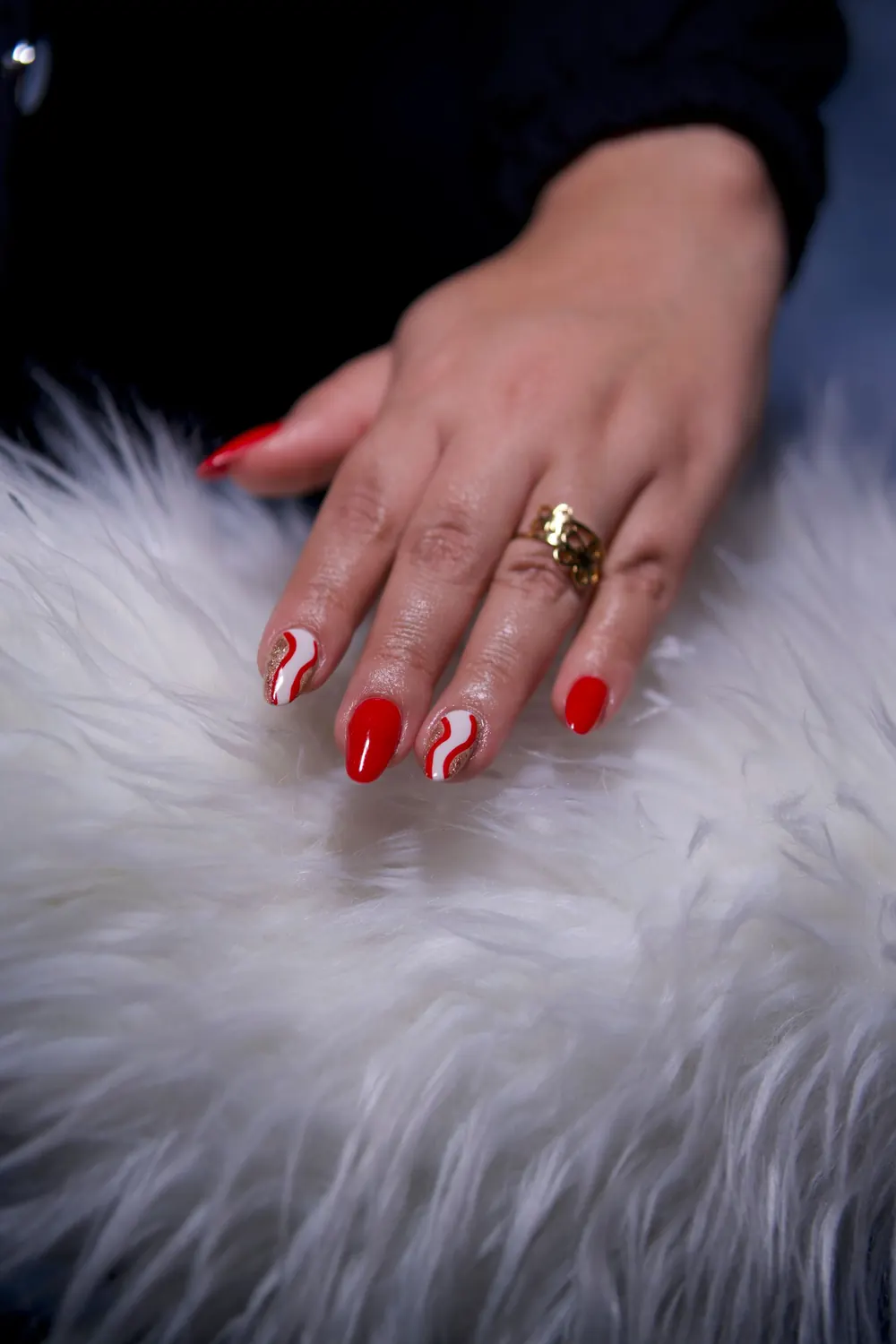
- Classic red: square and red is a timeless, polished pairing.
- Deep shades: burgundy, navy, forest green and chocolate for autumn and winter.
- Pastels: lilac, mint and baby blue for spring and summer.
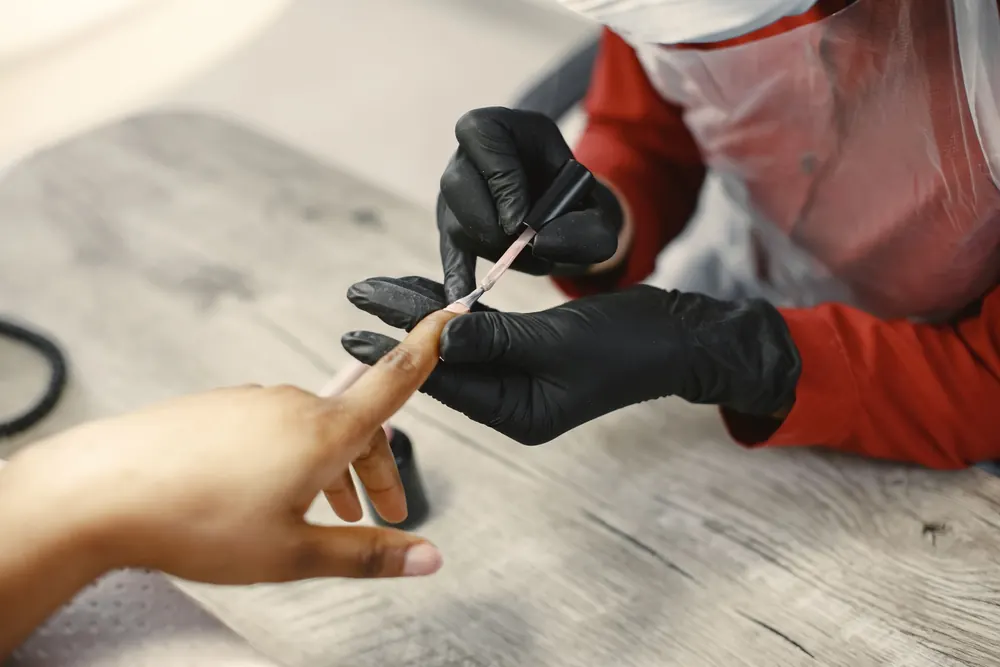
Designs for square nails
The straight edge is perfect for designs that rely on clean lines.
- Classic French tip: the flat free edge gives a crisp, even smile line.
- Micro French: a very thin tip line for a subtle, modern look.
- Colour block: two shades divided by a straight line or a diagonal.
- Chrome: pearl, silver or gold chrome catches light across the flat surface.
- Minimalist dots and lines: fine lines, tiny dots or a single gem near the cuticle.
- Ombre: a soft fade from nude to pink or white.
- Seasonal art: snowflakes, tiny hearts or stars on an accent nail.
Gel, acrylic or natural?
Natural square nails are possible if your nails are reasonably strong. A gel overlay or builder gel adds strength without length. For long square nails, acrylic or hard gel extensions provide structure and prevent the corners from snapping.
Keeping square nails strong
Corners are the weak point of a square nail, so care focuses on protecting them.
- Apply cuticle oil daily to keep nails flexible and less likely to crack.
- Wrap the tip by running polish or gel along the free edge to seal it.
- Wear gloves for washing up and cleaning.
- Use the pads of your fingers rather than your nails to open cans or press buttons.
- File any small chips straight away before they turn into breaks.
- Reshape every one to two weeks to keep the edge crisp.

Square versus other shapes
Compared with almond or oval nails, square nails look bolder and more modern but are slightly more prone to snagging. Compared with coffin nails, they are shorter, stronger and easier to maintain. A squoval sits between square and oval, which is why many technicians recommend it as the best everyday shape.
Common mistakes to avoid
- Filing at an angle: a tilted file creates uneven, sloping edges.
- Sharp corners on short nail beds: they can make fingers look stubby. Soften them.
- Too long without support: long natural square nails break easily.
- Skipping the edge seal: polish chips first at the free edge.
Square nails are clean, versatile and stylish at any length. Choose the variation that suits your hands, file with care and protect the corners, and they will look crisp and polished from one manicure to the next.
Get the Style Journal Co letter
One thoughtful email a week with our newest guides and seasonal ideas. No spam, unsubscribe anytime.
Save this guide for later — this image is sized for pinning.
Some posts may contain affiliate links; see our disclosure. Photography: kajanja brand; Leeloo The First; Alexander Mass; cottonbro studio; honggyu kim; Gustavo Fring; locrifa; Helena Jankovičová Kováčová; Alena Evseenko; Salim Da; Salim Da; Salim Da; Salim Da via Pexels.