Pink Hair Color: Shades, How Colourists Create It and How to Stop It Fading
Pink hair color explained: pastel, rose gold, hot pink and dusty rose shades, how to choose one for your skin tone, how colourists lighten and tone for pink, at-home semi-permanent options and how to stop pink fading fast.
Pink hair has moved far beyond a festival trend. Today it ranges from soft pastel blush and rose gold to dusty mauve, bright fuchsia and subtle pink tips on brunette hair. It is playful, flattering on many skin tones and surprisingly easy to adapt for work or everyday life when you pick the right shade. The catch is that pink is one of the fastest-fading colours there is, so it pays to understand how it is created and how to care for it. This guide covers everything you need to know before you book or buy.
Popular shades of pink hair
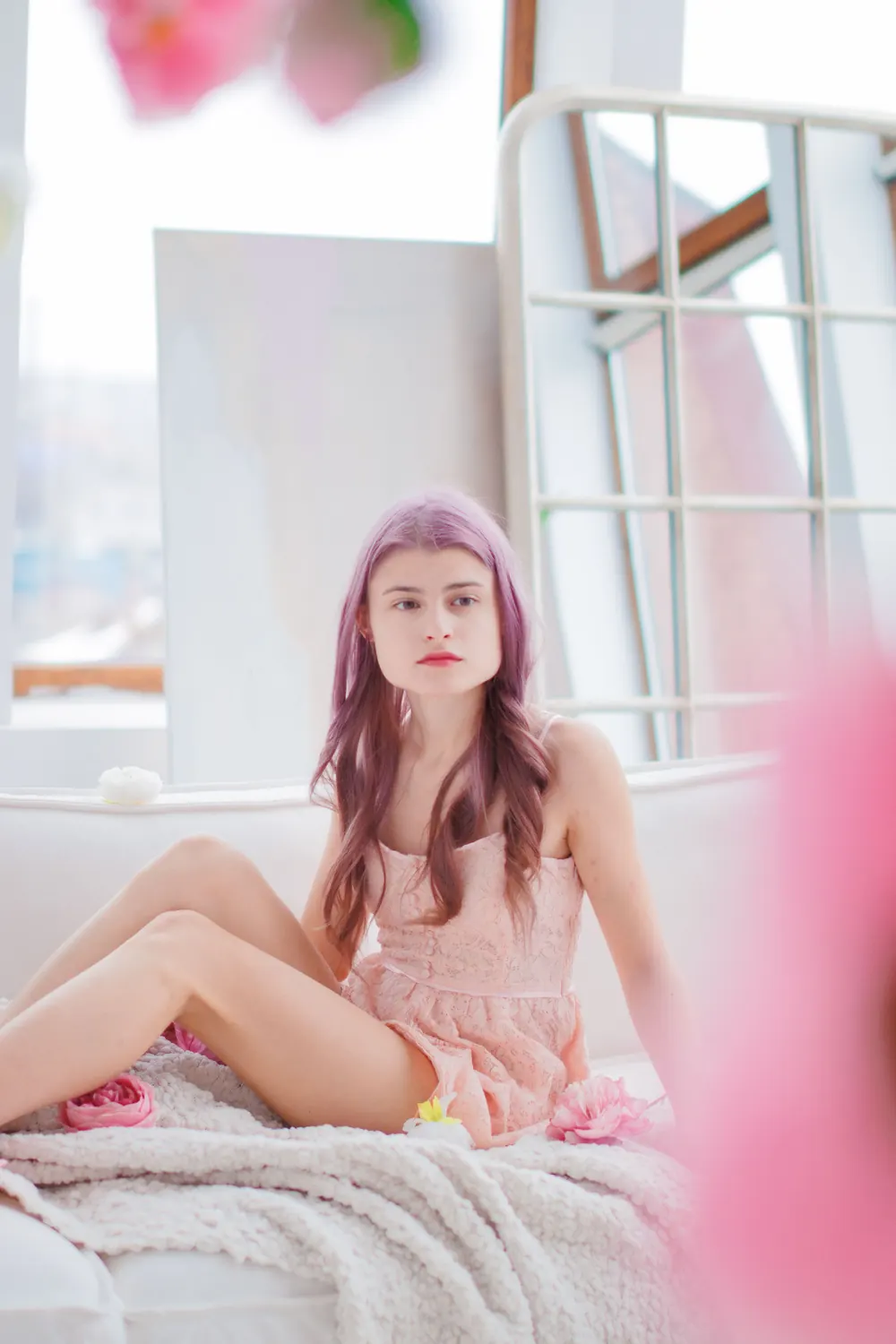
- Pastel pink: a soft blush shade that needs very light, almost white blonde hair underneath.
- Rose gold: pink blended with warm golden blonde. Gentle, wearable and flattering on warm skin tones.
- Dusty rose: pink with a touch of grey or mauve. Muted and sophisticated.
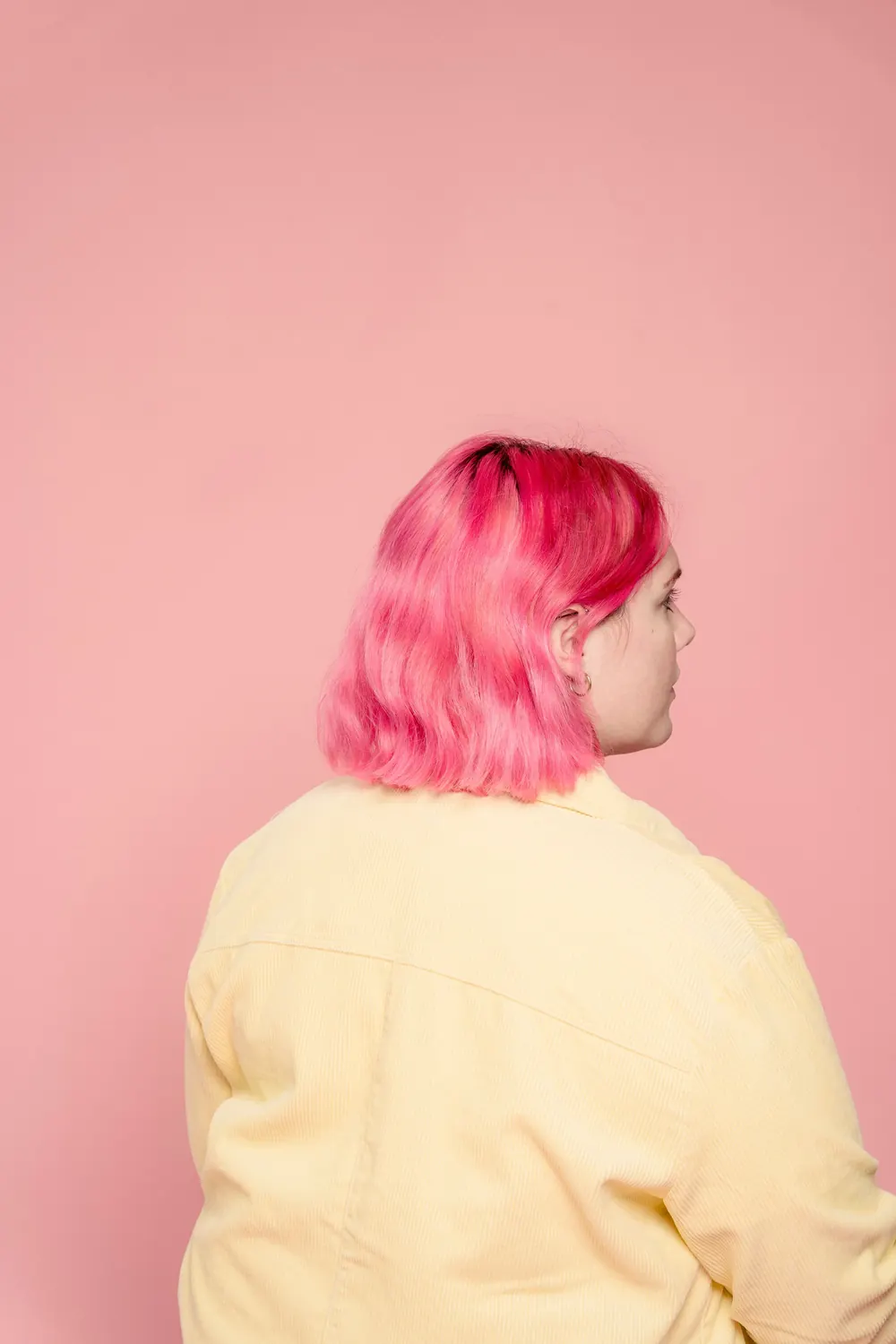
- Millennial or bubblegum pink: a clear, mid-tone pink that looks fun and youthful.
- Hot pink and fuchsia: saturated, vivid shades that make a bold statement.
- Pink balayage or tips: pink placed only through the mid-lengths and ends, often over brown or blonde.
Choosing pink for your skin tone
Almost everyone can wear pink hair; the key is the undertone.
- Fair skin with cool undertones: pastel pink, icy rose and cool bubblegum look fresh.
- Fair or light skin with warm undertones: rose gold, peachy pink and strawberry-pink are flattering.
- Medium skin: dusty rose, mauve pink and deeper raspberry shades add warmth without washing you out.
- Deep skin: rich magenta, hot pink, berry pink and pink balayage over dark brown look striking.
If you are unsure, hold pink and peach fabrics up to your face in daylight. Whichever makes your skin look brighter is your starting point.
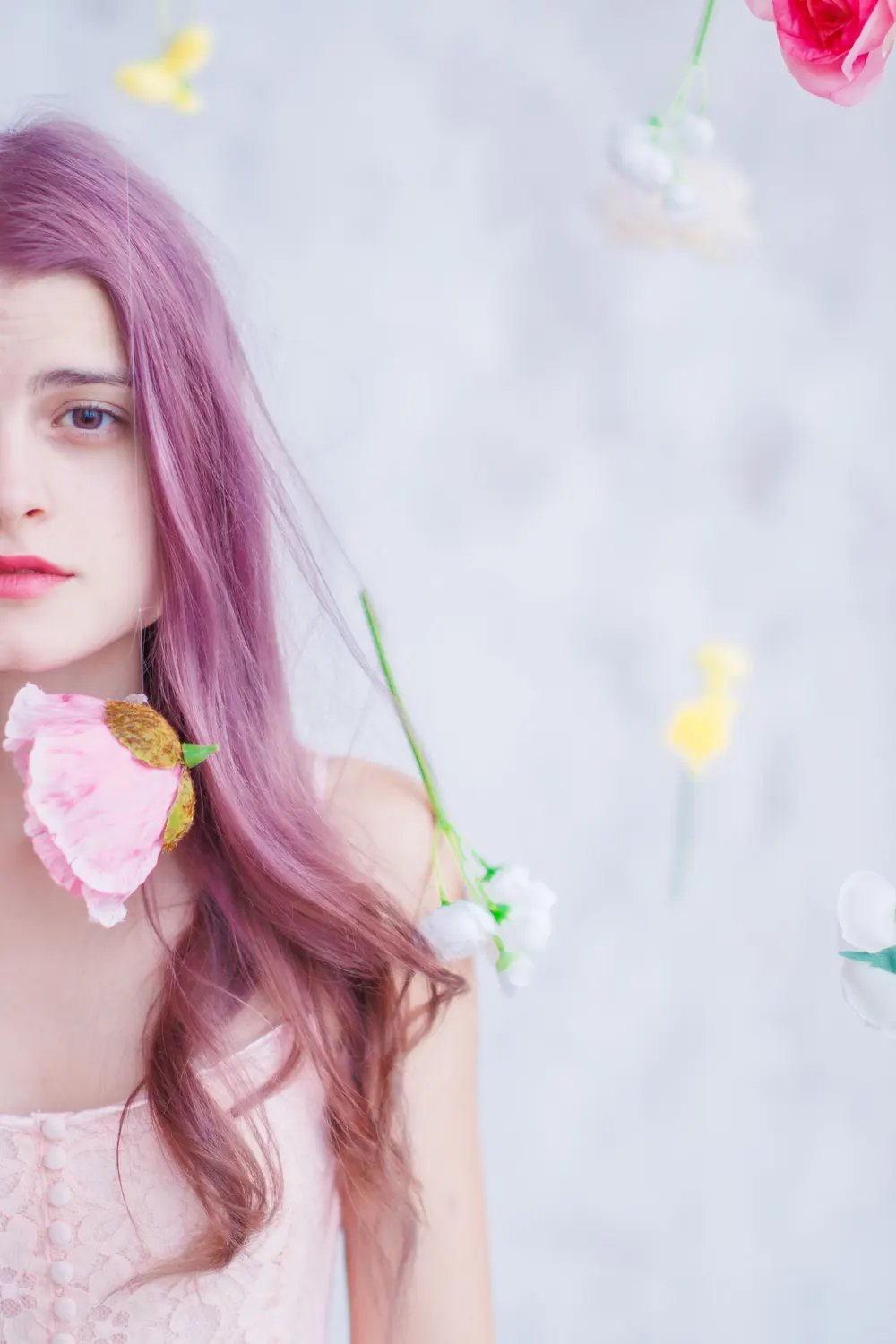
How colourists create pink hair
Most pink shades are achieved in two stages.
- Lightening: unless your hair is already very light blonde, it needs to be pre-lightened. Bright and pastel pinks need the most lift. A careful colourist will use a bond-building treatment to protect the hair.
- Depositing pink: a semi-permanent or demi-permanent pink is applied over the lightened hair. These dyes sit on the surface of the strand rather than lifting colour, which is why pink fades gradually.
For a softer commitment, ask for pink balayage or a pink money piece around the face. Only part of the hair is lightened, so maintenance and damage are lower.
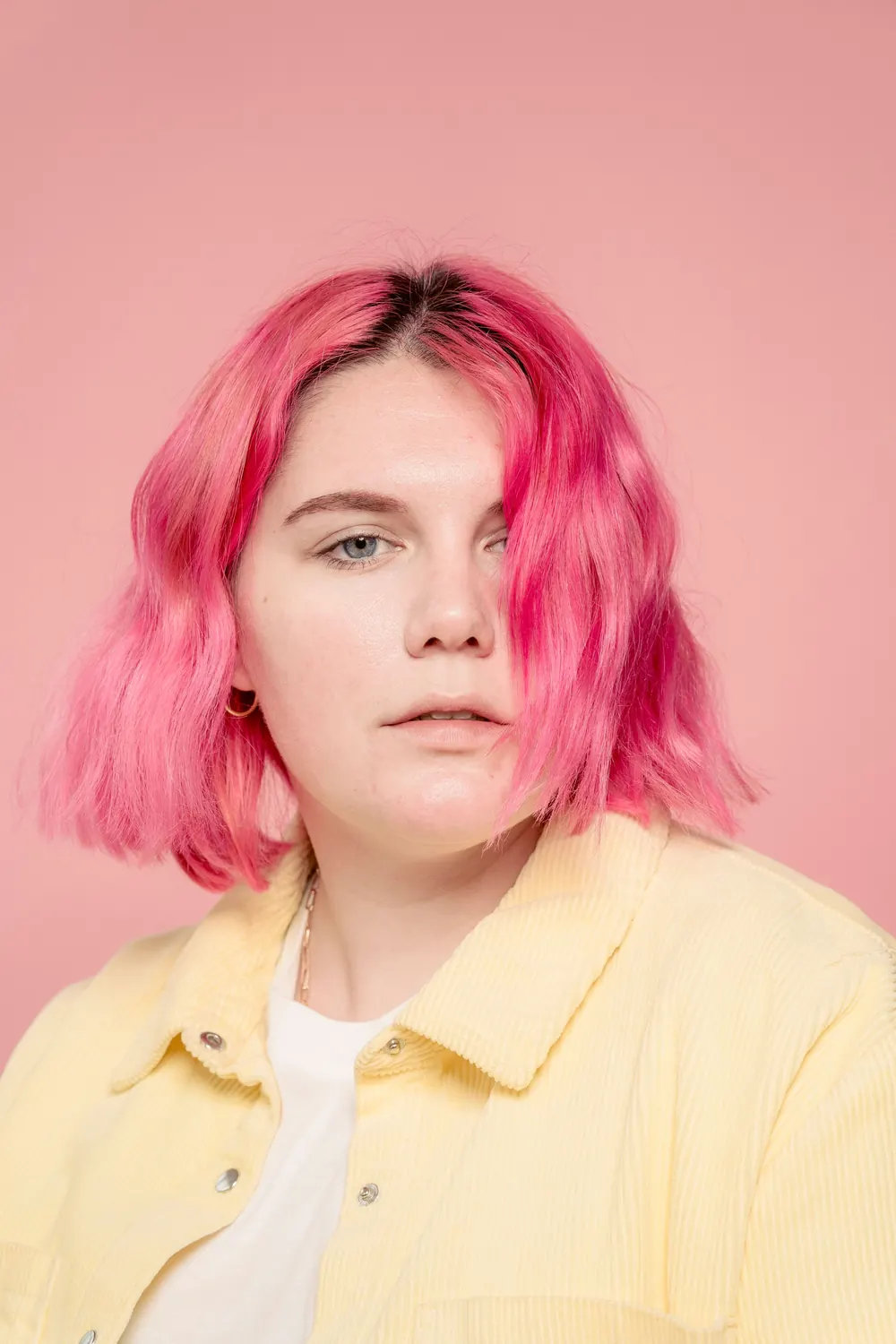
Pink at home
If your hair is already blonde, semi-permanent pink dyes, colour-depositing conditioners and glosses are an easy way to try the shade. They contain no developer, so they do not lighten, and they gradually wash out over a few weeks.
- Apply to clean, towel-dried hair and wear gloves.
- Leave the product on for the full recommended time, or longer for a deeper result.
- Rinse with cool water until it runs mostly clear.
- Mix a pink dye with white conditioner to create a pastel shade.
Leave pre-lightening of dark hair to a professional, especially if your hair has been coloured before.
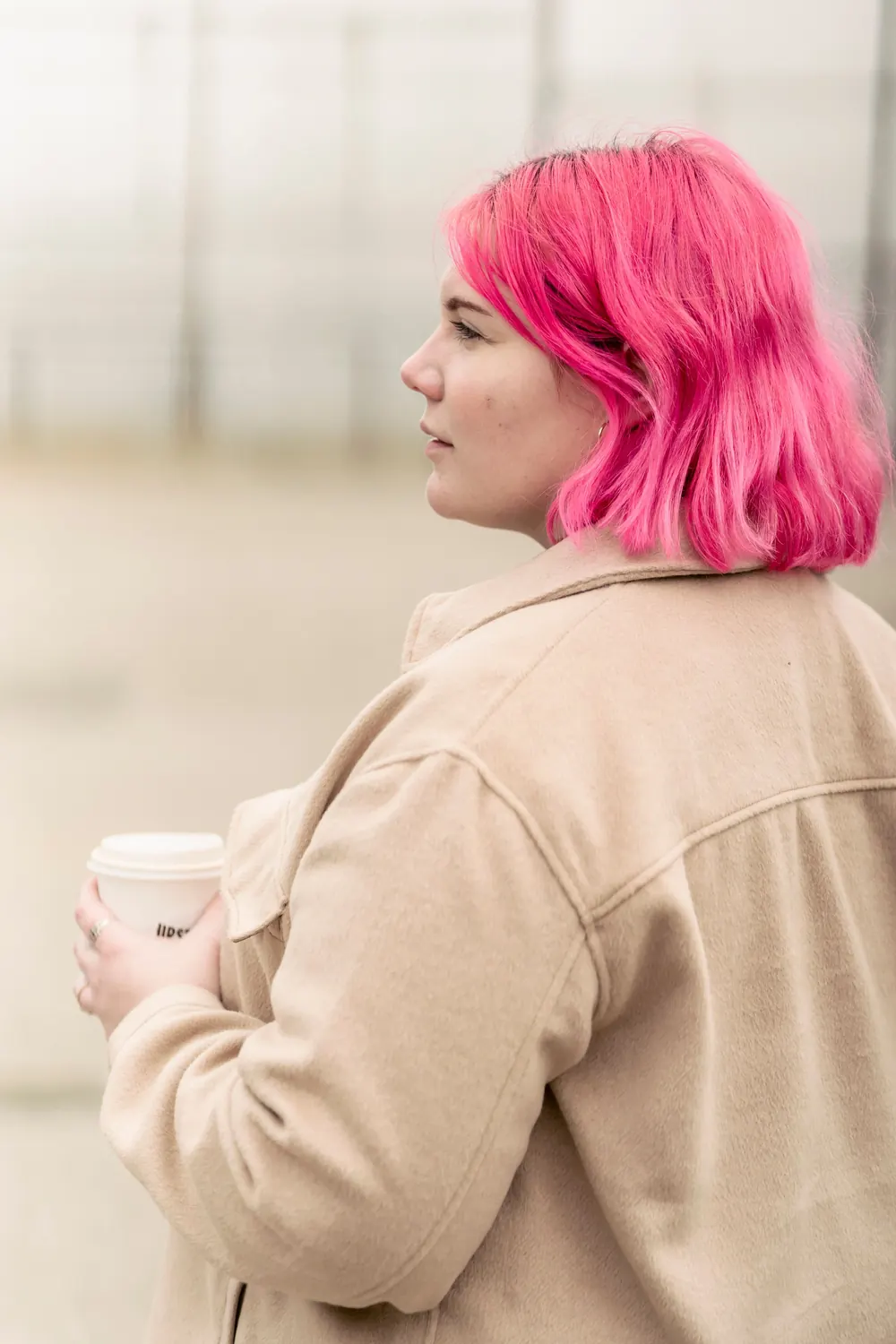
Why pink fades so fast and how to slow it
Pink molecules are large and sit on the outside of the hair, so they rinse away easily. These habits make a big difference:
- Wash less often: two or three times a week, using dry shampoo in between.
- Use cool water: hot water opens the cuticle and lets colour escape.
- Choose sulphate-free shampoo: it is gentler on semi-permanent colour.
- Use a pink colour-depositing conditioner: once a week to refresh the tone.
- Protect from heat and sun: use heat protectant and wear a hat in strong sun.
- Avoid chlorine: wet and condition your hair before swimming.
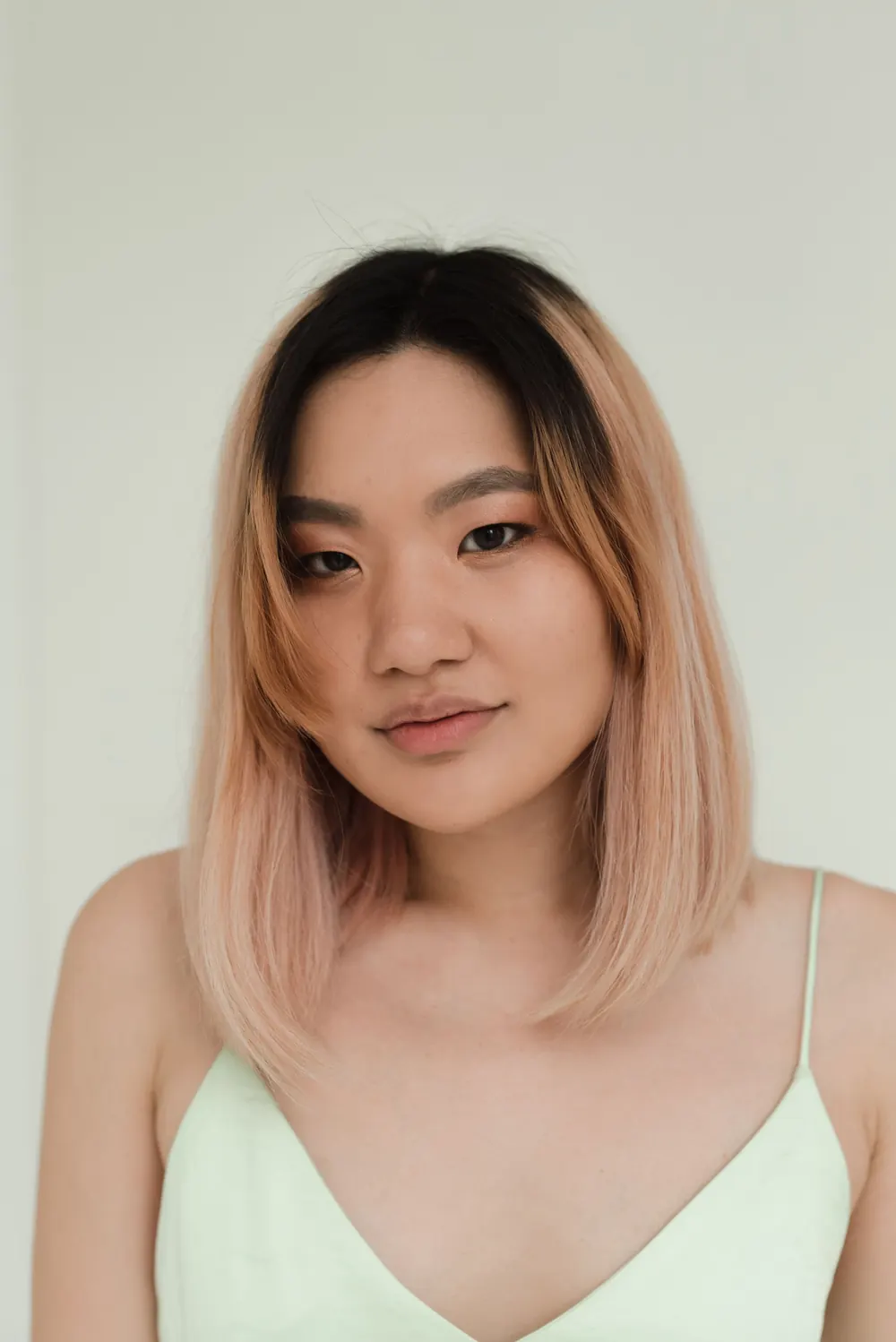
Caring for lightened pink hair
Lightened hair is more porous and fragile, so hydration is essential.
- Use a deep-conditioning mask every week.
- Add a bond-repair treatment to your routine every couple of weeks.
- Comb gently from the ends upwards with a wide-tooth comb.
- Apply a light oil or leave-in conditioner to the ends.
- Book regular trims to remove dry, split ends.
Styling pink hair
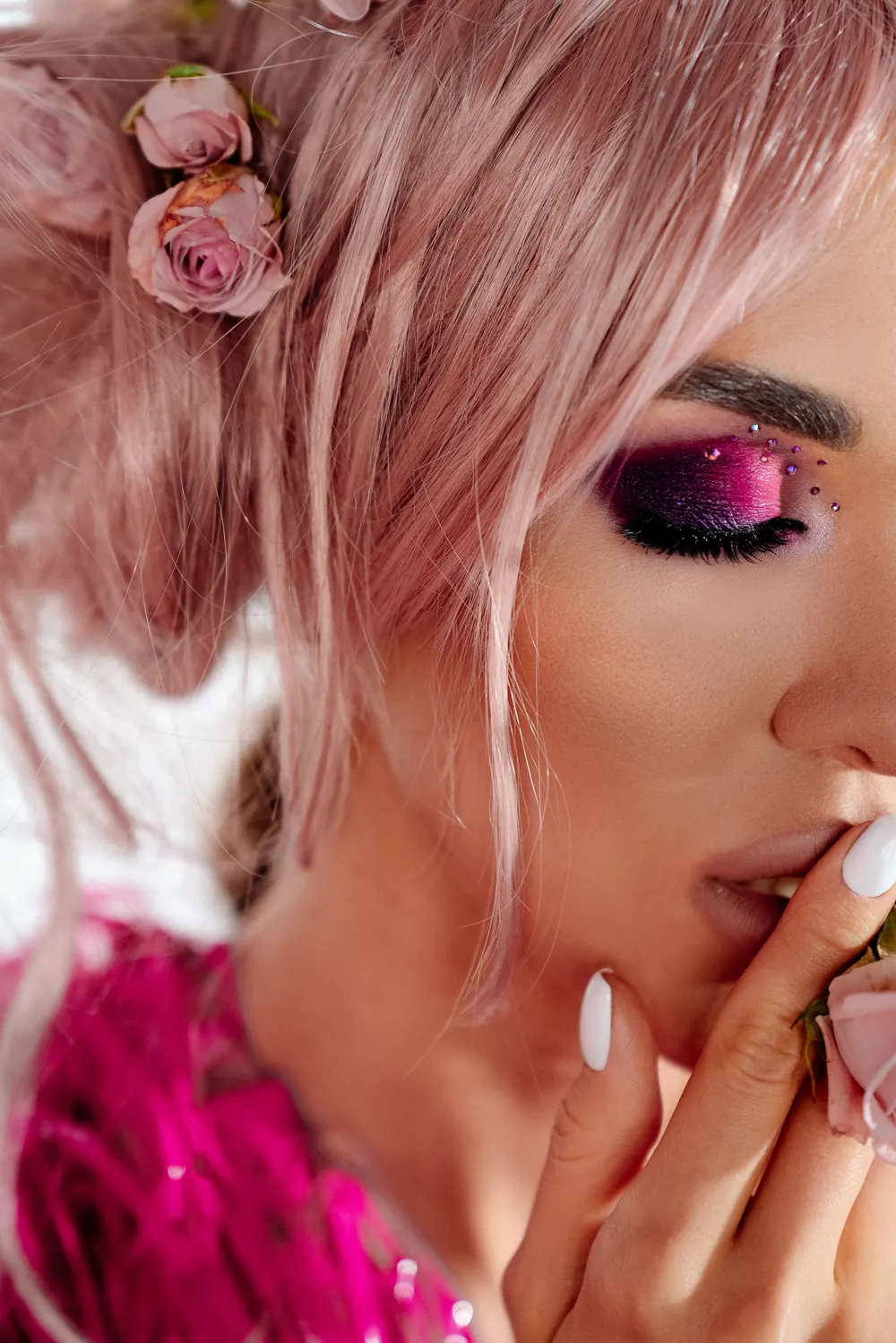
Pink looks especially pretty with soft texture. Loose waves and curls show off dimension, while sleek styles show the depth of the shade. Pink also pairs beautifully with simple makeup: rosy cheeks and a neutral lip look harmonious, while a bold red lip can clash with cooler pinks.
Growing it out or changing colour
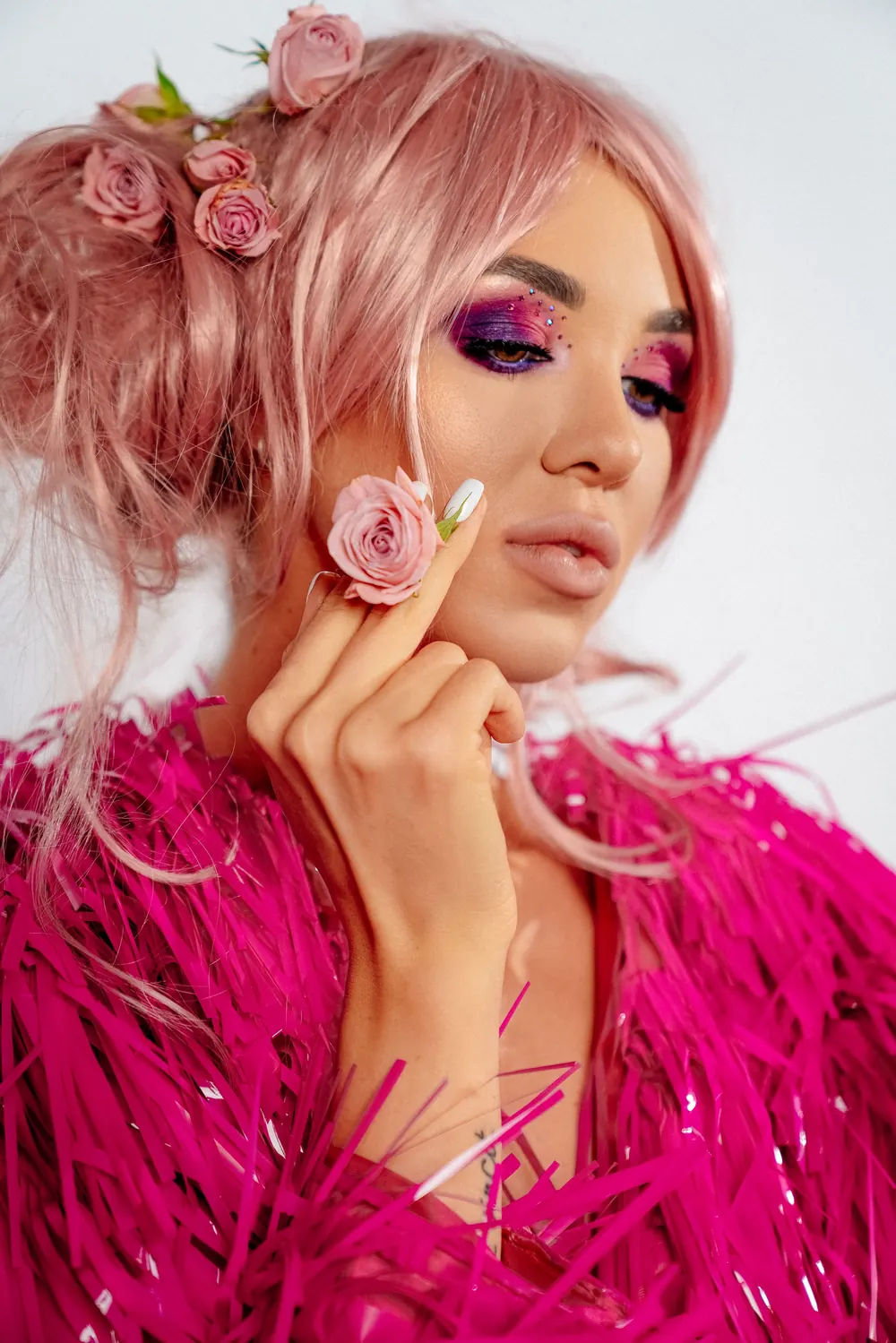
Pink fades to a soft peach or blush before disappearing, which makes it easy to move on. You can let it fade naturally, refresh it with a new shade or ask your colourist to tone back to blonde. Moving from pink to a darker colour, such as brown or copper, is usually simple because pink is easy to cover.
Common mistakes to avoid
- Skipping the lightening: pink over dark hair barely shows.
- Lightening too fast: aggressive bleaching causes breakage.
- Hot showers: they strip colour quickly.
- Washing straight after colouring: wait at least 48 to 72 hours.
- Ignoring porosity: uneven hair takes pink unevenly, so condition first.
Pink hair is fun, flattering and easier to wear than many people think. Choose a shade that suits your undertone, lighten safely, care for your hair with cool water and gentle products and refresh the tone regularly, and your pink will stay soft, bright and healthy for weeks.
Get the Style Journal Co letter
One thoughtful email a week with our newest guides and seasonal ideas. No spam, unsubscribe anytime.
Save this guide for later — this image is sized for pinning.
Some posts may contain affiliate links; see our disclosure. Photography: John Diez; Daniil Kondrashin; Daniil Kondrashin; John Diez; John Diez; Arina Krasnikova; Юлиана Маринина; Юлиана Маринина; Юлиана Маринина; Kyle Miller; Connor Scott McManus; Connor Scott McManus; Connor Scott McManus; Connor Scott McManus; Antonio García; Antonio García via Pexels.