Money Piece Highlights: Face-Framing Shades, How Colourists Place Them and Aftercare
Money piece highlights explained: what the face-framing money piece is, shades for blonde, brunette, red and dark hair, how colourists place it, how wide to go, at-home safety, aftercare and how to keep the brightness from turning brassy.
The money piece is one of the simplest ways to brighten your hair without committing to a full head of colour. It is a pair of lighter sections placed right at the front of the hairline, framing the face and catching the light every time you move. Because it sits exactly where people look first, a small amount of colour makes a big difference, which is how it earned its name. This guide explains the different versions, how a colourist creates them and how to keep your money piece looking bright.
What is a money piece?
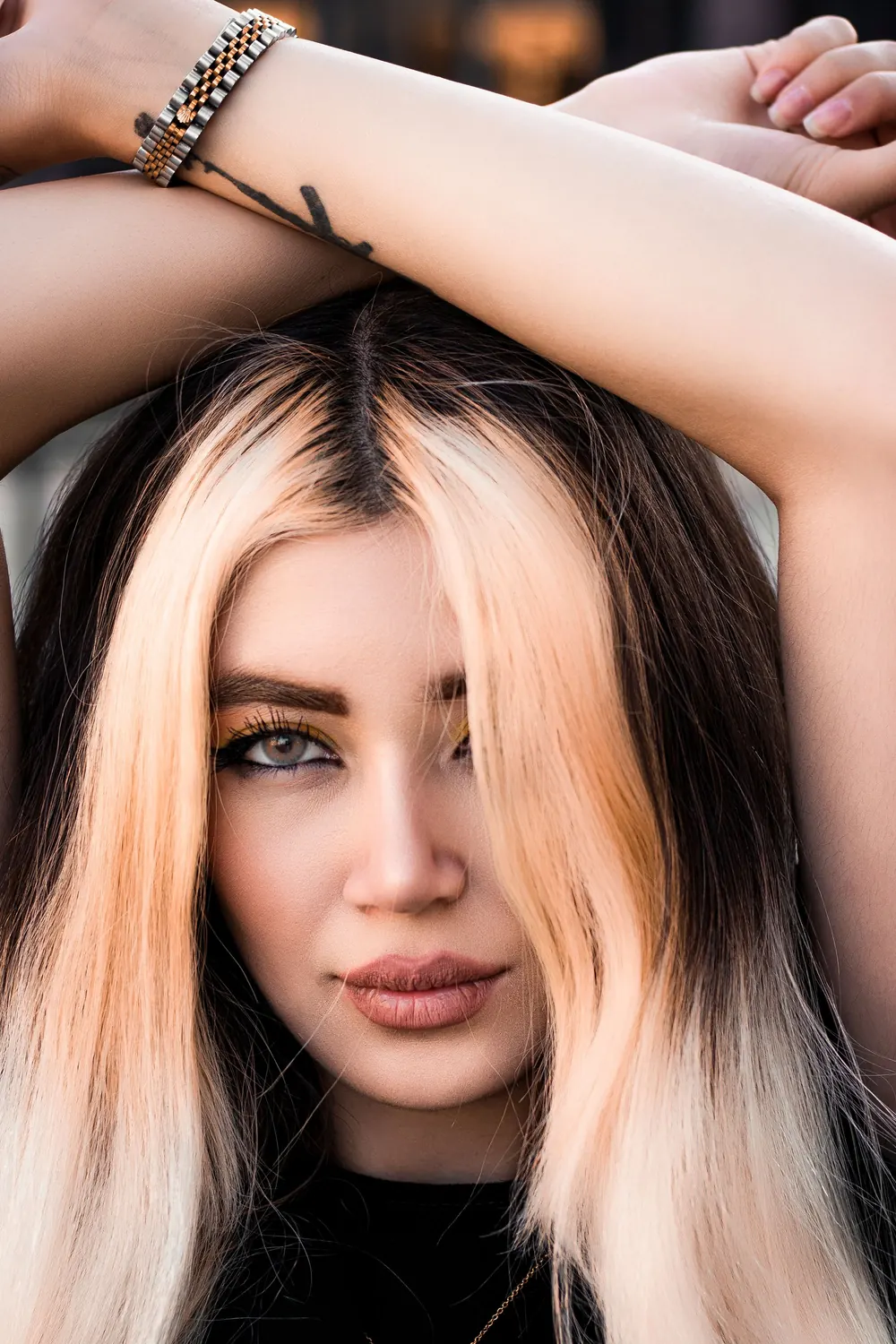
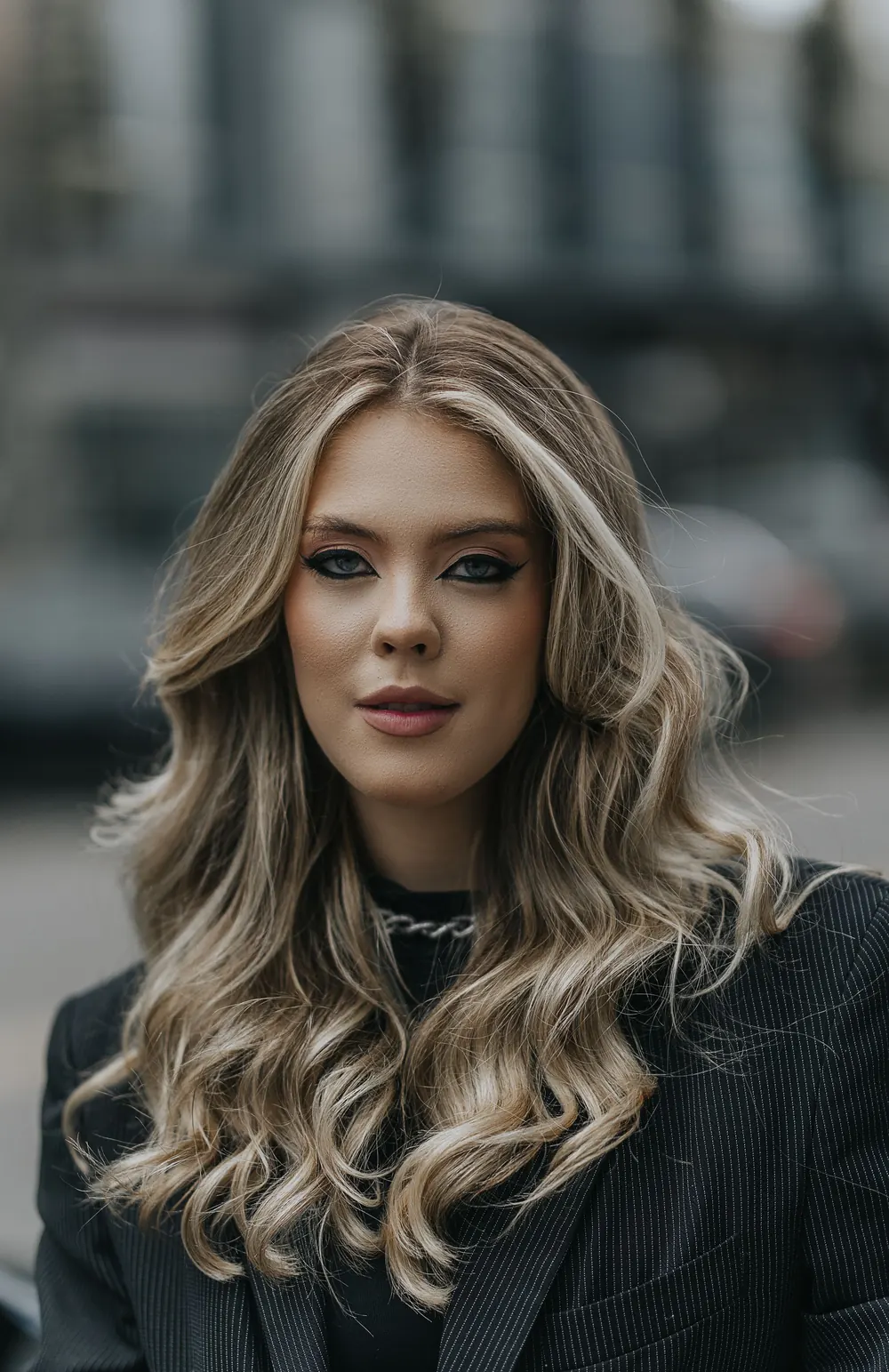
A money piece is a bold, face-framing highlight placed on the front sections of hair on either side of the parting. Unlike traditional highlights, which are spread through the whole head, the money piece concentrates brightness around the face. It can be:
- Subtle: fine, softly blended pieces only one or two shades lighter than the base colour.
- Classic: wider, clearly brighter sections that start close to the root and flow into the lengths.
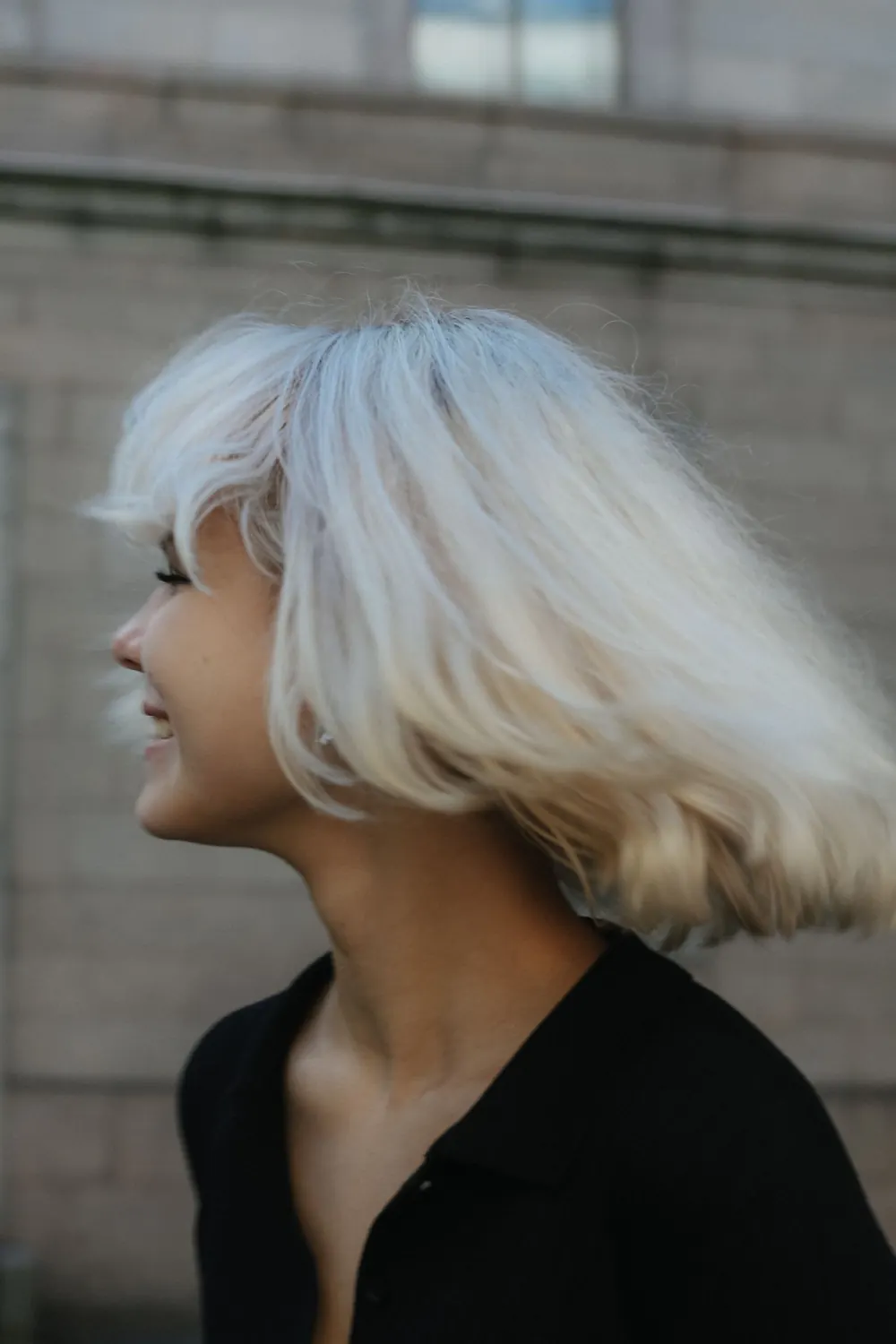
- Bold: chunky, high-contrast panels, often platinum against a dark base, inspired by 90s styles.
It can be worn alone or combined with balayage, babylights or a gloss for a more blended finish.
Who suits a money piece?
Almost anyone. The money piece works on straight, wavy, curly and coily hair and on short and long lengths. It is especially flattering if you:
- want to brighten your complexion without lightening your whole head;
- are growing out colour and want a low-maintenance refresh;
- wear your hair down and loose most of the time;
- want a noticeable change before a holiday or event without a long appointment.
If you usually wear your hair tied back, ask your colourist to extend the brightness slightly into the hairline underneath, so it still shows in a ponytail.
Choosing the right shade
The best money piece complements both your base colour and your skin tone.
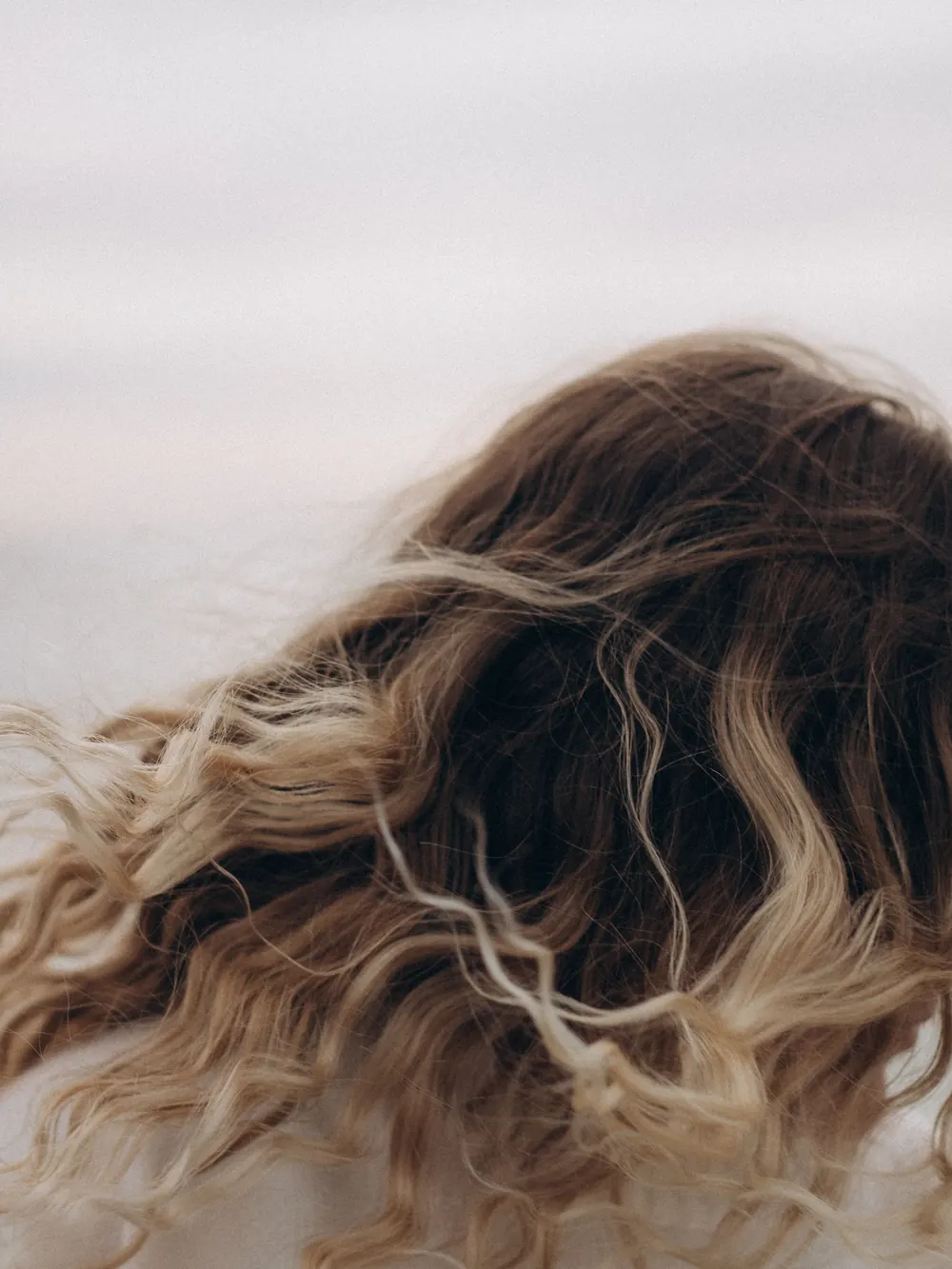
- Blonde hair: go a few shades brighter with buttery, honey or creamy beige tones for a sun-kissed effect.
- Light and medium brown hair: caramel, honey and toffee tones feel natural and warm; cool beige suits cooler skin.
- Dark brown and black hair: soft caramel, chestnut or mocha keeps it wearable, while ash or platinum gives a bold contrast.
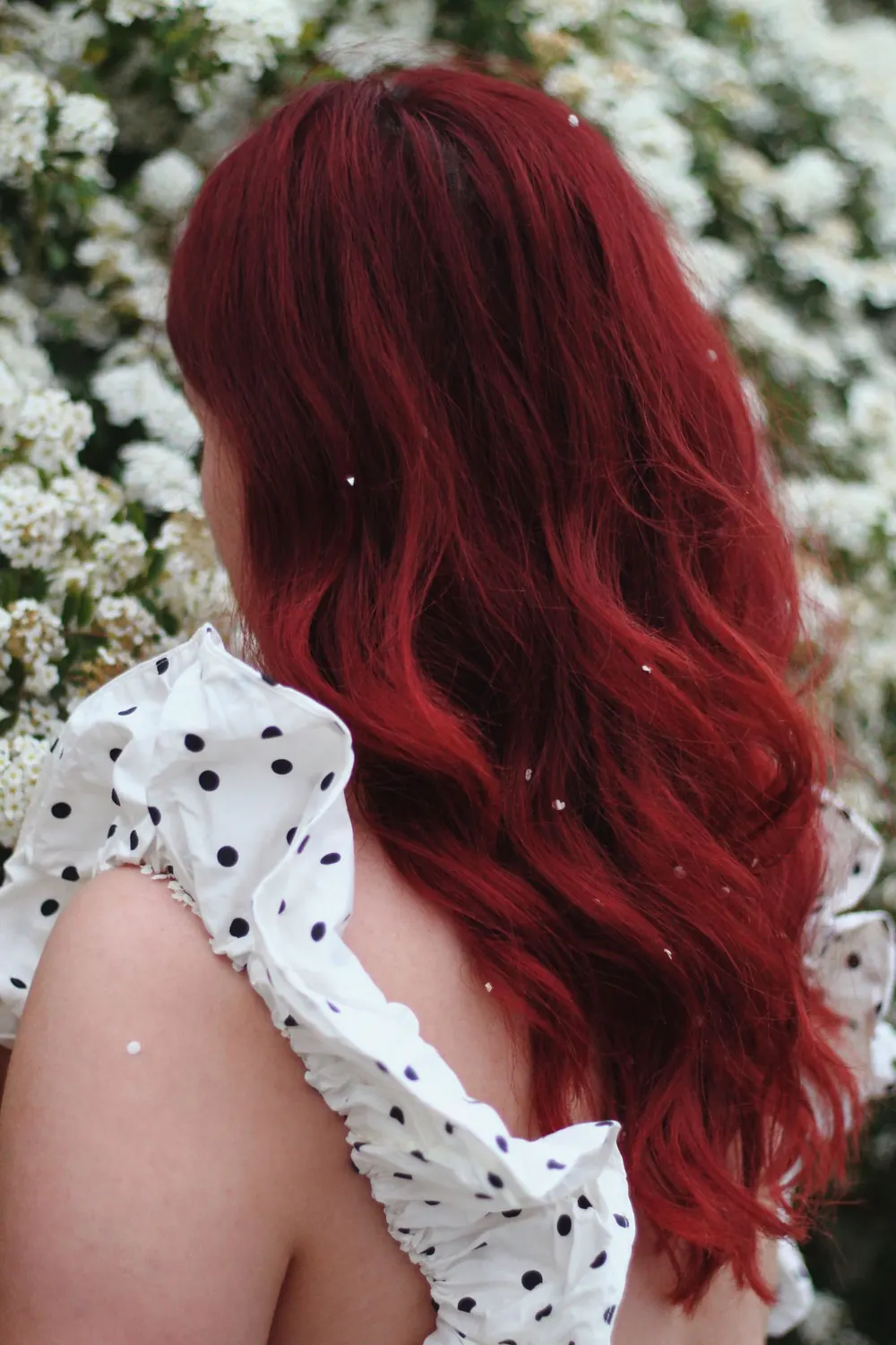
- Red and copper hair: strawberry blonde or golden copper brightens the face while keeping the warmth.
- Grey and silver hair: a bright white or pearl money piece makes grey look intentional and luminous.
How colourists create a money piece
A professional application usually follows these steps:
- Consultation. Your colourist checks your hair history, natural colour, texture and how you style your parting.
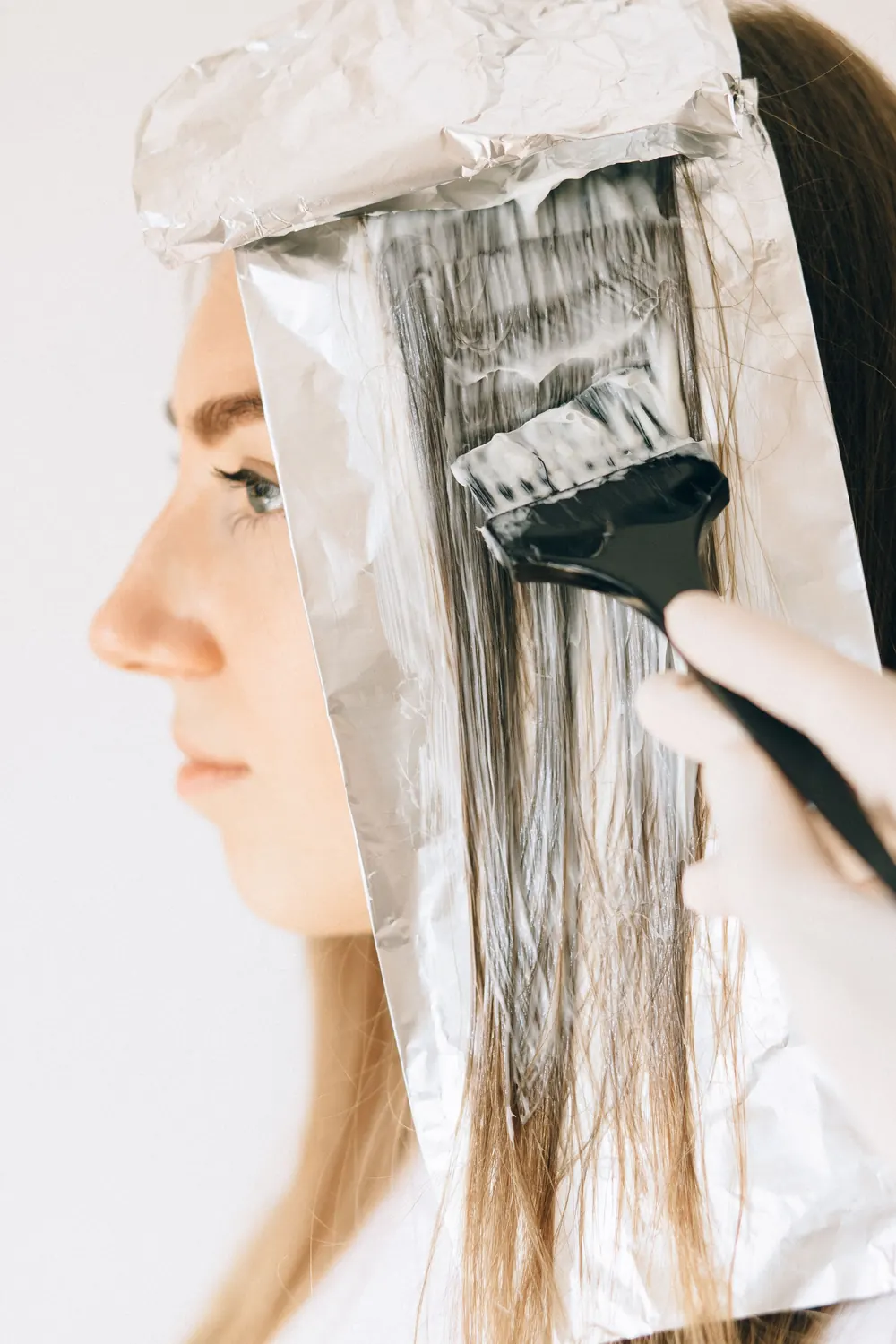
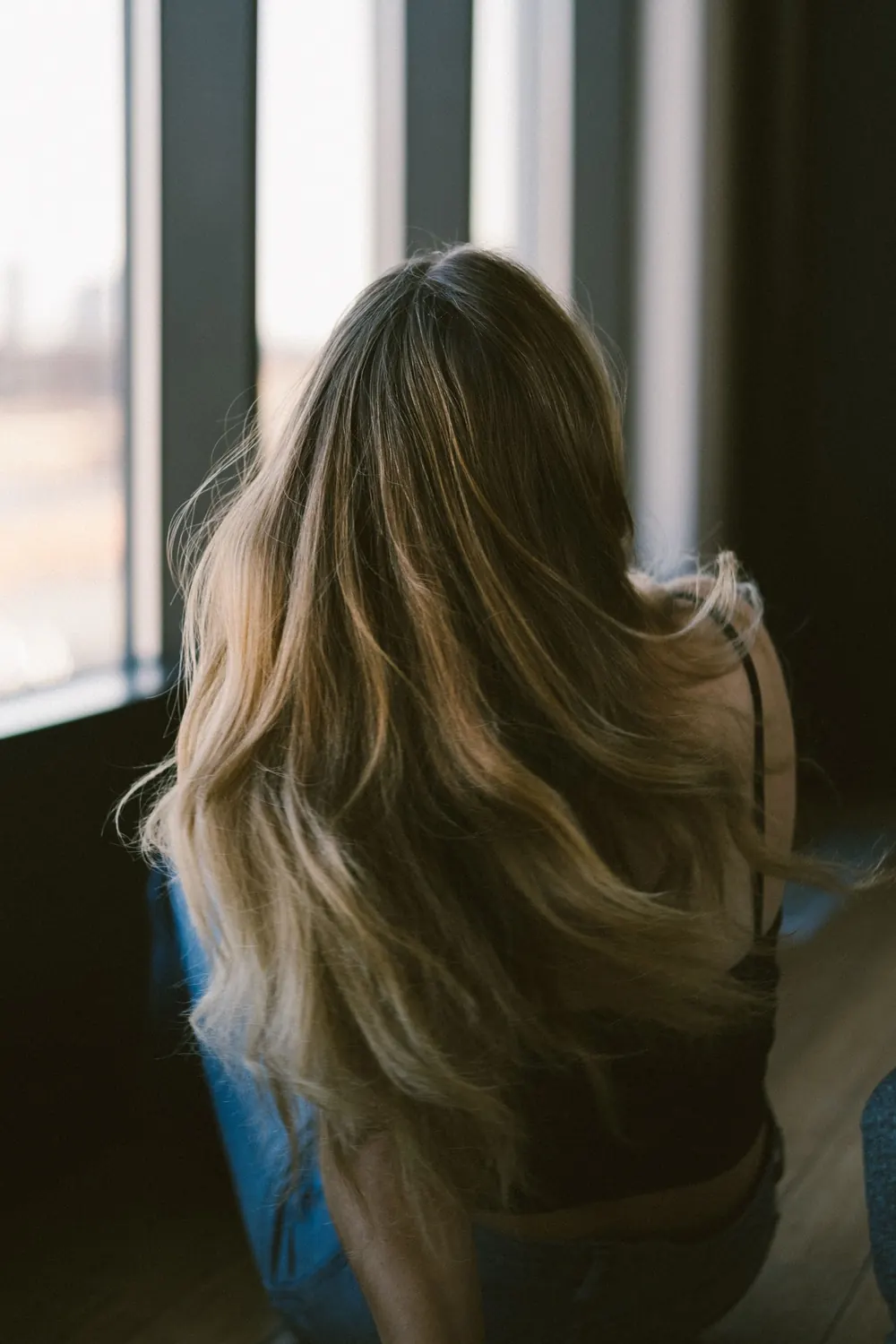
- Sectioning. Two sections at the front hairline are separated, typically 1 to 3 cm wide depending on the look.
- Lightening. Lightener is painted or foiled from close to the root through the ends. Bond-building additives are often used to protect the hair.
- Toning. Lightened hair is toned with a gloss to remove unwanted brassiness and achieve the chosen shade.
- Blending. For a soft result, the colourist may add babylights or a root smudge so the brightness melts into the base.
Appointments are usually shorter and less expensive than full highlights because only the front sections are lightened.

How wide should it be?
- Fine and thin hair: narrower sections keep the effect soft and avoid an obvious stripe.
- Thick hair: wider panels show up better and stay visible.
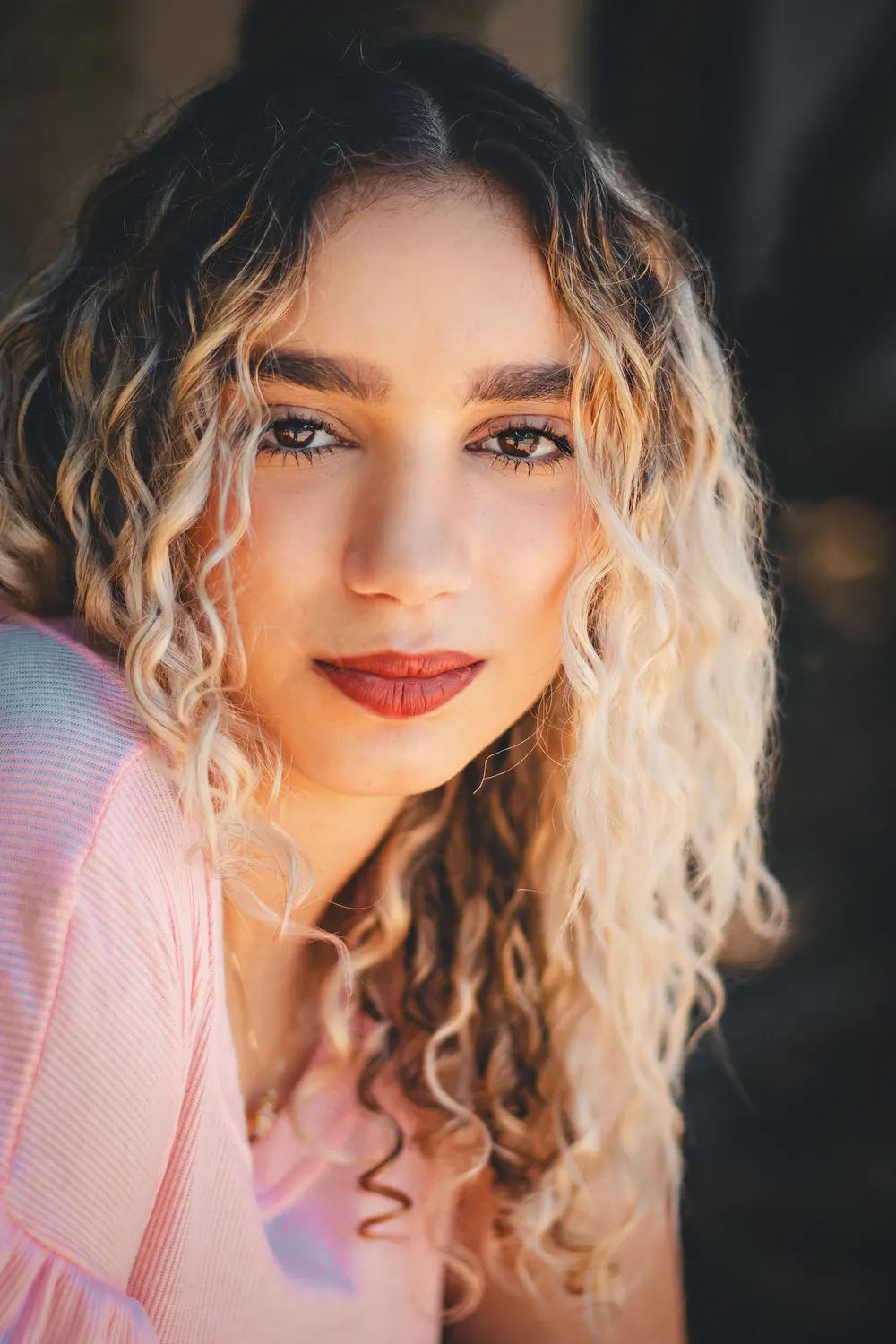
- Curly and coily hair: colour applied to whole curls or spirals looks more natural than fine weaves.
- Short hair and bobs: keep it narrow and soft so it does not dominate.
Can you do a money piece at home?
At-home kits exist, but lightening hair near your face carries real risks. If you decide to try:
- Do a patch test 48 hours before and a strand test on a hidden section.
- Use a low-volume developer and check the hair every few minutes.
- Keep lightener away from the scalp edges, eyebrows and skin.
- Tone afterwards with a purple or blue toner if the hair looks yellow or orange.
If your hair is very dark, previously coloured, chemically straightened or damaged, a salon is the safer choice.
Aftercare for bright, healthy colour
Lightened front sections are the most exposed part of your hair, so treat them gently.
- Wash with cool water and a sulphate-free shampoo to slow fading.
- Use purple shampoo once a week for blonde money pieces, or a blue one for caramel and brunette shades.
- Apply heat protection every time you use straighteners, curling tongs or a hairdryer.
- Deep condition weekly and use a bond-building treatment if the ends feel fragile.
- Protect from sun and chlorine with a hat or UV spray and a rinse after swimming.
How often to refresh
A money piece grows out gracefully, especially if the colourist softened the root. Most people book a touch-up every 8 to 12 weeks, with a toner or gloss every 4 to 6 weeks to keep the shade fresh.
Styling your money piece
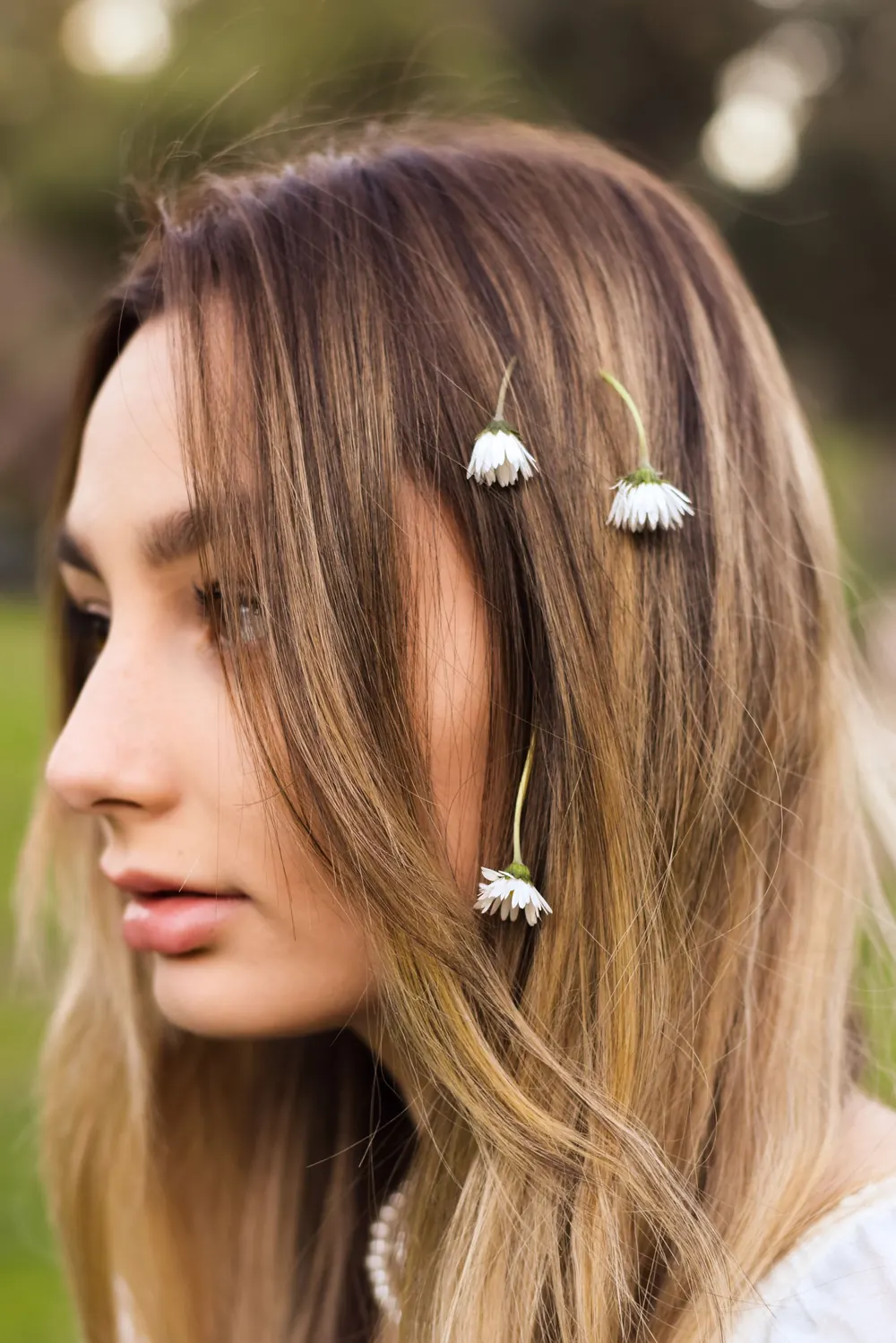
- Curtain bangs and face-framing layers show off the brightness beautifully.
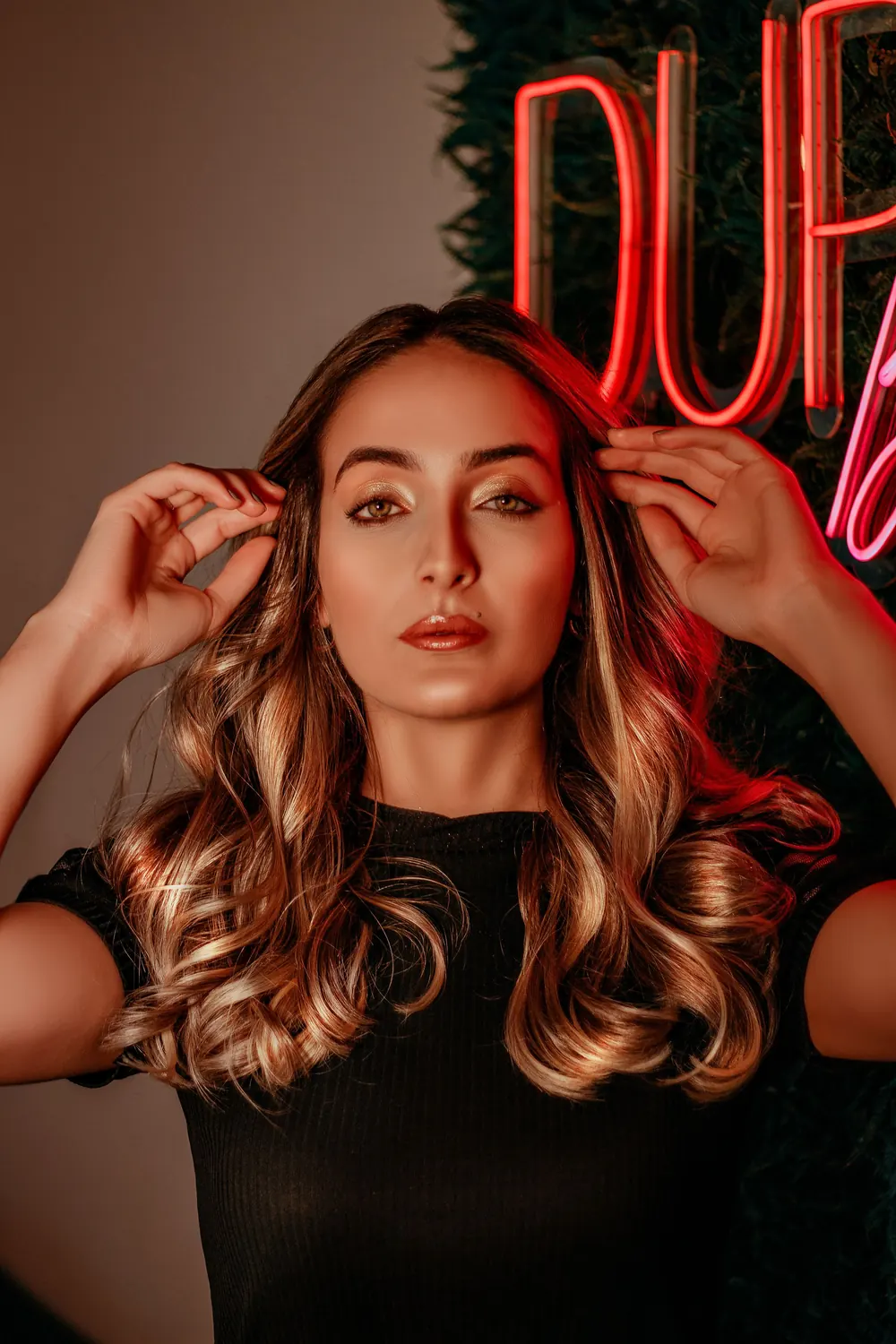
- Soft waves or a bouncy blow-dry spread the colour so it catches the light.
- A sleek middle parting creates a bold, symmetrical frame.
- Half-up styles keep the front pieces down and on show.
Common mistakes to avoid
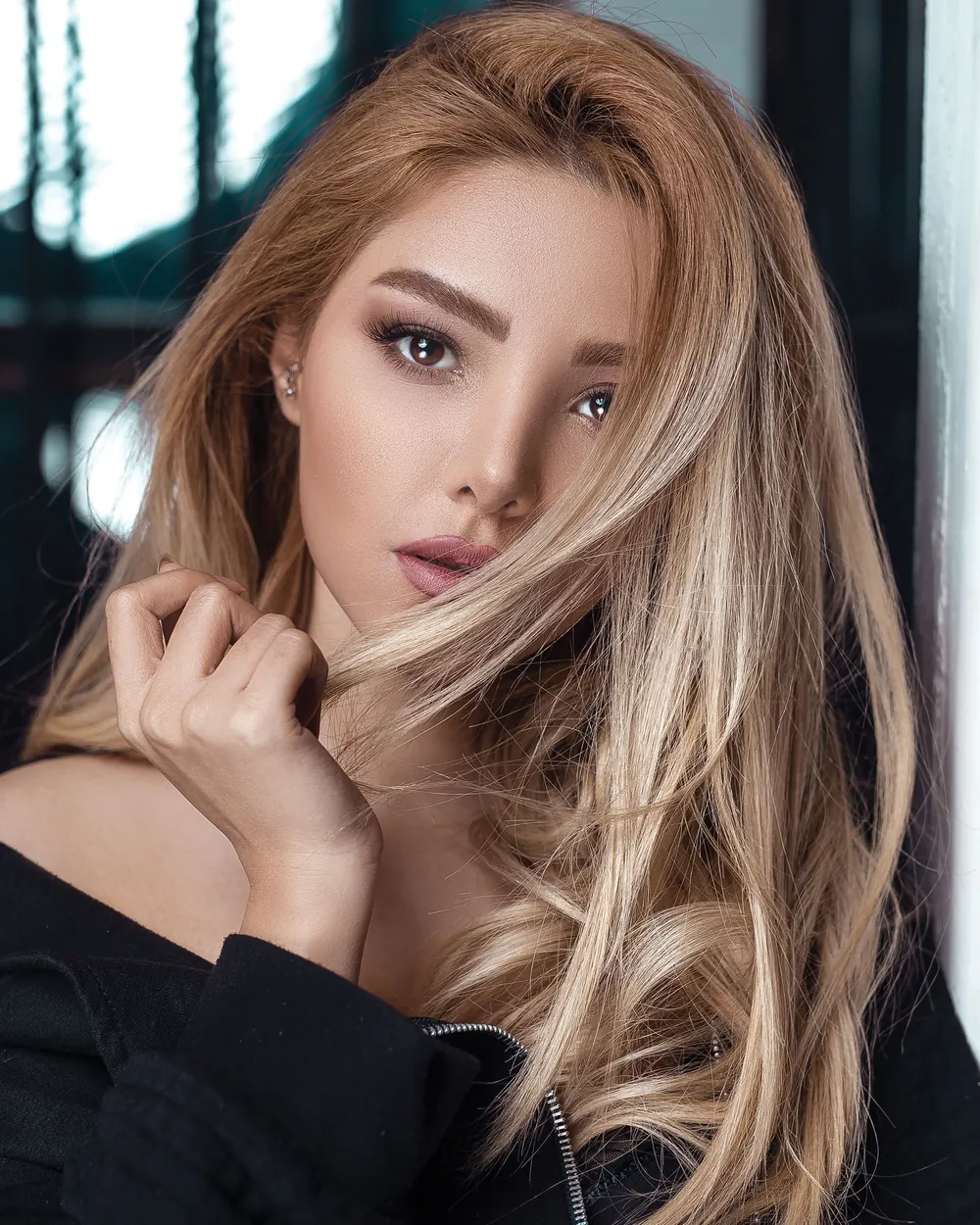
- Going too light on very dark hair in one session, which can cause breakage. Build brightness gradually.
- Skipping toner, which leaves brassy yellow or orange tones.
- Making it too wide on fine hair, which can look stripy.
- Ignoring aftercare, since front sections fade and dry out fastest.
The money piece is a small change with a big impact. Choose a shade that flatters your skin tone, let a colourist place and tone it carefully, protect the lightened hair from heat and sun and refresh the tone regularly, and your face-framing highlights will keep your look bright for months.
Get the Style Journal Co letter
One thoughtful email a week with our newest guides and seasonal ideas. No spam, unsubscribe anytime.
Save this guide for later — this image is sized for pinning.
Some posts may contain affiliate links; see our disclosure. Photography: ali rezaei; Nataliya Vaitkevich; Lizzy Honey; Mathilde Langevin; Matheus MMK; Eric Moura; Daniel Rocha; Wesley Davi; Jonathan Meza; Ali Pazani; Tim Mossholder; Tim Mossholder; Samuel Becerra; Arina Krasnikova via Pexels.