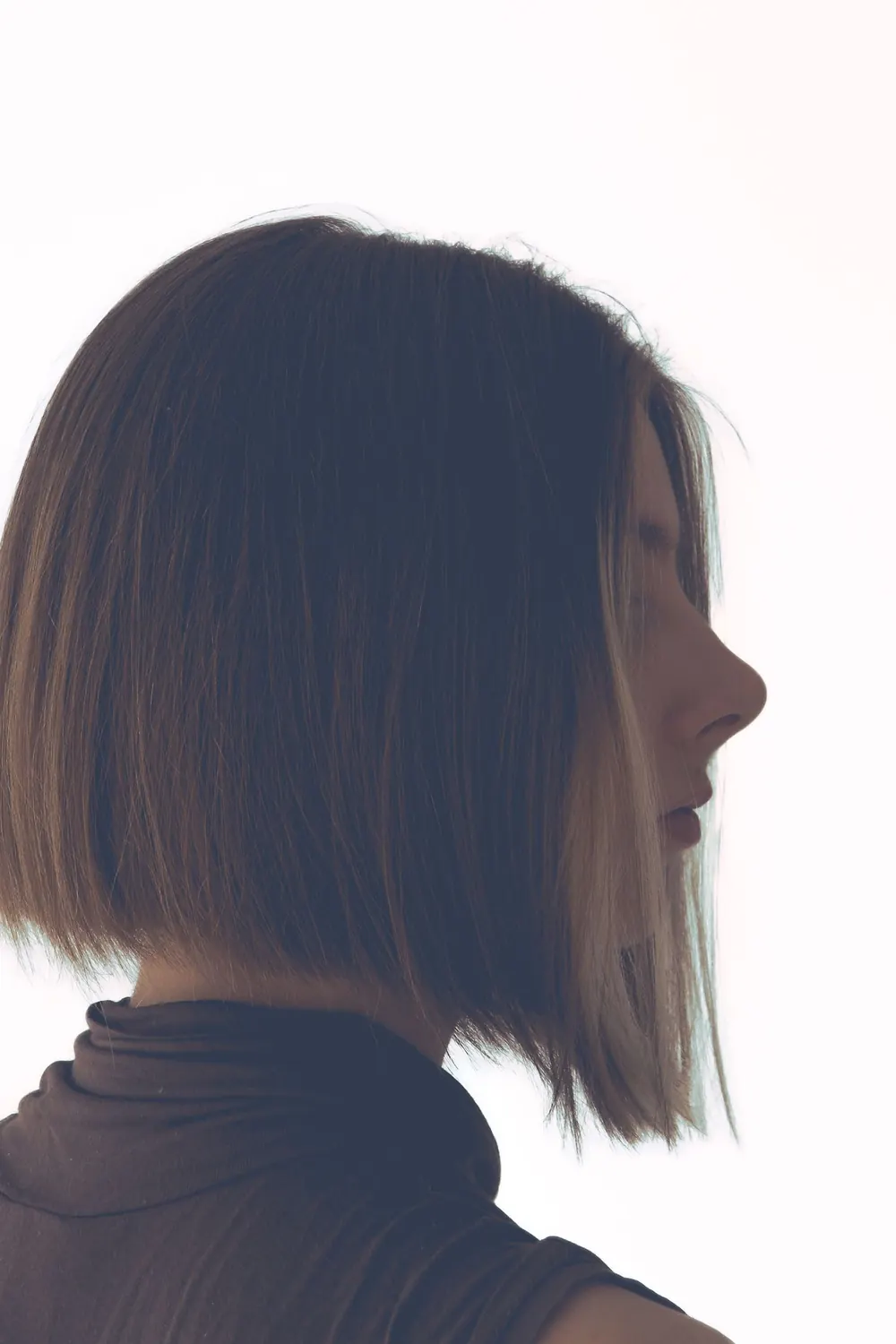
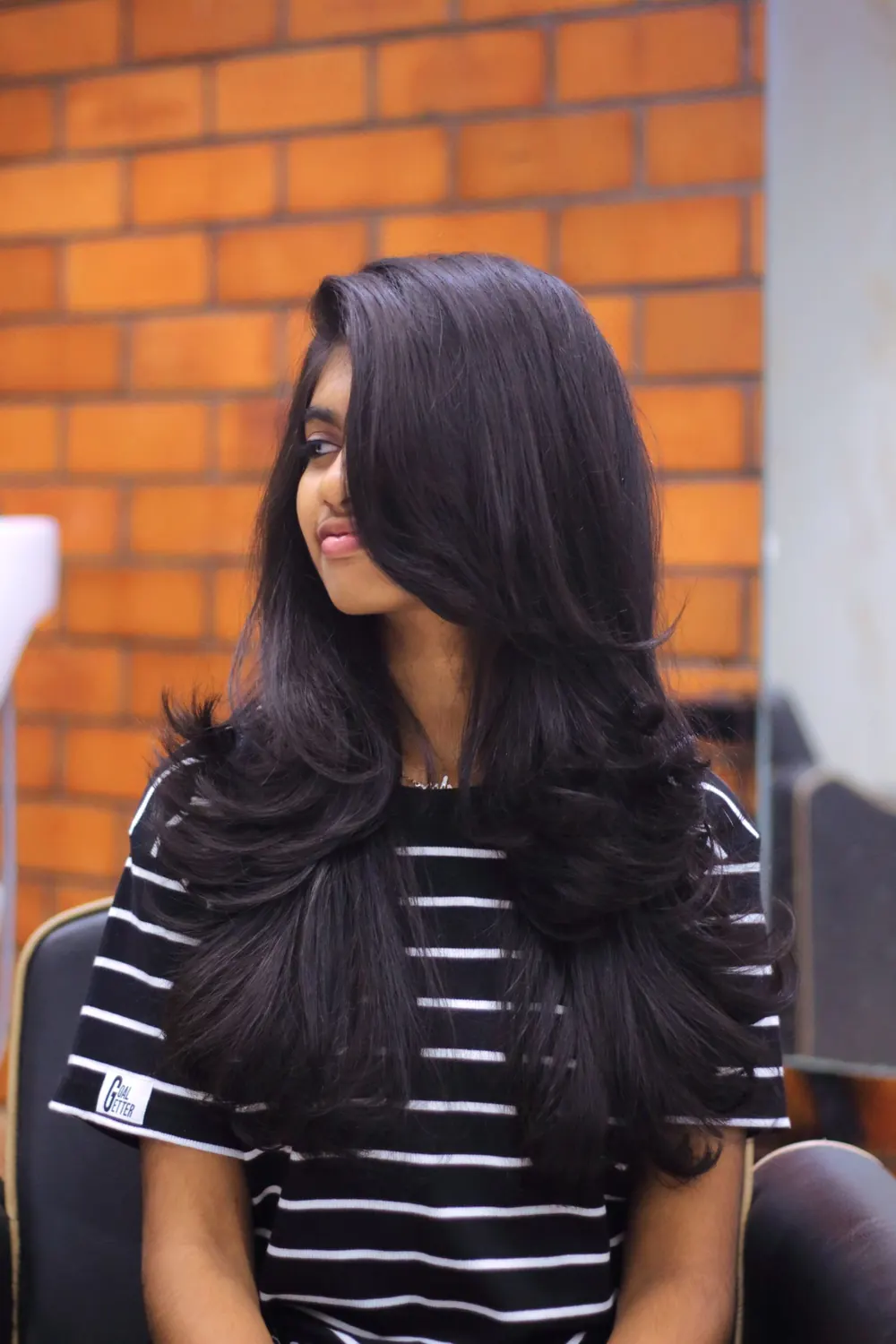
Lob Haircut: Who It Suits, How to Ask For It and Styling Tips
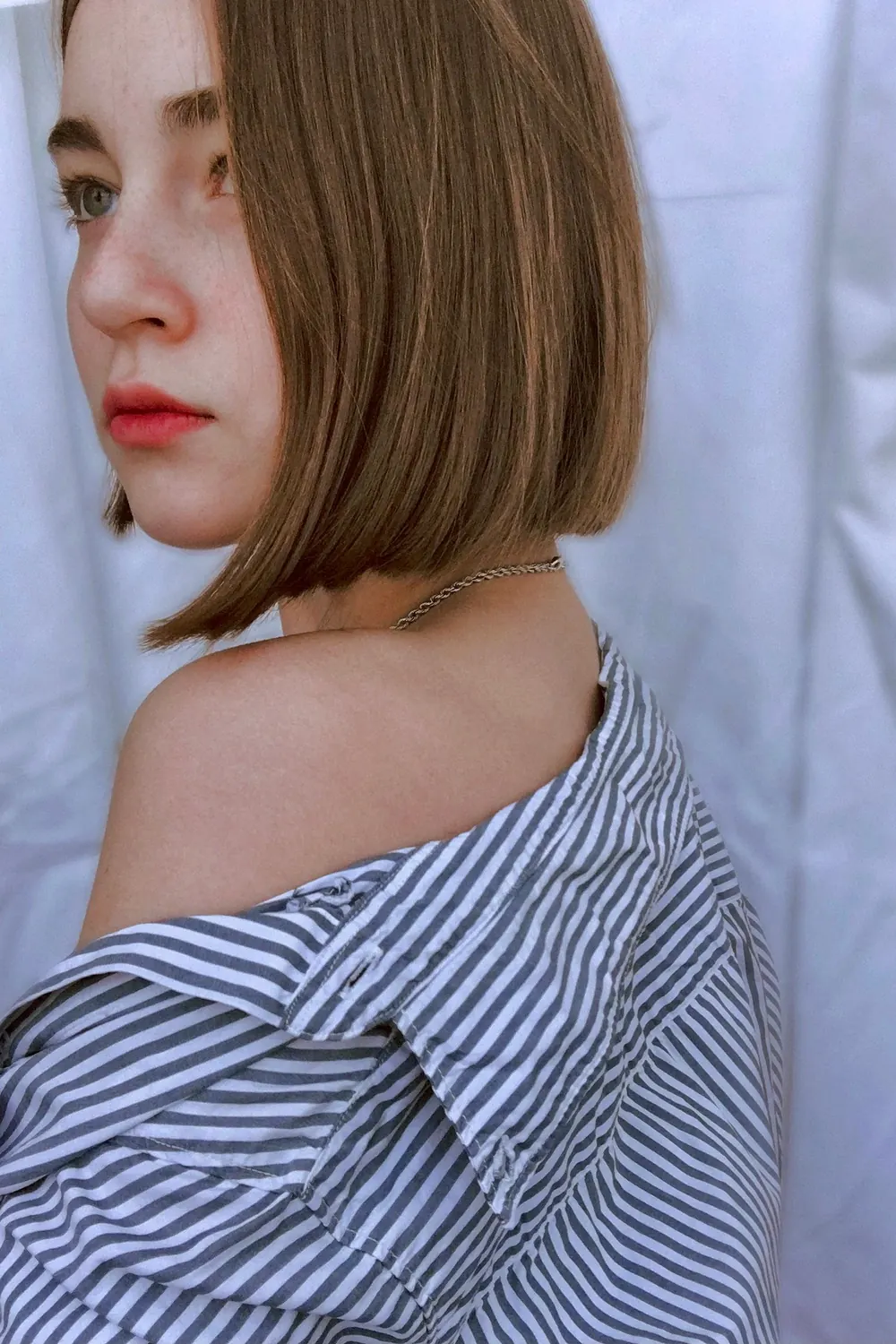
The lob haircut explained: what a long bob is, which face shapes and hair types it suits, blunt, layered and angled versions, exactly what to ask your stylist and how to style and maintain it between cuts.
The lob, short for long bob, is one of the most requested haircuts for a reason. It sits between the collarbone and the shoulders, so it feels fresh and modern without the commitment of a short bob, and it is long enough to tie back on busy days. It flatters most faces, works on straight, wavy and curly hair and is easy to grow out. If you are thinking of a change this season, here is how to choose the right lob and keep it looking good.
What exactly is a lob?
A lob is a bob cut longer, usually ending anywhere from just above the shoulders to the collarbone. The length is the defining feature; the shape can vary a lot.
- Blunt lob: cut to one length with a crisp line at the ends. It makes fine hair look thicker and is the most polished version.
- Layered lob: long layers remove weight and add movement, ideal for thick or wavy hair.
- Angled or A-line lob: slightly shorter at the back and longer at the front, which frames the face and elongates the neck.
- Textured lob: point-cut or razored ends for a softer, lived-in shape that suits air-dried waves.
- Lob with curtain bangs: adds face-framing softness and works well on oval and heart-shaped faces.

Who suits a lob?
The lob is famously versatile, but small adjustments help it flatter different features.
- Round faces: choose a length that falls below the chin, ideally to the collarbone, with a slight angle towards the front and a side part to add length.
- Square faces: soft layers and waves around the jaw break up strong angles; avoid a heavy blunt line exactly at jaw level.
- Long or oblong faces: a blunt lob at shoulder height with volume at the sides balances length; bangs also help.
- Heart-shaped faces: layers that start at the chin add width at the lower face and balance a wider forehead.
- Oval faces: almost every version works, so choose based on your hair type and styling habits.
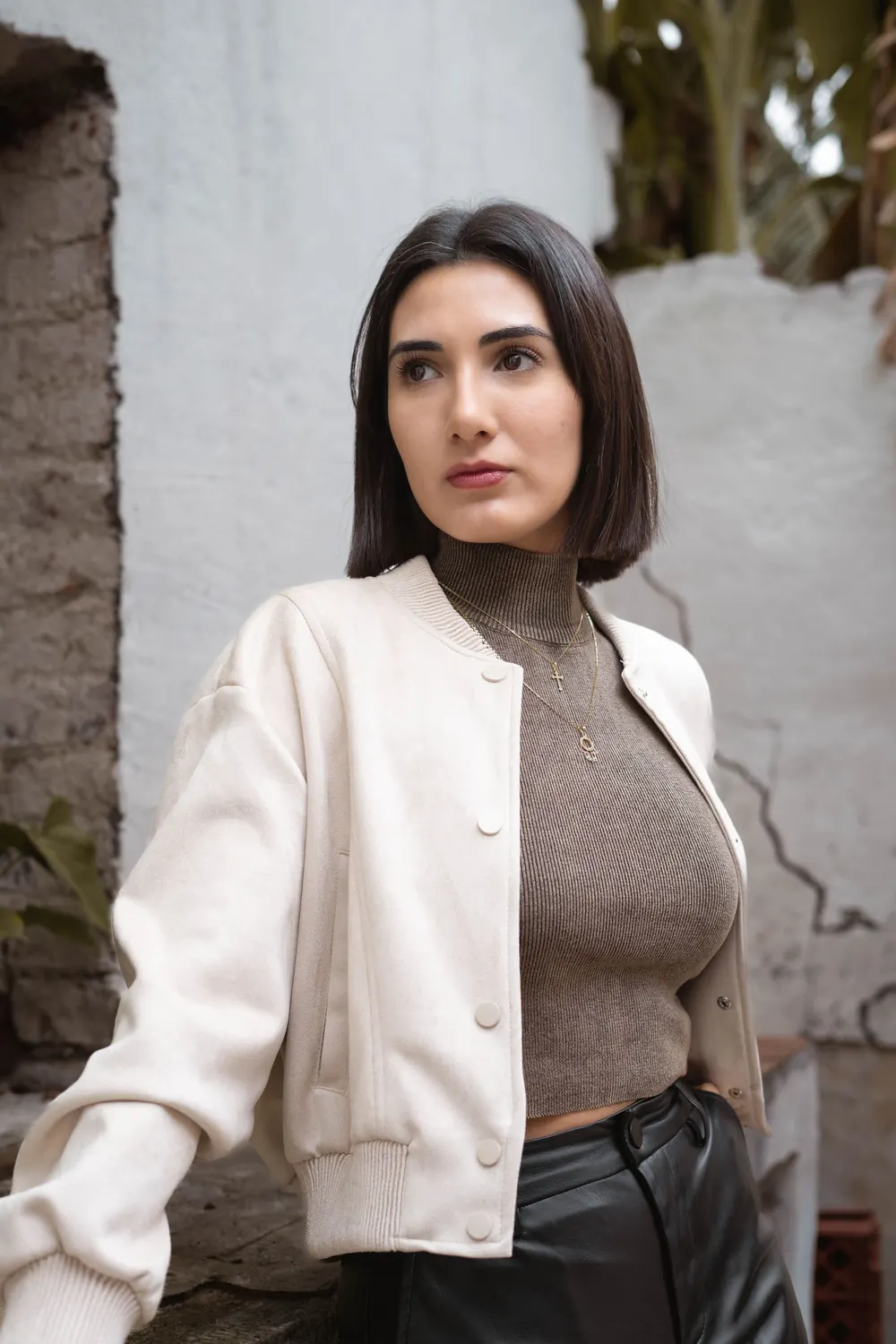
Lobs for different hair types
Fine or thin hair: a blunt lob is best. One length concentrates density at the ends so hair looks fuller. Keep layers minimal and invisible.
Thick hair: ask for internal layers or texturising to remove bulk so the cut does not form a triangle. A layered or angled lob sits more neatly.
Wavy hair: a lob is often the sweet spot, short enough for waves to spring up but long enough to stay soft. Long layers enhance the pattern.
Curly hair: ask for a dry or curl-by-curl cut by a stylist experienced with curls, with layers shaped so the curls stack evenly rather than forming a heavy base.
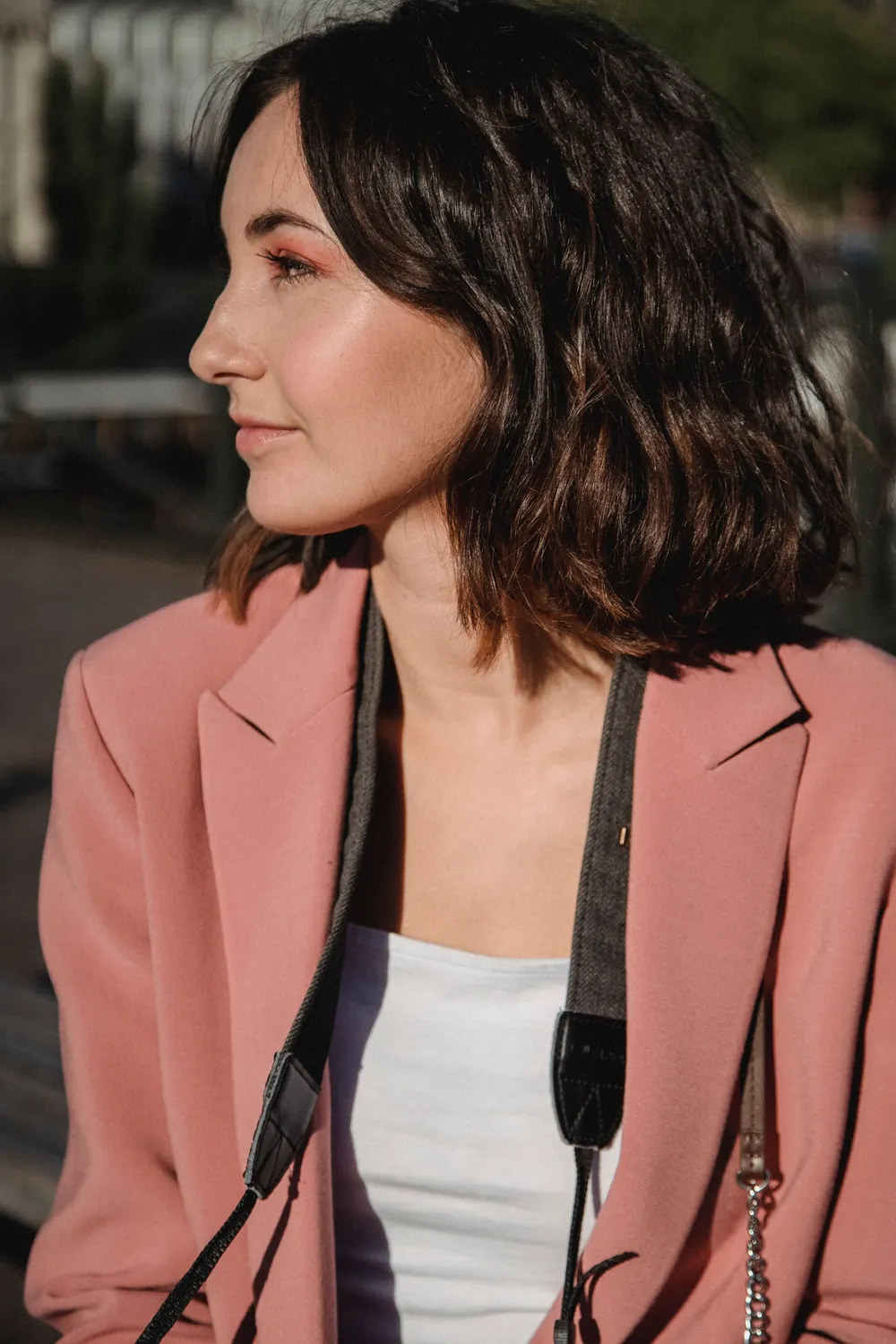
What to ask your stylist
Clear language saves disappointment. Bring two or three photos of lobs on hair similar to yours, then cover these points:
- Length: say exactly where you want the ends to fall, for example "touching the collarbone when straight". Remember that wavy and curly hair shrinks when dry.
- Shape: blunt, layered, angled or textured.
- Front: whether you want face-framing pieces, curtain bangs or one length.
- Parting: middle or side changes how the cut is balanced.
- Styling time: explain how you usually wear your hair, so the cut works with your routine.
If you are cutting off a lot of length, ask the stylist to cut slightly longer first; you can always take more off.
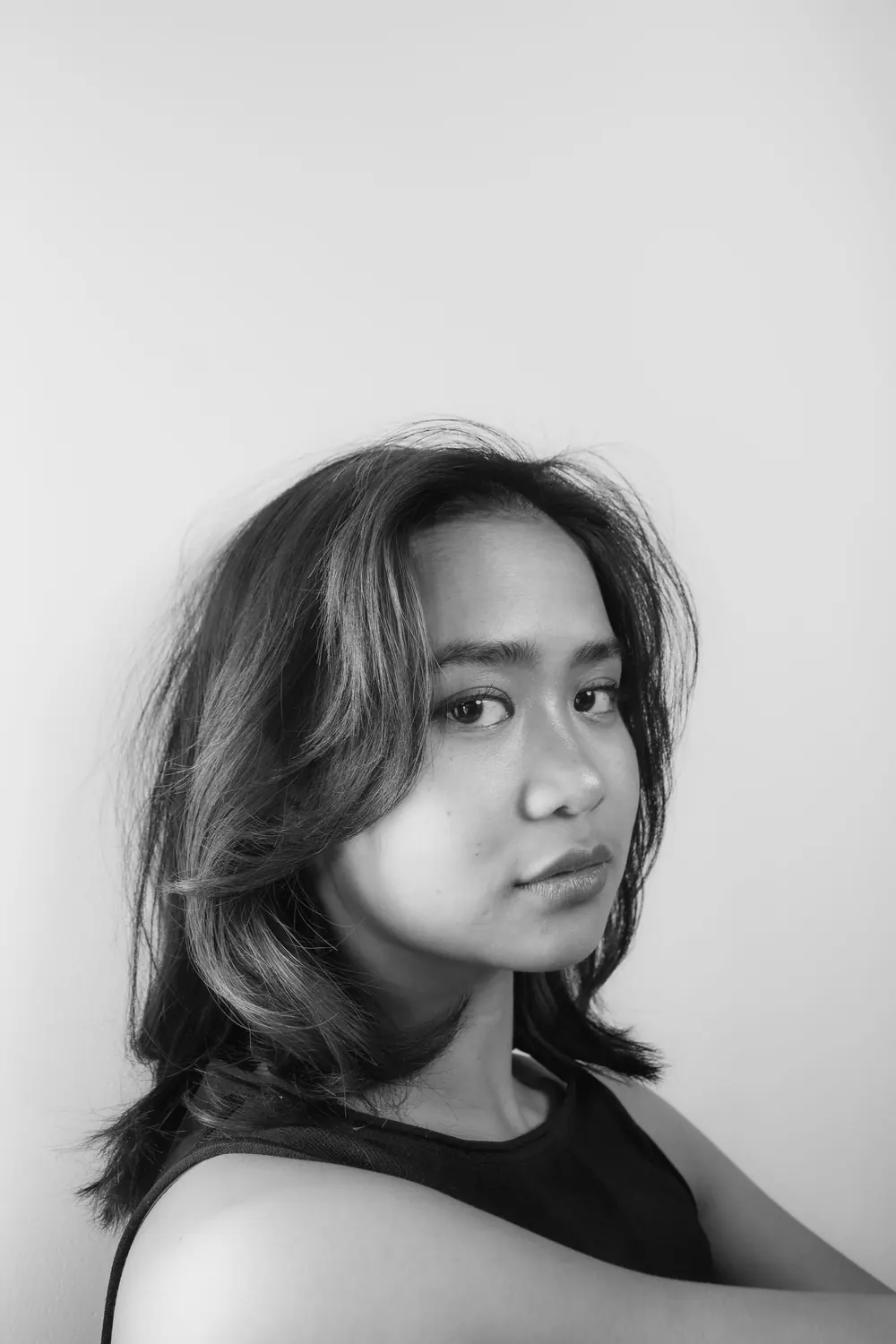
How to style a lob
Sleek and straight: blow-dry with a round brush, then smooth with a flat iron and tuck the ends slightly under. A drop of serum adds shine.
Effortless waves: use a 25 or 32 millimetre curling iron or a flat iron, alternating the direction of each section and leaving the last few centimetres straight. Finish with texture spray and shake out the waves with your fingers.
Air-dried texture: apply a light cream or mousse to damp hair, scrunch and leave to dry. Diffuse on low heat if your hair needs help.
Tucked and polished: tuck one side behind your ear and add a glossy finish for an elegant look that suits work and evenings.
Quick updos: a lob is long enough for a low knot, a half-up style or a claw clip twist.

Maintenance
A lob keeps its shape best with a trim every 8 to 10 weeks. Blunt cuts show growth faster, so stay closer to 8 weeks if you love a crisp line. Use heat protection before every styling session, and a weekly mask to keep the ends glossy, especially if you colour your hair.
Get the Style Journal Co letter
One thoughtful email a week with our newest guides and seasonal ideas. No spam, unsubscribe anytime.
FAQ
How long is a lob haircut?
A lob usually ends between just above the shoulders and the collarbone. It is longer than a classic bob, which ends around the chin.
Does a lob suit thin hair?
Yes. A blunt lob with minimal layering is one of the best cuts for fine or thin hair, because it keeps the ends full and dense.
Is a lob hard to maintain?
No. It needs a trim every 8 to 10 weeks and works with simple styling, from air-dried waves to a quick flat-iron finish.
Can you tie a lob back?
Most lobs are long enough for a low ponytail, a half-up style or a claw clip, especially if they reach the collarbone.
Save this guide for later — this image is sized for pinning.
Some posts may contain affiliate links; see our disclosure. Photography: Anastasia.Mesyanchikova; Guan Yoanda; E. Alfro; Bethany Ferr; Oliver Dohrn; Chu Chup Hinh; Becca Correia; Игорь Лушницкий; Astra Zilberte-Linde; Min An; CHEN CHEN; Felix Young; Andrea Paci Cresti; 大 董 via Pexels.