Headband Hairstyles: Easy Ways to Wear Padded, Knotted, Pearl and Scarf Headbands
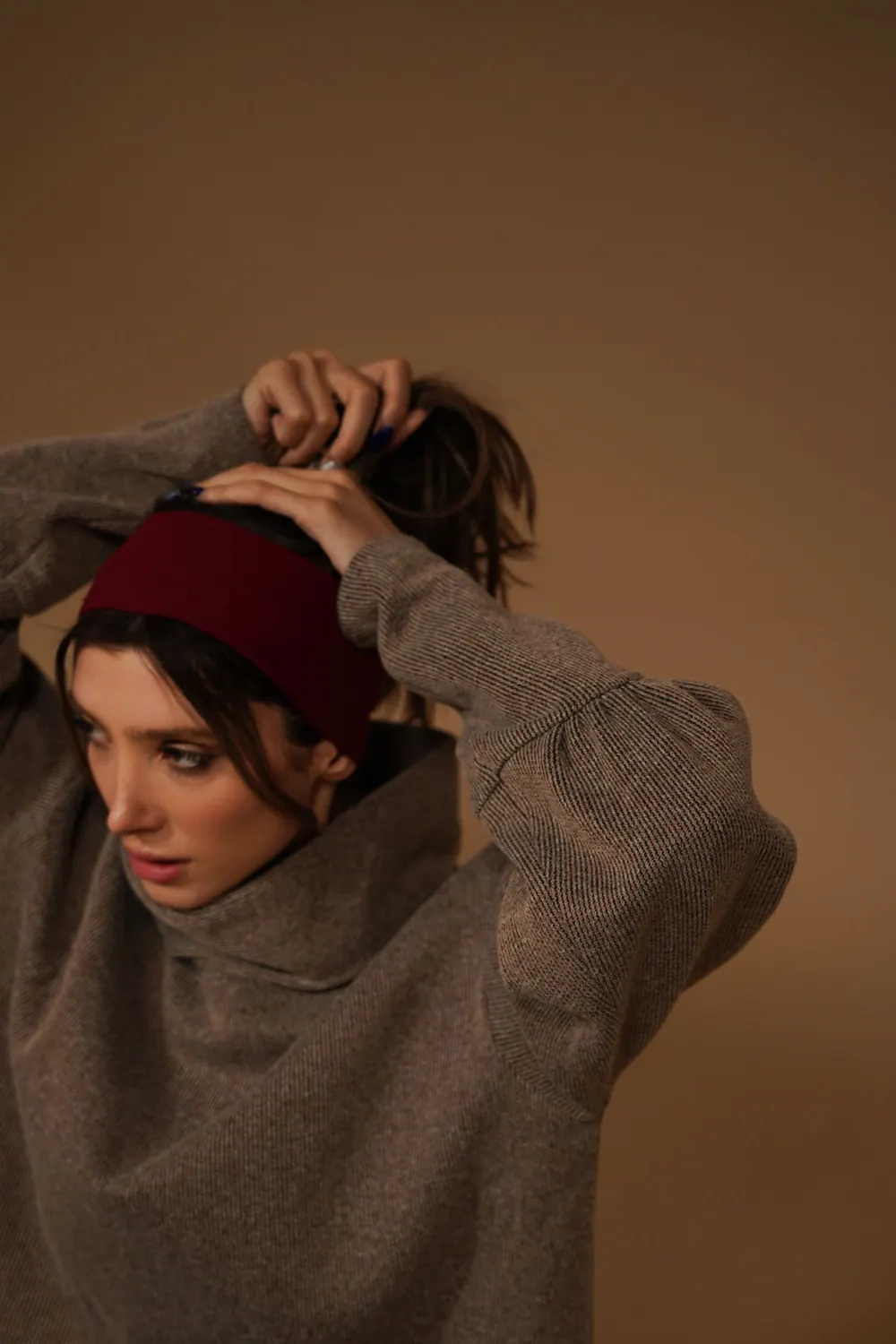
Headband hairstyles for every hair length and occasion: padded, knotted, velvet, pearl, scarf and thin headbands, how to wear them with loose hair, waves, ponytails, buns and braids, plus fit tips that prevent headaches.
Headband hairstyles are one of the easiest ways to make your hair look finished. A headband pushes hair off your face, hides second-day roots, adds polish to a simple outfit and instantly dresses up a style for the holidays. From padded velvet bands to delicate pearl designs and printed silk scarves, there is a headband for every hair type, face shape and occasion. Here is how to choose one and wear it well.
Types of headbands
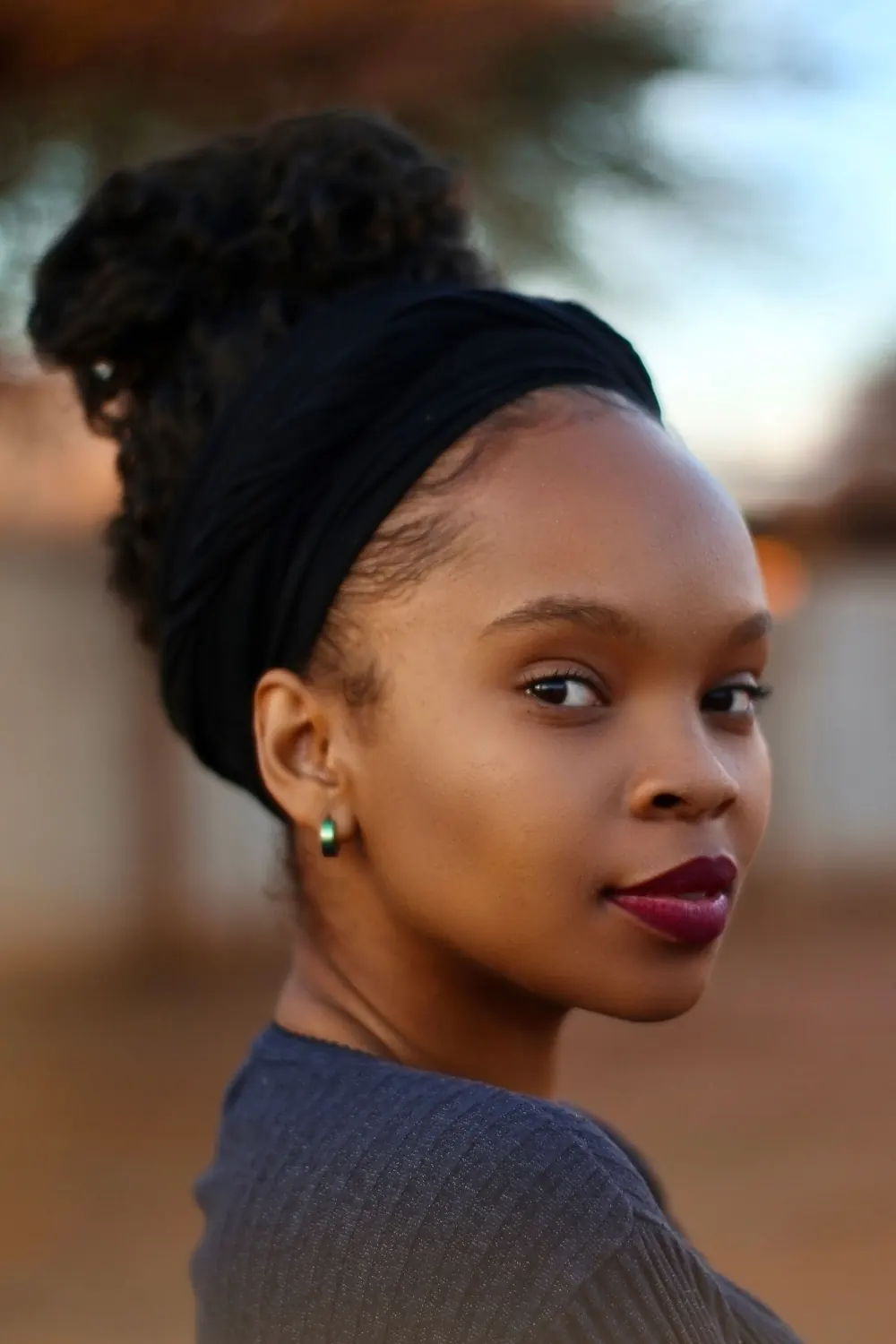
- Padded headbands: wide, cushioned bands that add volume at the crown. Very elegant in velvet, satin and tweed.
- Knotted headbands: a fabric band with a top knot detail; playful and flattering.
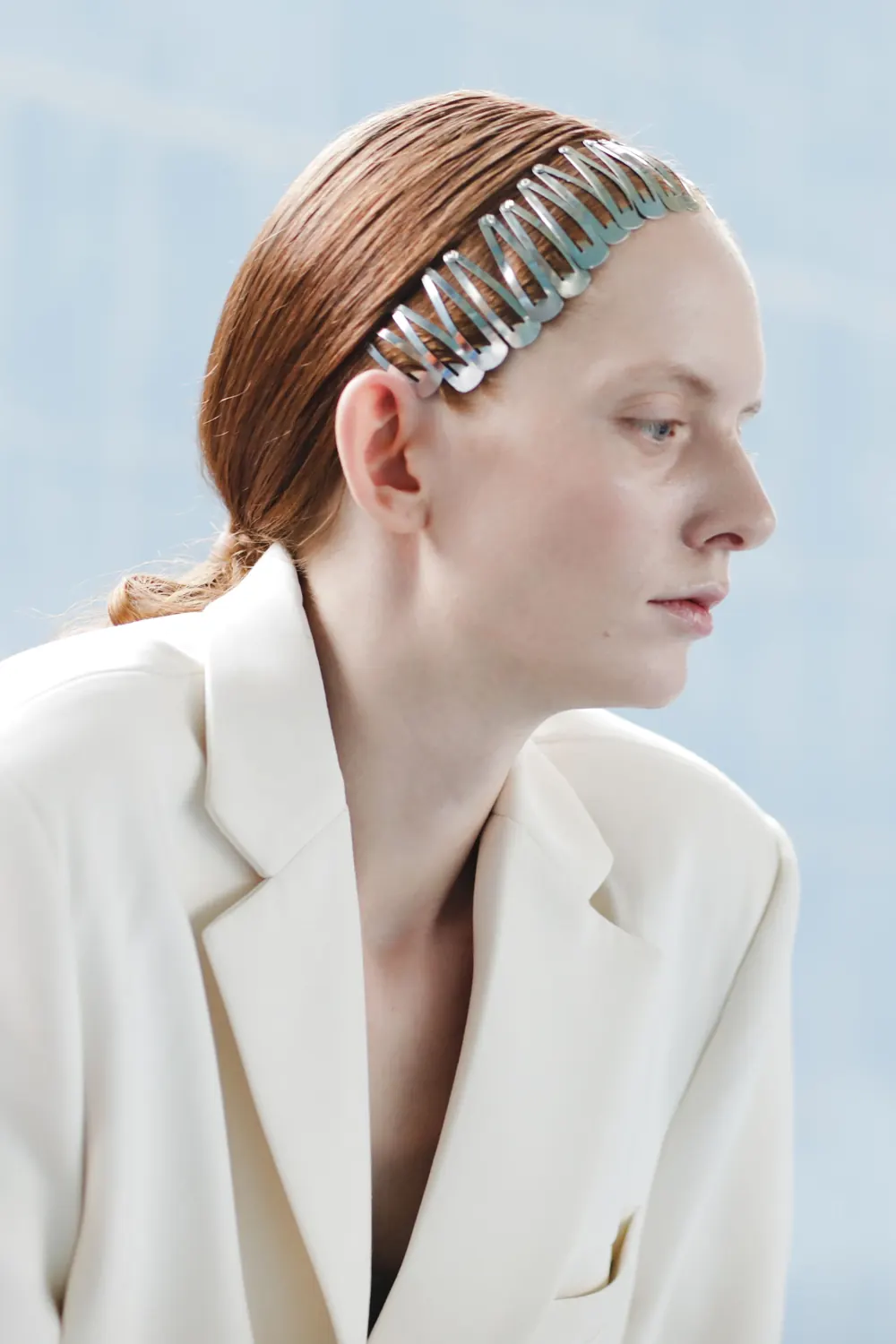
- Thin headbands: slim metal, tortoiseshell or fabric bands for a minimal look.
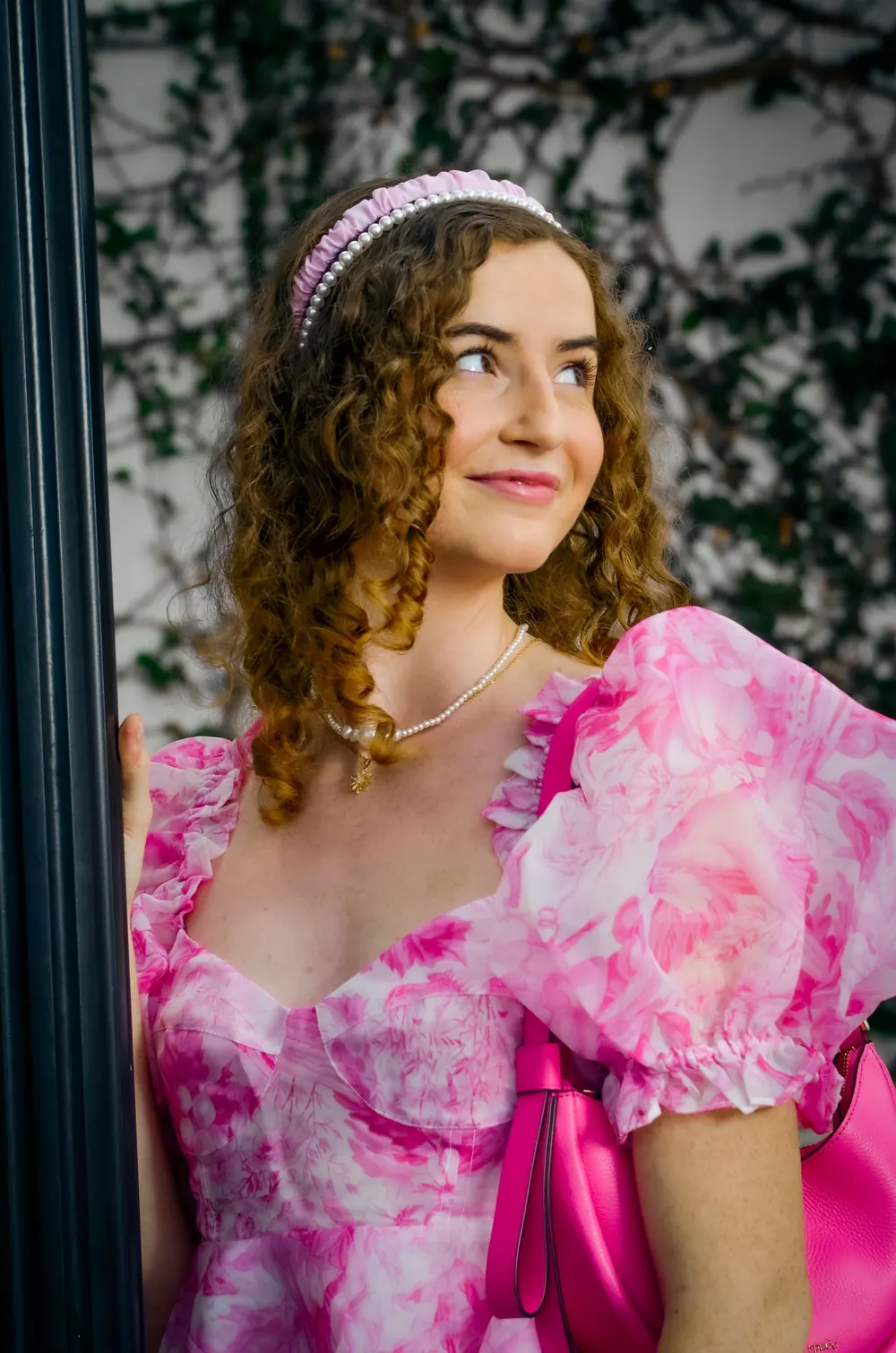
- Embellished headbands: pearl, crystal or beaded designs for parties, weddings and festive events.
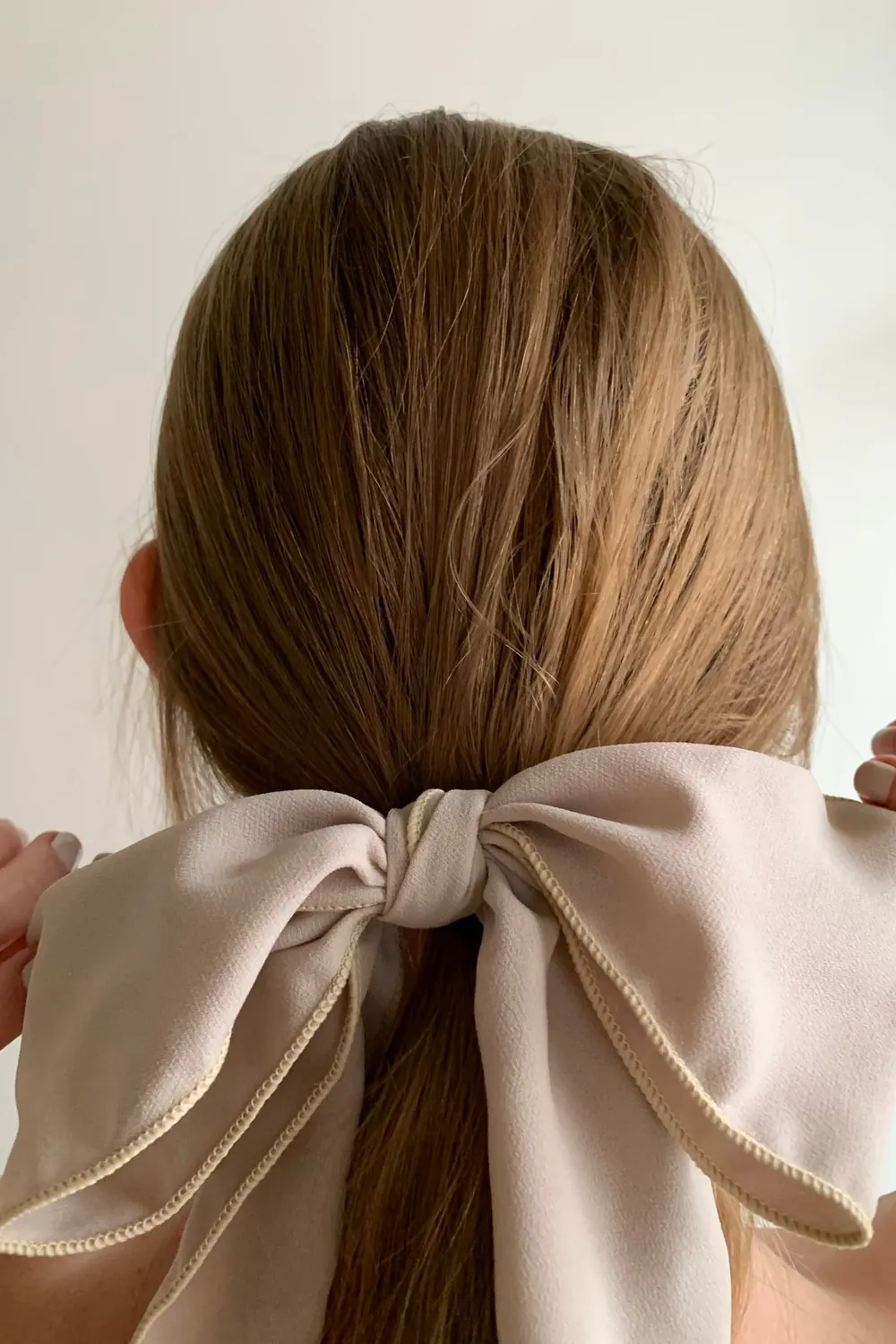
- Scarf headbands: a silk scarf folded and tied at the nape or top of the head.
- Stretchy fabric bands: soft, comfortable bands for workouts, skincare and casual days.
- Teeth or comb headbands: have small combs underneath for extra grip on fine or slippery hair.
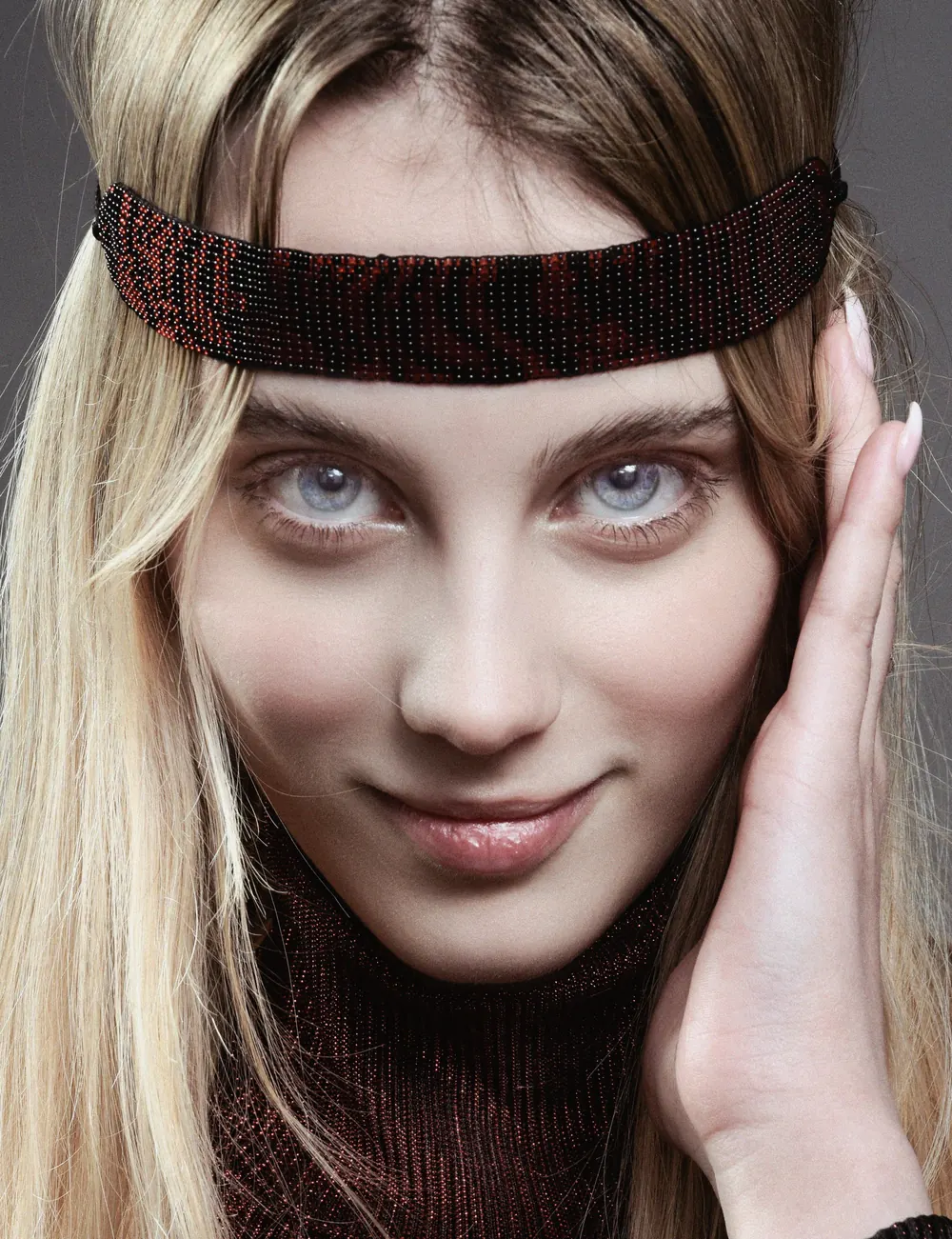
How to choose the right headband
- Face shape: wider, padded bands suit oval and long faces; thinner bands sit well on round faces; knotted bands soften square jawlines.
- Hair texture: fine hair grips best with velvet, fabric or comb-lined bands; thick hair needs a flexible band that will not pinch.
- Comfort: the band should sit snugly without pressing behind the ears. A band that is too tight causes headaches.
- Colour: match your outfit, pick a contrasting accent or choose neutrals such as black, cream and tortoiseshell that go with everything.
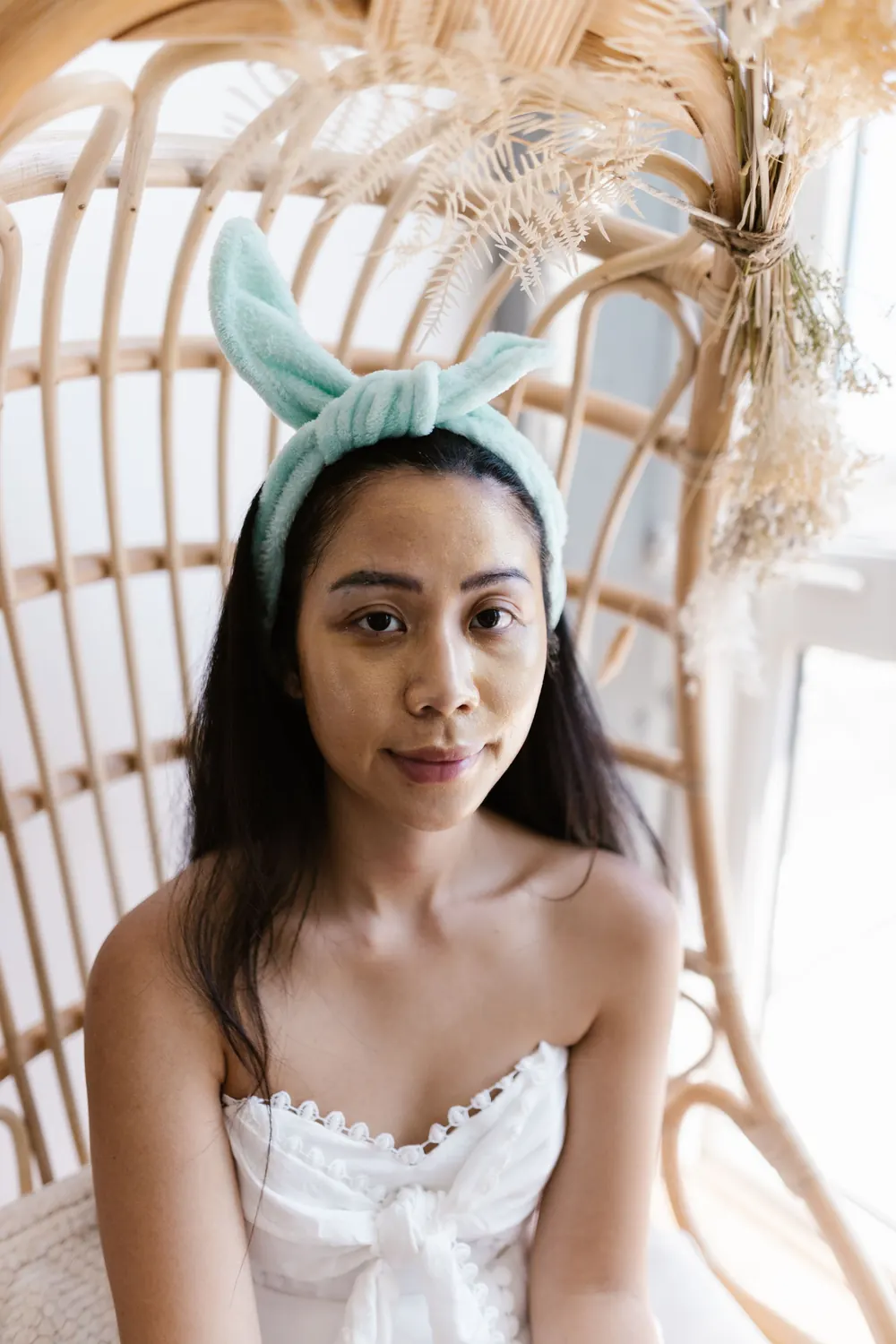
Headband with loose, straight hair
- Brush hair smooth and add a little shine serum.
- Place the band about 3 to 5 cm behind the hairline.
- Pull a few face-framing strands forward for softness, or keep everything back for a sleek look.
- Lift the crown: push the band slightly forwards to create a small lift at the back.
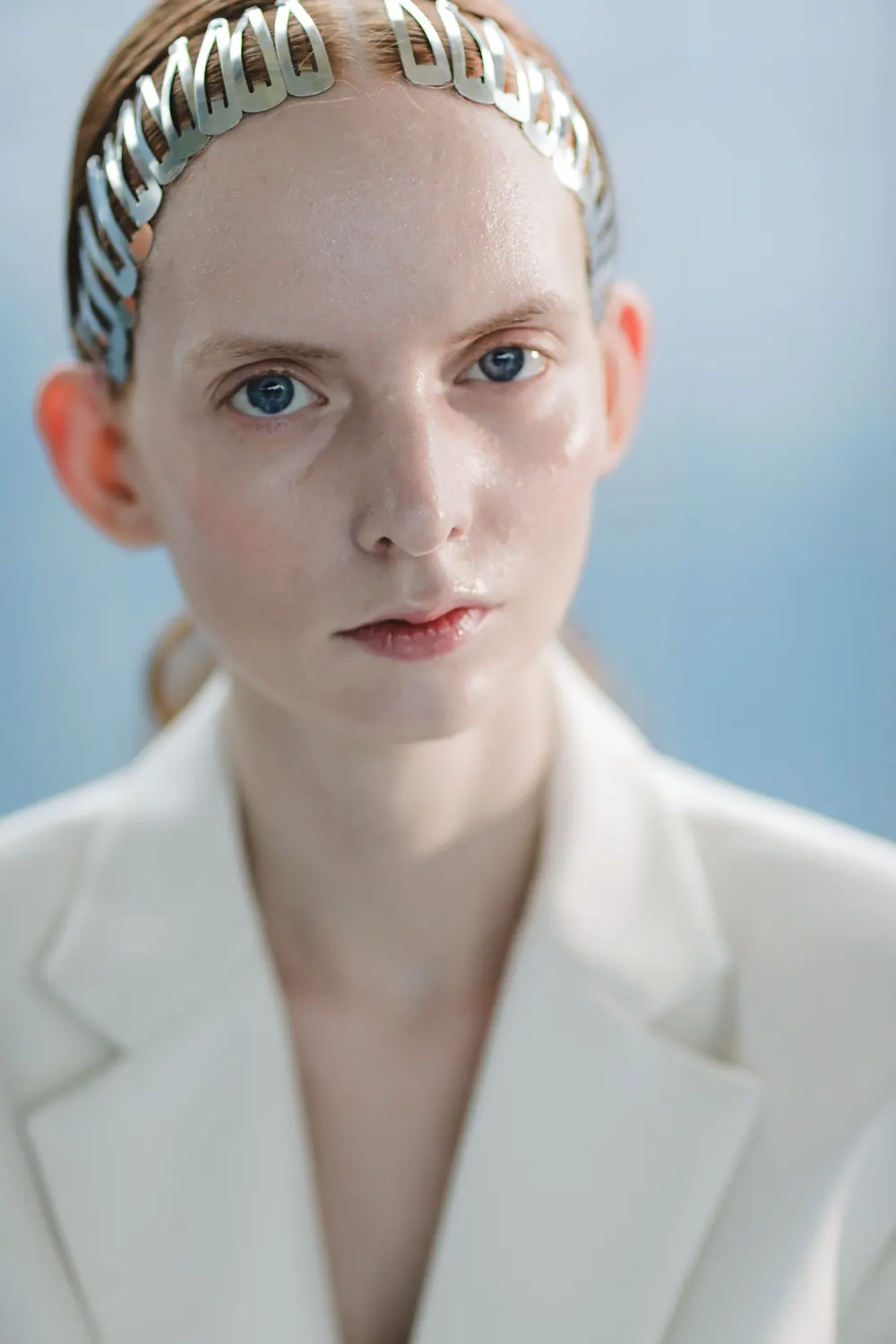
Headband with waves and curls
- Curl or wave the hair first, then add the band so it does not flatten the curls.
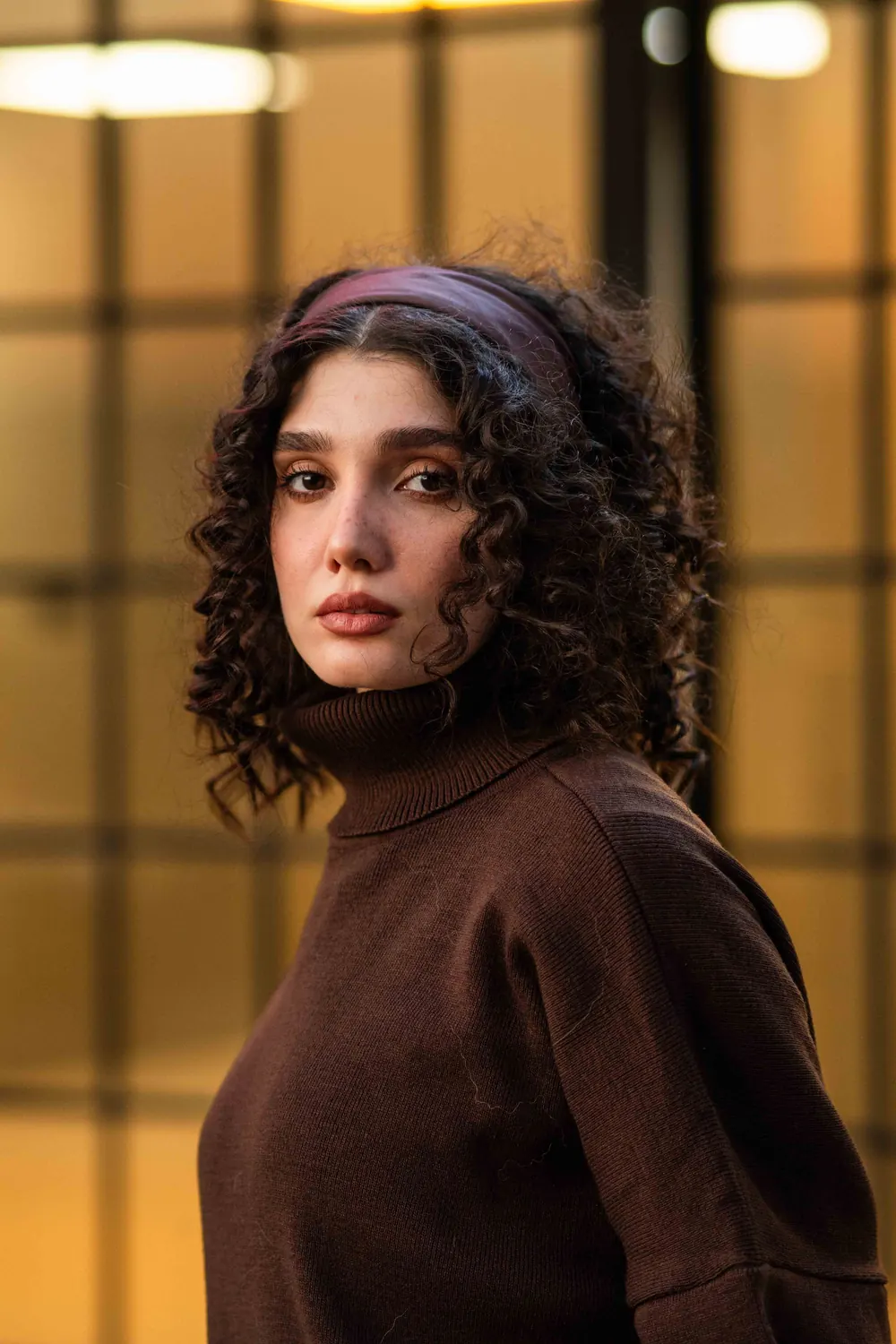
- Natural curls: a wide fabric or knotted band sits beautifully and keeps curls off the face.
- Volume: gently tease the crown before adding the band for a sixties-inspired shape.
- Finish: scrunch with a little cream to define curls around the band.
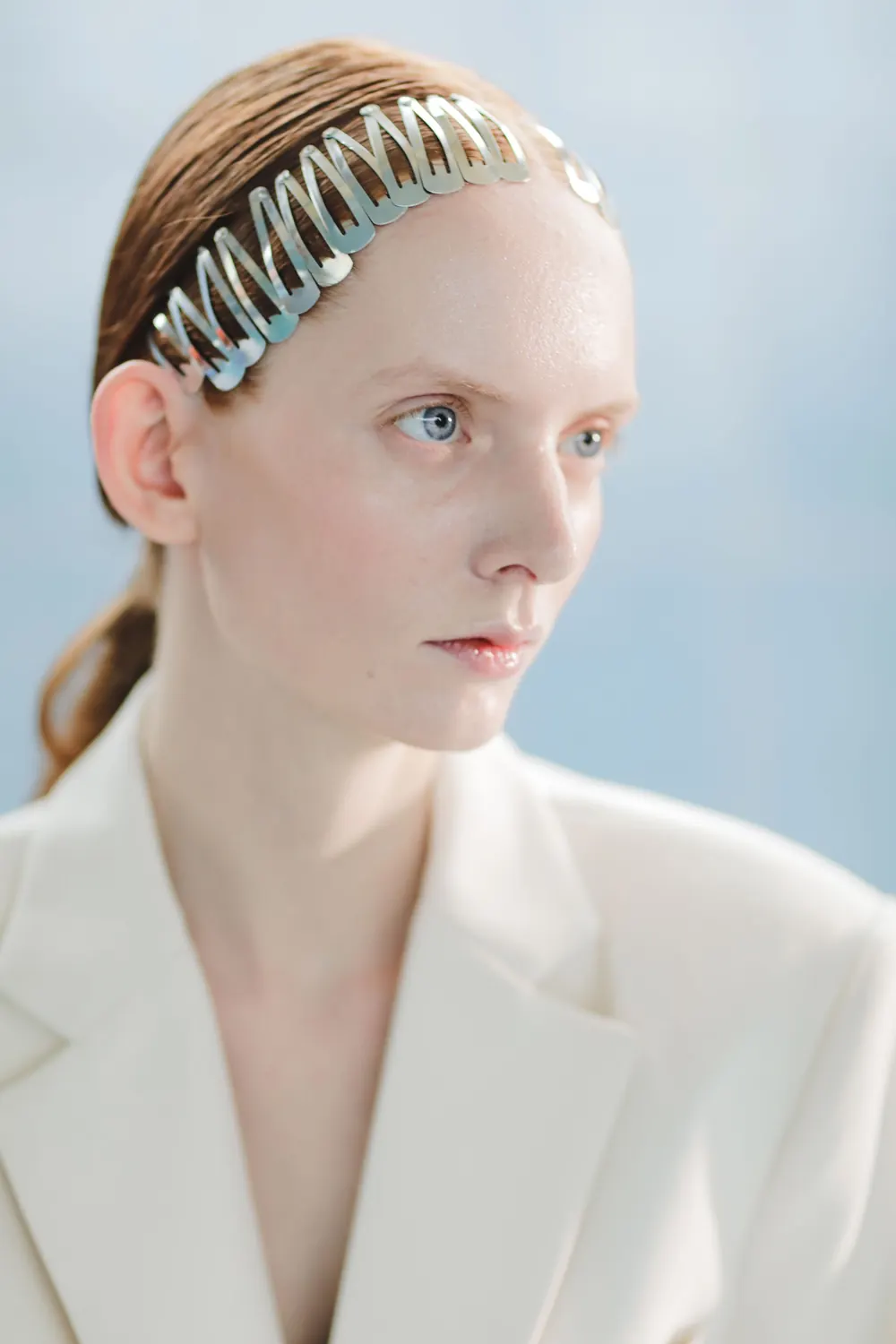
Headband with a ponytail
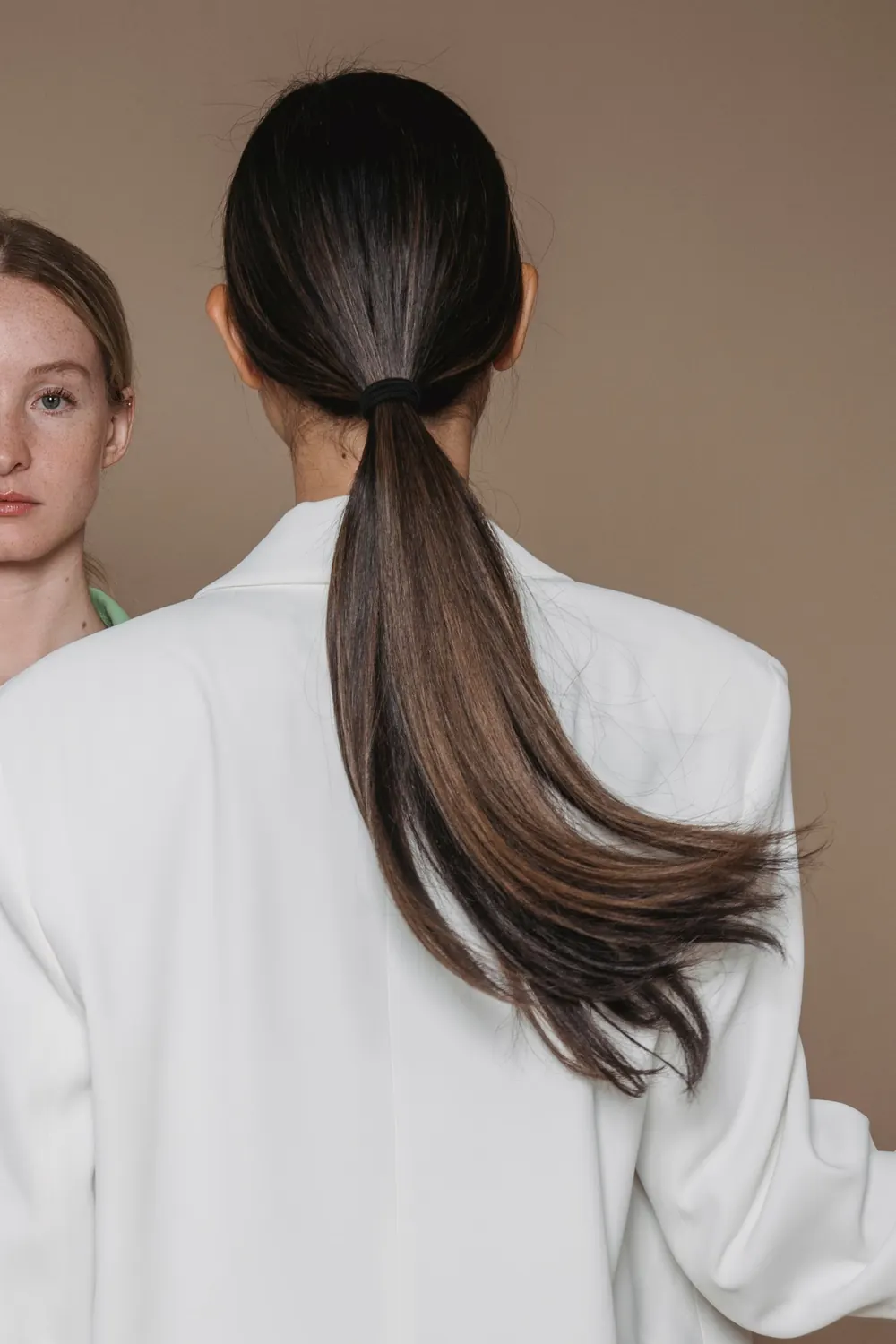
- Low ponytail: pair with a thin pearl or velvet band for an elegant work or event look.
- High ponytail: a padded band adds height and a retro, playful feel.
- Smooth the roots before adding the band so it sits flat.
Headband with buns and updos
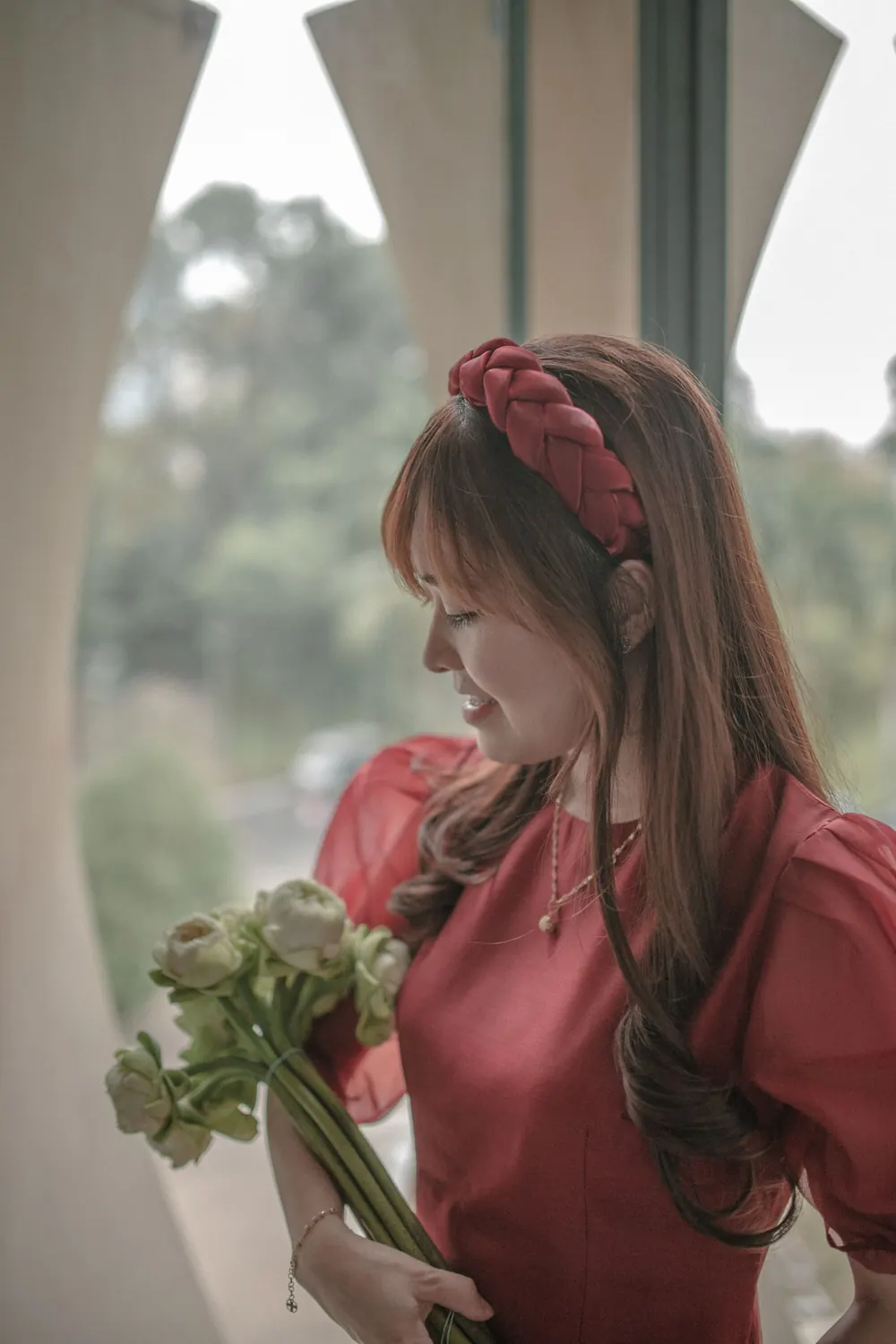
- Low bun: brush hair back, tie a low bun and slide a padded band in place. Chic for office and dinners.
- Messy bun: a thin or knotted band keeps baby hairs neat while the bun stays relaxed.
- Chignon: an embellished band turns a simple chignon into a wedding or party style.

Headband with braids
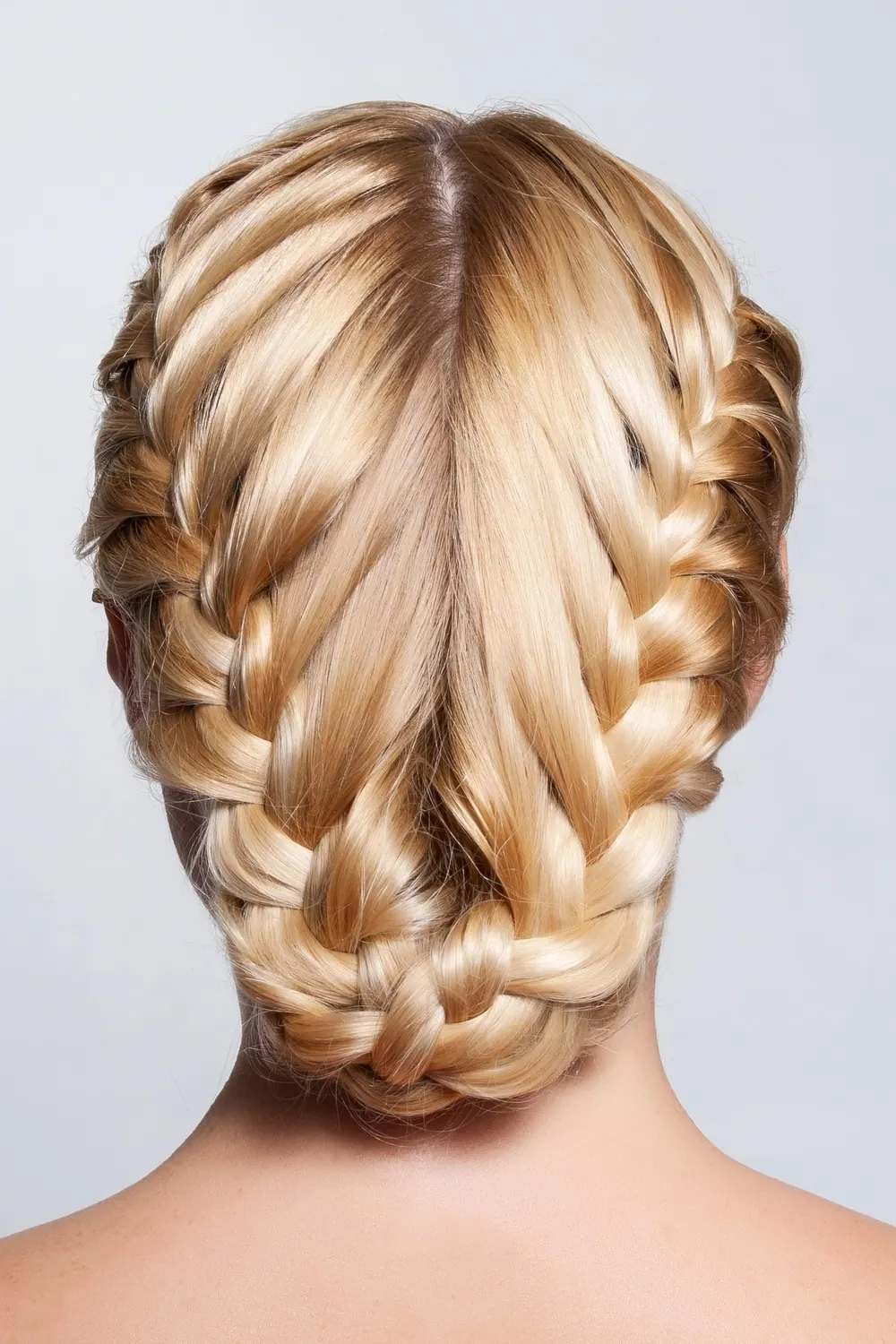
- Side braid: a band holds front sections while a braid sweeps over one shoulder.
- Two braids: a soft fabric band with two low braids looks youthful and casual.
- Braided crown alternative: a braided fabric headband mimics a crown braid in seconds.
Headband hairstyles for short hair
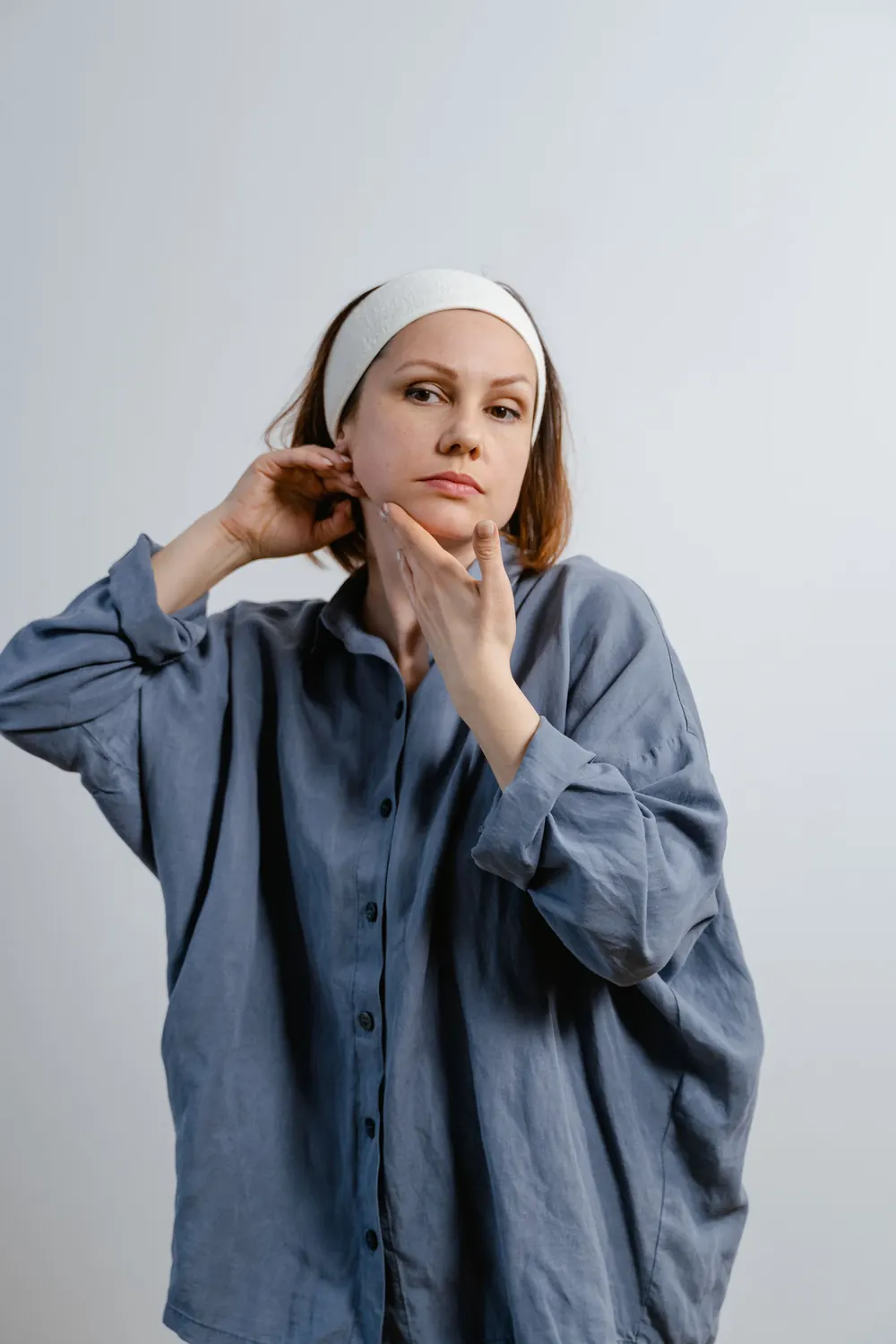
- Pixie cuts: a thin band or slim scarf adds detail and keeps the fringe back.
- Bobs: tuck the sides behind your ears under a padded or knotted band.
- Fringes: wear the band behind the fringe to show it off, or sweep the fringe back for a change.
Scarf headbands
- Folded band: fold a square silk scarf into a long strip and tie it at the nape under your hair.
- Top knot: tie the scarf at the top of the head with the ends tucked in or left visible.
- Over the hair: let the scarf ends hang over a ponytail or braid.
- Seasonal swaps: florals for spring, checks and tartan for autumn and velvet for winter.
Headbands for the holidays and events
- Velvet padded bands in burgundy, emerald or black for Christmas parties.
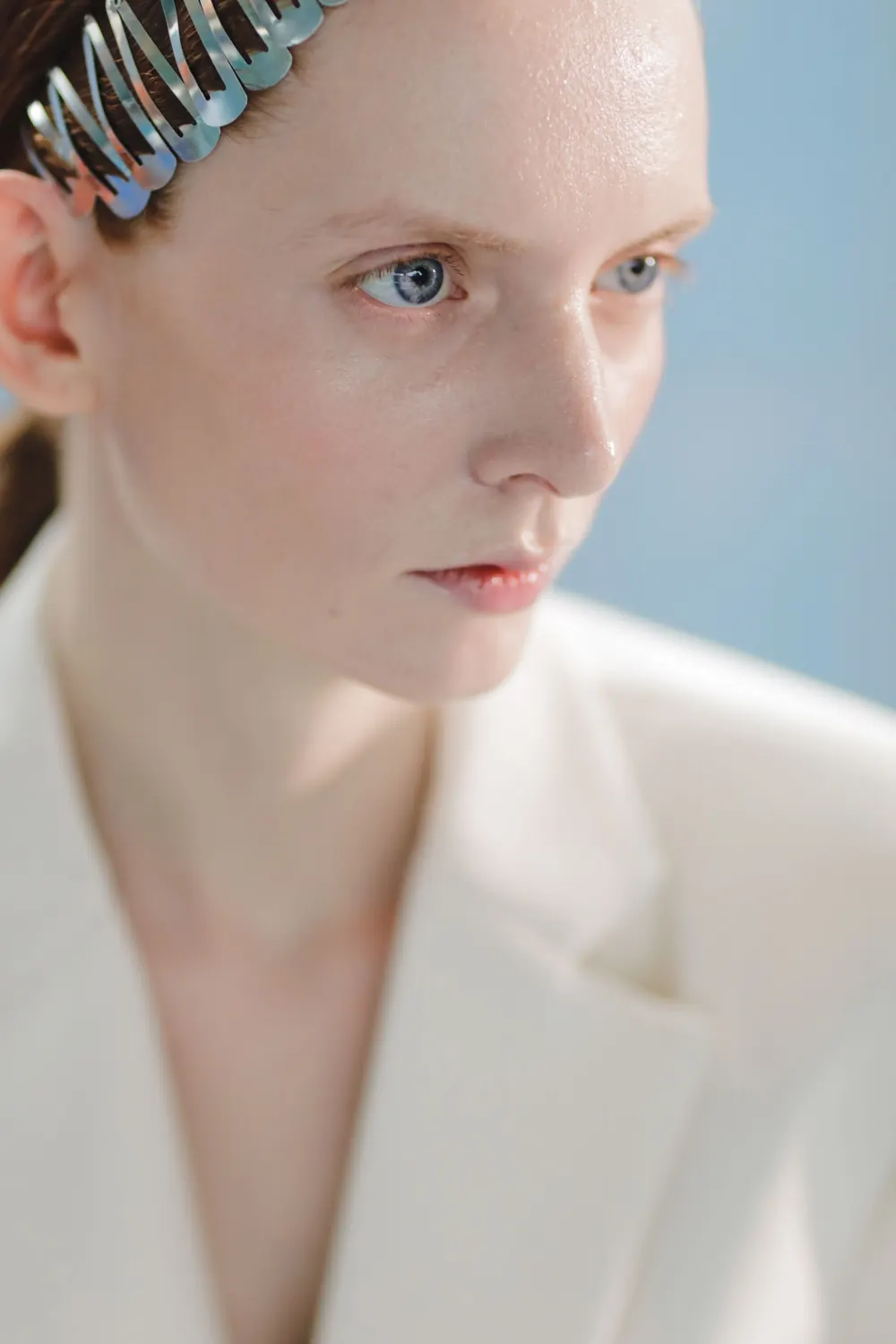
- Pearl or crystal bands for weddings, New Year's Eve and formal dinners.
- Satin bands with a bow detail for a festive, playful finish.
- Keep the rest simple: let the headband be the statement and pair it with soft makeup and small earrings.
Keeping a headband in place
- Add texture with dry shampoo or texture spray on clean, slippery hair.
- Use bobby pins crossed in an X behind each ear.
- Choose bands with grip, such as velvet, fabric or comb-lined designs.
- Position correctly: the band should sit just behind the ears at the sides.
Caring for your headbands
- Clean fabric bands gently by hand with mild soap and let them air dry flat.
- Store padded bands upright or on a stand so they keep their shape.
- Wipe embellished bands with a soft cloth and keep them away from perfume and hairspray.
Common mistakes to avoid
- Wearing a band that is too tight, which causes headaches and dents.
- Placing it too far forward so it sits on the forehead.
- Flattening volume by adding a band before styling.
- Overloading accessories: a statement band rarely needs extra clips.
Headband hairstyles are quick, flattering and endlessly versatile. Choose a shape and material that suit your hair and face, style the hair first and position the band comfortably just behind the hairline. From an everyday thin band to a velvet padded style for the holidays, a headband is the simplest way to make any hairstyle look finished.
Get the Style Journal Co letter
One thoughtful email a week with our newest guides and seasonal ideas. No spam, unsubscribe anytime.
Save this guide for later — this image is sized for pinning.
Some posts may contain affiliate links; see our disclosure. Photography: sara kazemi; Alexander Krivitskiy; RDNE Stock project; cottonbro studio; cottonbro studio; Thới Nam Cao; Ron Lach; MART PRODUCTION; amin naderloei; cottonbro studio; Xzibeat Da Grinder; Truman Rexti; cottonbro studio; Anna Tarazevich; cottonbro studio; Chu Chup Hinh via Pexels.