Claw Clip Hairstyles: Easy Looks That Stay Put
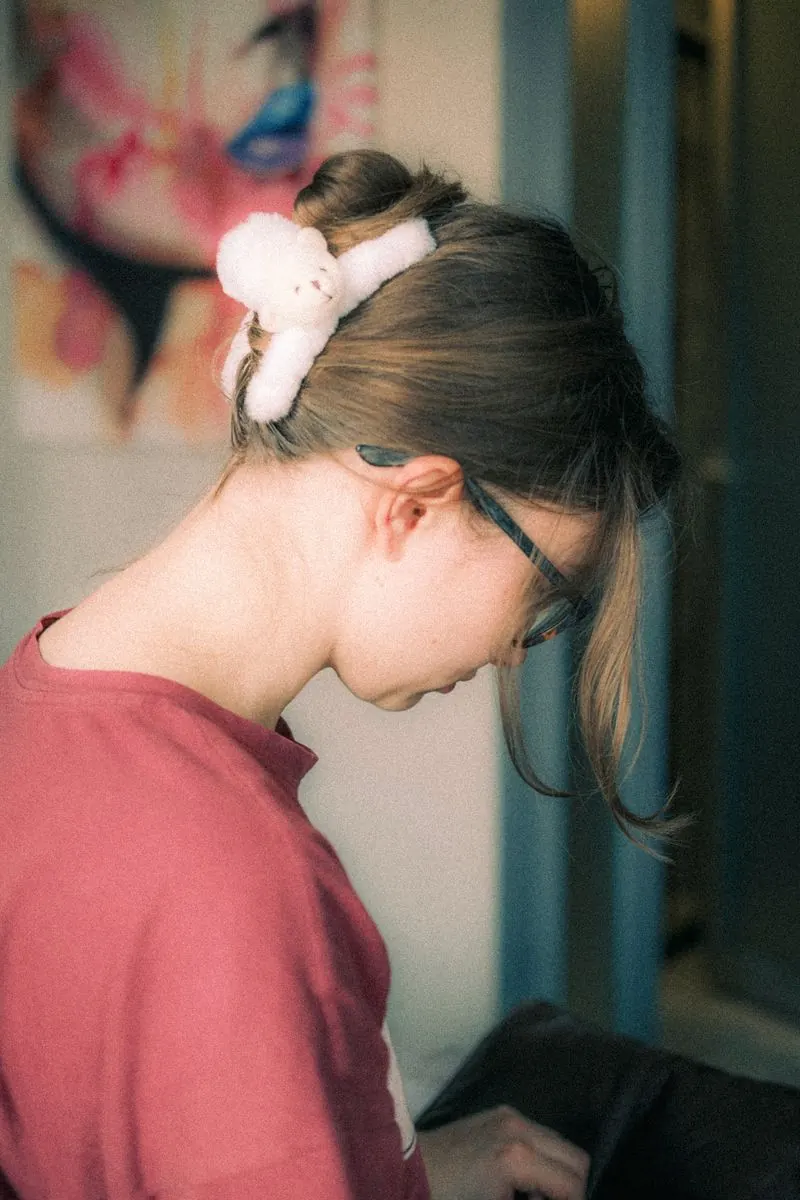
Claw clip hairstyles that stay put: how to choose the right clip size, easy looks for short, medium and long hair, the hook method that actually holds, and fixes for fine, thick and curly hair.
A claw clip can look polished in thirty seconds, or it can slip out by the time you reach the door. The difference is almost never the hairstyle itself. It is the size of the clip, where you place it and how you load the hair into it. These claw clip hairstyles cover the everyday looks that work, then the small techniques that keep them in place on fine, thick and curly hair.
Choose the right clip
The clip should match the amount of hair you are holding, not just the look you like.
- Small clips (about 5 cm): best for short hair, bangs, half-up styles or a small twist at the nape.
- Medium clips (7 to 9 cm): the everyday size for medium hair and most half-up or low bun looks.
- Large or extra-large clips (10 cm and up): for long or thick hair, or a full updo. A pretty medium clip on thick hair will pop open.
A slightly curved clip follows the head better than a flat one. Teeth should be smooth and close firmly. Matte or finely ridged finishes grip better than a high-gloss plastic. If you have fine hair, look for closer teeth; if you have thick hair, look for a wide jaw and strong spring.
Everyday looks
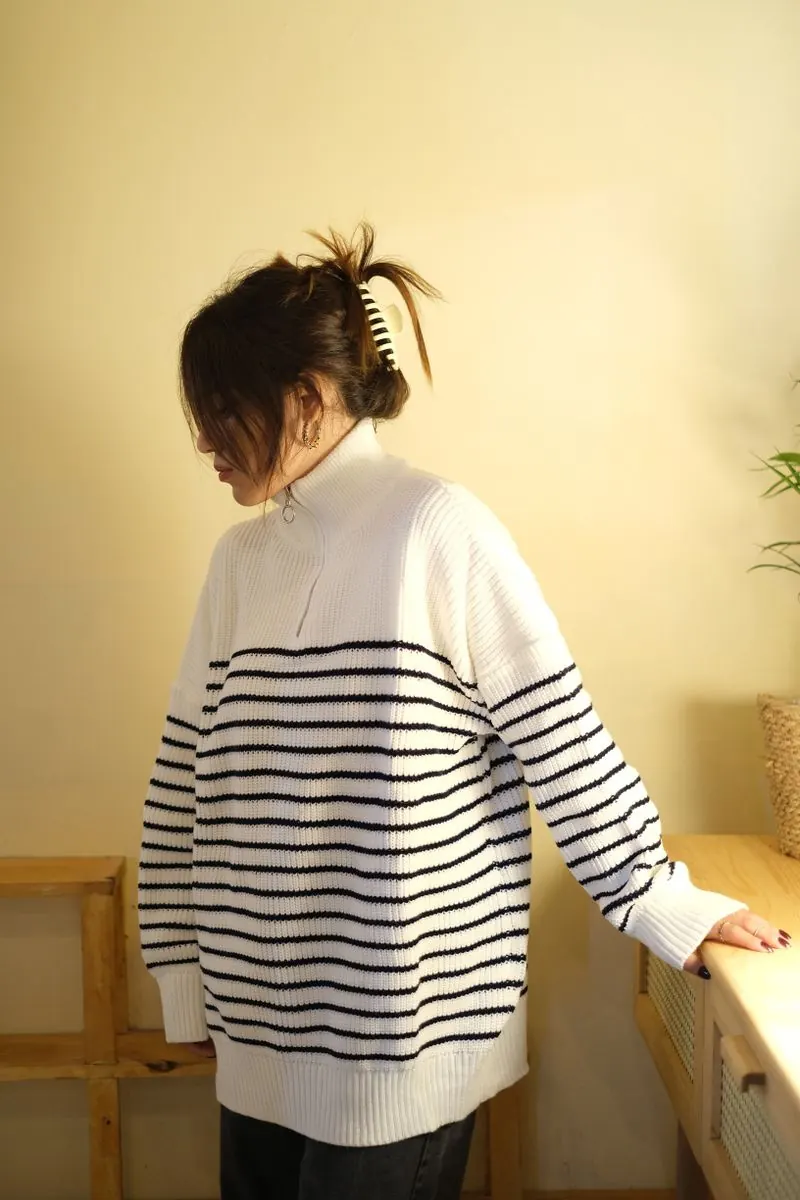
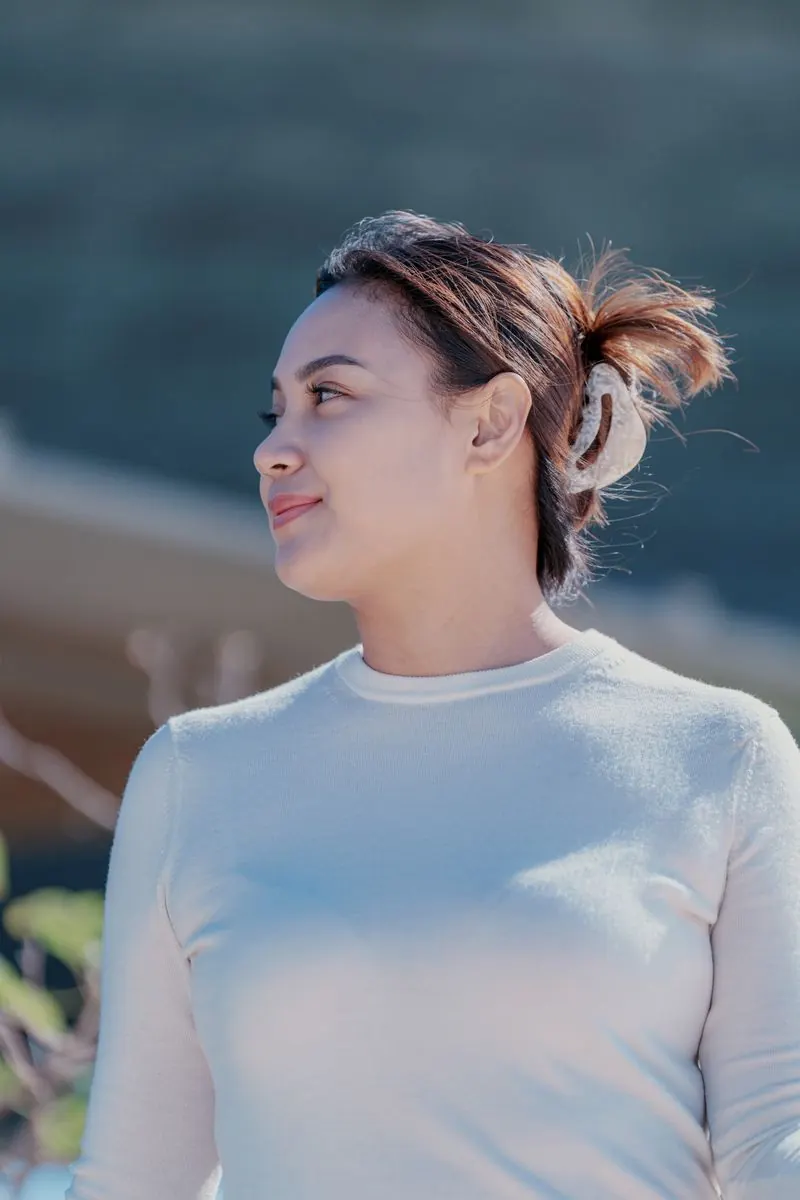
The twisted crown (or “hook”) updo. Tilt your head forward, gather the hair as if for a low ponytail, twist it loosely until it coils, then hook the coil into the open clip and close it toward your head. This is the most secure everyday style for medium and long hair.
The low bun. Twist a low ponytail and fold it up, then clip at the nape. Softer and slightly more formal than a high twist.
Half-up claw clip. Take the top section from temple to temple, twist once, and clip at the back of the crown. Leave a few face-framing pieces out. This works on shorter cuts and on days when you want the rest of the hair down.
The French-twist clip. Sweep the hair to one side, roll it vertically up the back of the head and clip along the roll. It looks dressed without feeling stiff.
Claw over a ponytail. Put hair in a low or mid ponytail first, then wrap the tail into a bun and clip over the band. The elastic does the holding; the clip does the styling. Useful for workouts, travel and fine hair.
Messy French twist or “recession” twist. Take the sides back, twist them into the back hair and clip slightly off-centre. Good with waves or second-day hair.
How to make it stay
- Start with hair that is not freshly silky. Day-old hair, or a light mist of texturising spray or dry shampoo at the roots, gives the teeth something to hold.
- Gather the hair with a slight lift at the crown if you want volume, or smooth it for a sleeker look.
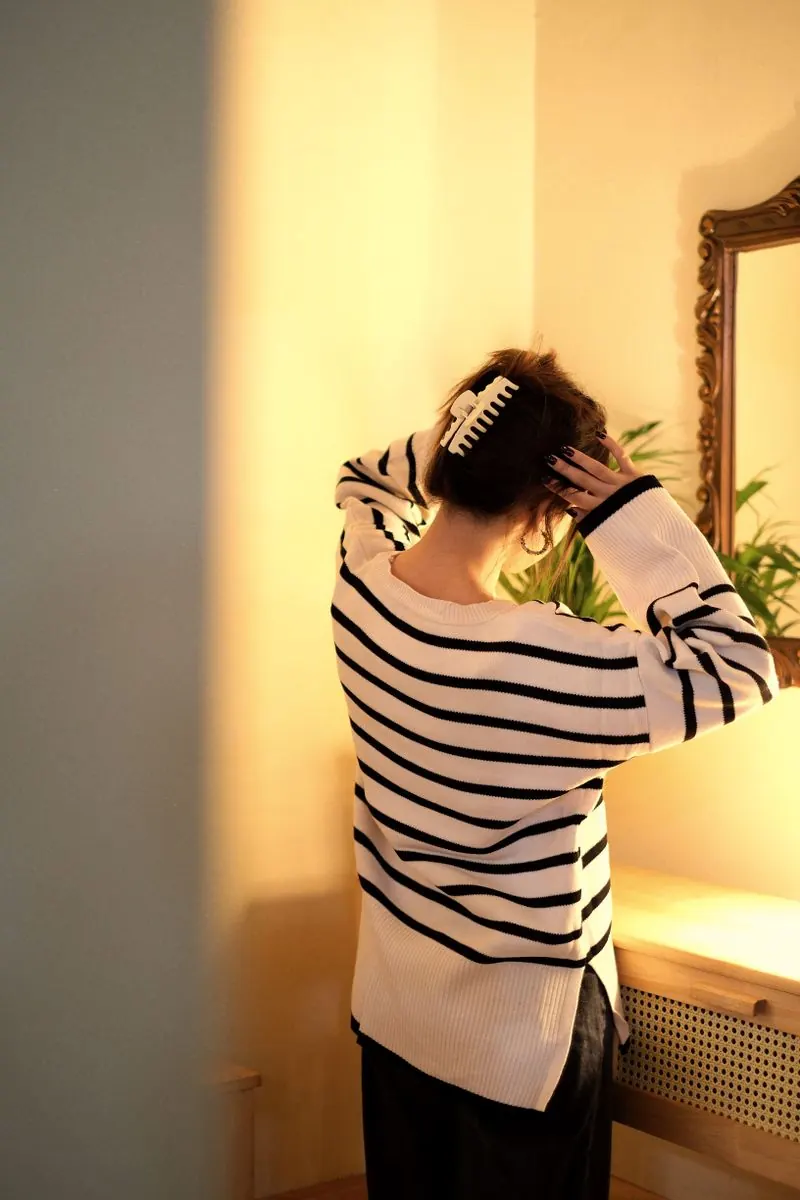
- Open the clip fully. Place the bottom jaw against the head first, hook the twist or fold into it, then close the top jaw over the hair. Closing it in mid-air and then pressing it on is why clips slide out.
- The clip should sit flat against the head, not perched on a loose bun. If it rocks when you move, undo it and take a smaller section, or use a larger clip.
- For long hair, fold the ends into the clip rather than leaving a heavy tail hanging below, which pulls the clip down.
A second small clip, hidden underneath a large one, can rescue very thick hair. A couple of bobby pins at the sides help if you have layers that escape.
Short, medium, curly and fine hair
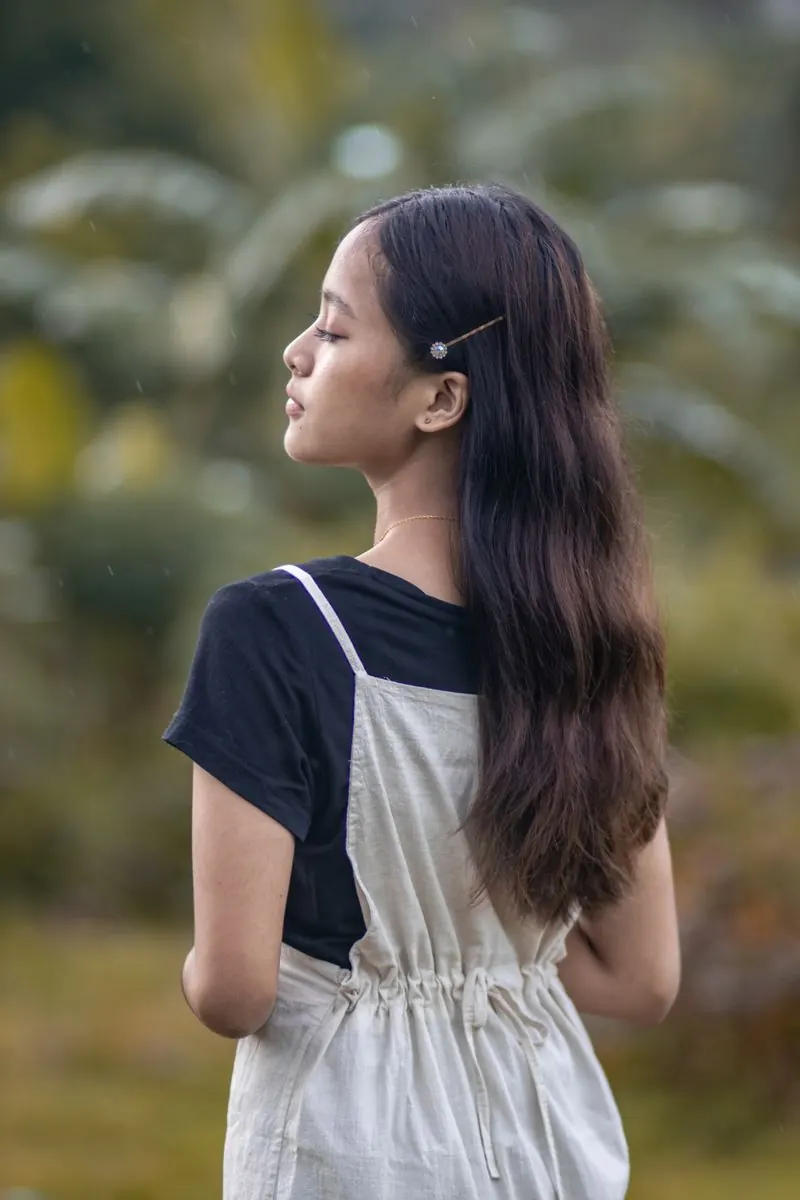
On a bob or a long pixie, use a small clip for a half-up twist or to hold a side section back. You will not get a full updo, and that is fine.
On medium hair, most of the looks above work. If layers spring out, leave them out on purpose as face-framing pieces rather than fighting them.
Fine hair benefits from teasing a little at the crown, using a smaller clip than you think, and the ponytail-first method. A clip that is too large will have nothing to bite.
Thick or long hair needs a large clip and a firmer twist. You can also split the hair into two twists and clip them together.
Curly and coily hair should be clipped on dry, defined curls, not pulled taut. A large claw at the crown for a half-up puff, or a twist clipped at the nape, protects the ends and keeps volume. Avoid clamping wet curls, which can leave a dent and stress the hair.
Placement and face shape
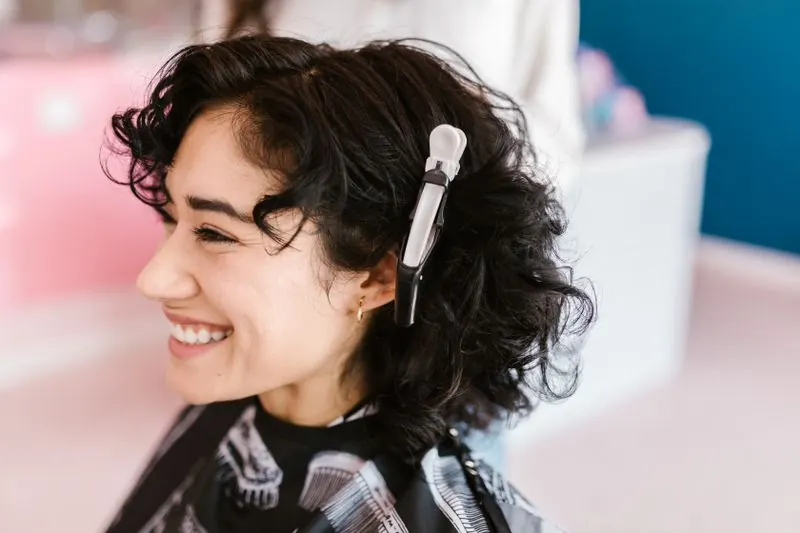
A clip set too high can look severe and is more likely to slip. For everyday wear, aim for the mid-back of the head or the nape. A slightly off-centre clip is usually more flattering than one placed dead centre on the top of the head.
If you have a round face, a little height at the crown and a few longer pieces left out will lengthen the face. A square jaw often looks softer with a looser twist and face-framing pieces. Fine, short bangs can be left down or clipped to the side with a mini claw.
Common mistakes
Using a clip that is too small is the first. The second is clipping perfectly clean, freshly conditioned hair with no texture. The third is placing the clip on top of a bun instead of hooking the hair into it. The fourth is pulling the style so tight that the clip has no slack to grip. Loosen the twist a little, then close the clip firmly against the head.
Get the Style Journal Co letter
One thoughtful email a week with our newest guides and seasonal ideas. No spam, unsubscribe anytime.
FAQ
How do you keep a claw clip from slipping out?
Use the right size, add a little texture, hook the hair into the bottom jaw first and close the clip flat against your head.
What size claw clip should I use?
Medium for most medium hair; large or extra-large for long or thick hair; small for short hair, bangs and half-up styles.
Do claw clip hairstyles work on short hair?
Yes, as half-up twists, side holds or mini clips at the nape. A full updo usually needs at least medium length.
Are claw clips damaging?
A smooth, well-sized clip worn in a style that is not pulled tight is generally gentle. Avoid clamping the same spot on wet hair every day, and do not sleep in a tight, sharp-toothed clip.
Save this guide for later — this image is sized for pinning.
Some posts may contain affiliate links; see our disclosure. Photography: Yusuf Çelik; İlknur Çelik; İlknur Çelik; THADEO MOSQUEDA; RDNE Stock project; Tokuo Nobuhiro; Sóc Năng Động; Miriam Alonso; Rylee Yi; Aljona Ovtšinnikova; Kiersten Williams; Aljona Ovtšinnikova; Rylee Yi via Pexels.