Beach Waves Hairstyles: Four Methods for Relaxed, Undone Waves That Last
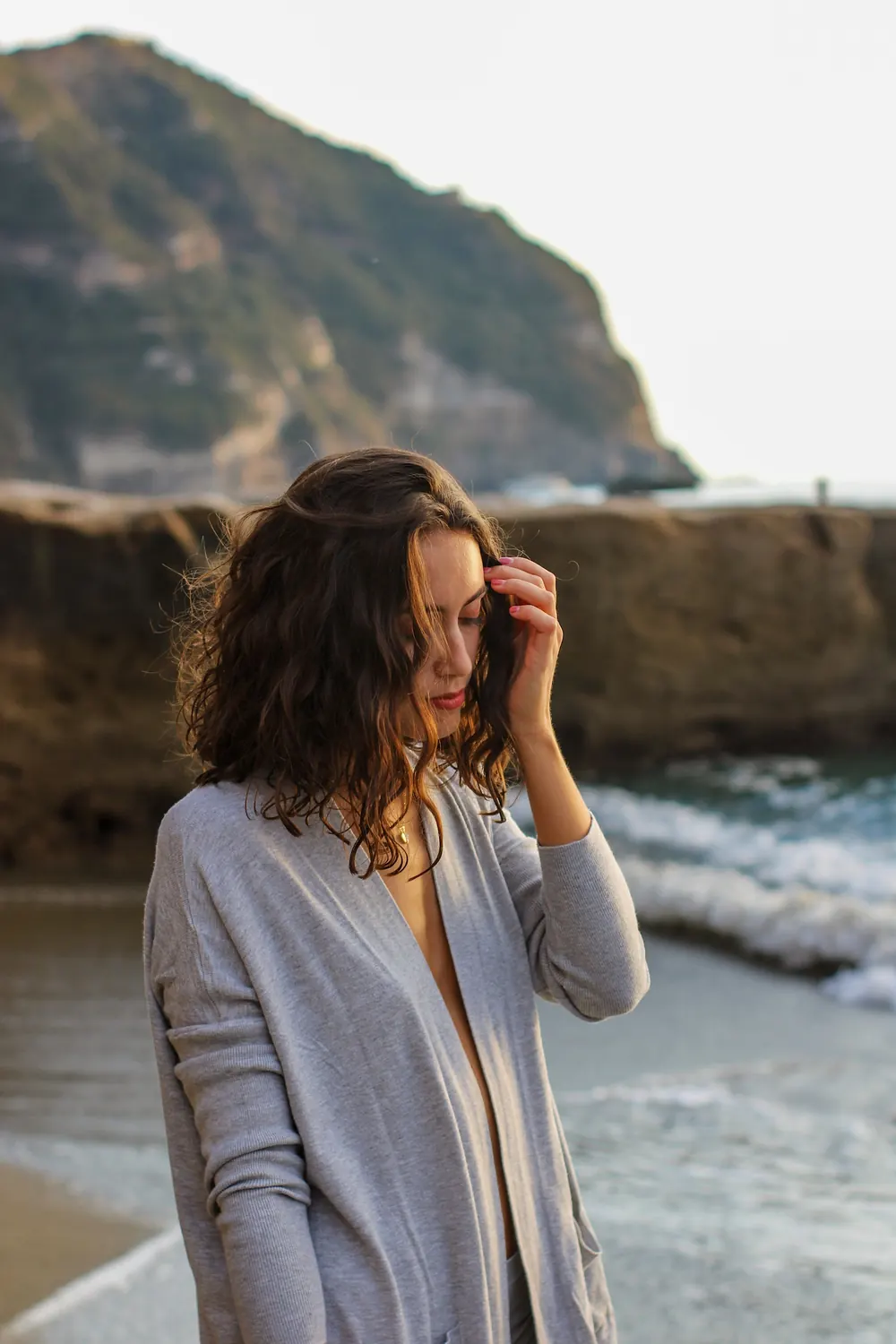
Beach waves hairstyles for every hair type: how to get relaxed, undone waves with a flat iron, curling wand, braids or sea salt spray, how to make them last, and easy styles to try with short, medium and long hair.
Beach waves are the effortless-looking texture that never really goes out of style. They suggest a day by the sea: loose, slightly undone and full of movement, without the polish of formal curls. The irony is that truly easy-looking waves often take a little technique. The good news is that once you know the method that suits your hair type and length, they become a five to fifteen minute routine. Here is how stylists create beach waves, with and without heat, and how to make them last.
What makes a wave look beachy
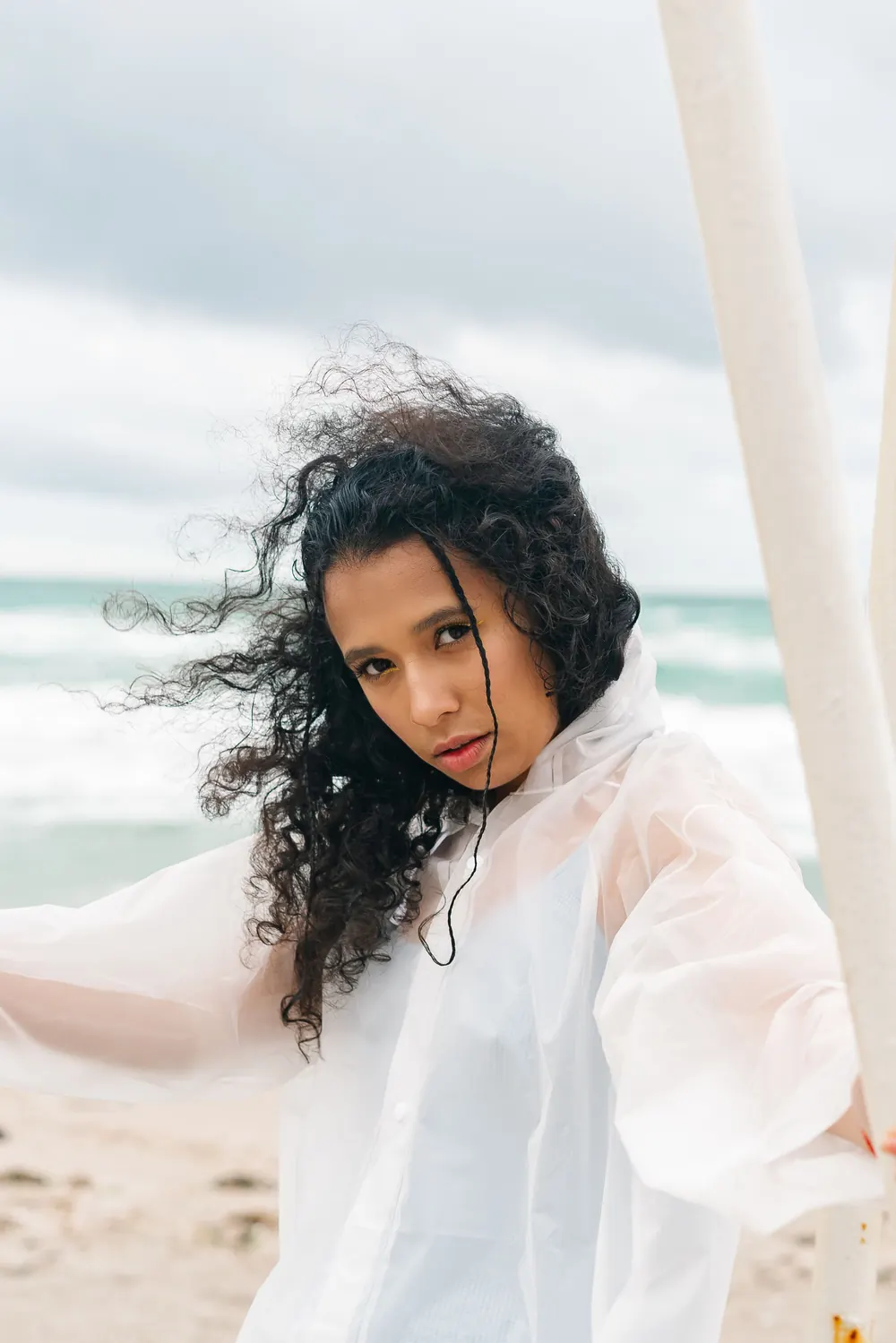
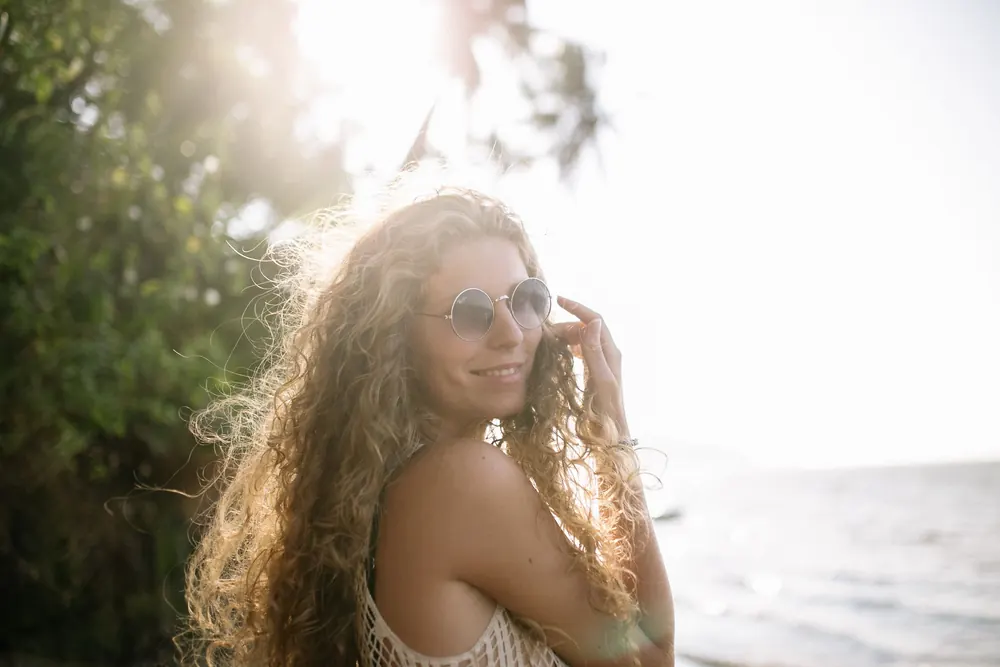
Beach waves differ from curls in a few key ways.
- Looser shape: S-shaped bends rather than tight ringlets.
- Straight ends: leaving the last few centimetres straight is what makes them look modern and relaxed.
- Texture: a slightly matte, piece-y finish rather than glossy, uniform curls.
- Mixed directions: waves alternate direction so they blend into each other naturally.
Keep these principles in mind with any tool.
Prep your hair
Waves hold best on hair that is clean but not too slippery. If your hair is very fine or freshly washed, a little texture spray or dry shampoo gives it grip.
- Apply a heat protectant to dry hair if you are using hot tools.
- Add a lightweight mousse at the roots on damp hair before blow-drying for volume.
- Rough-dry hair with your fingers instead of a round brush so it keeps some natural movement.
Method 1: Flat iron waves
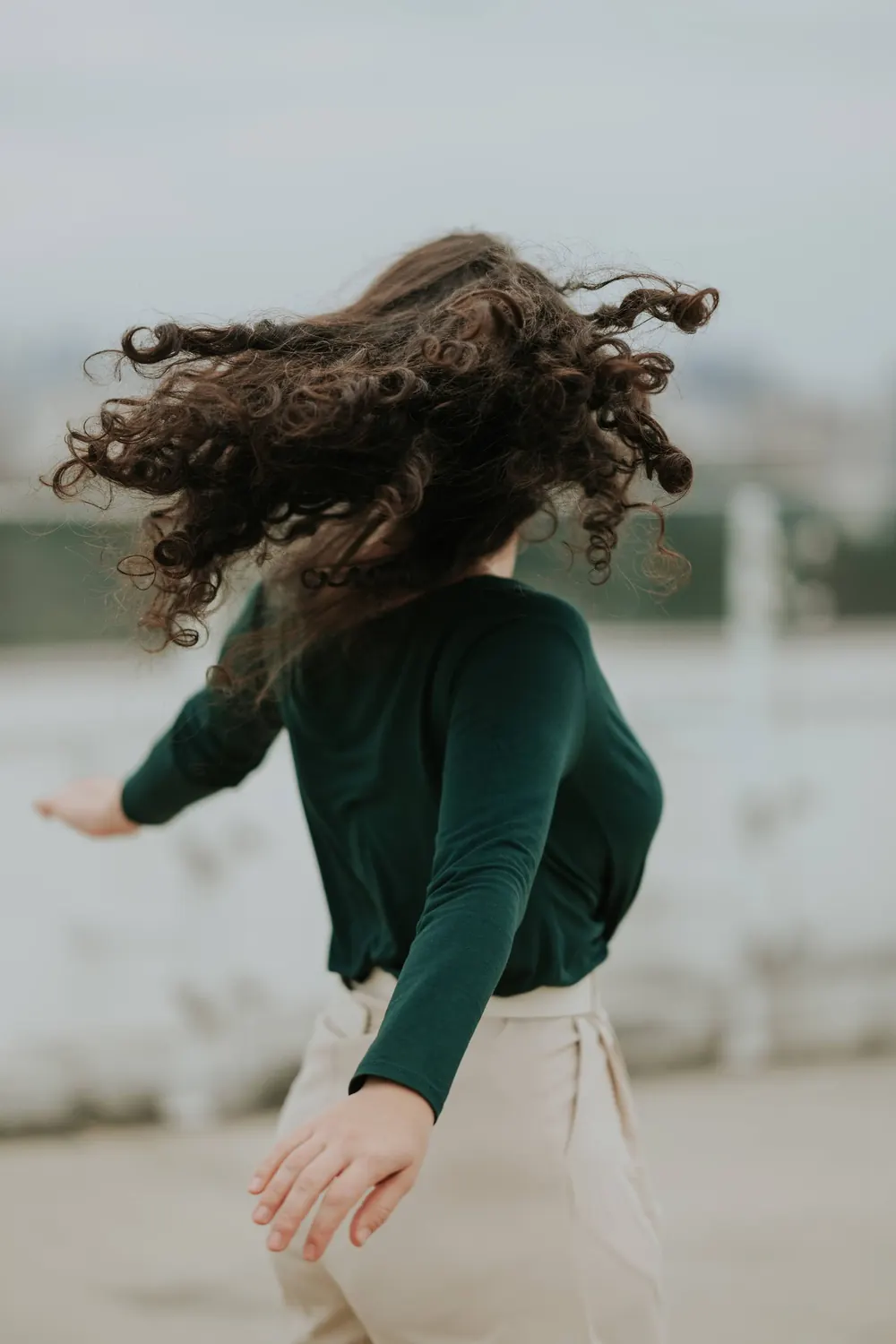
This method is fast and works well on medium to long hair.
- Take a 3 to 5 cm section of hair.
- Clamp the flat iron near the root and twist it half a turn away from your face.
- Glide slowly down the hair, twisting back and forth as you move.
- Stop about 3 cm from the ends and let them slide out straight.
- Alternate the twisting direction on each section.
Use a moderate temperature, around 160 to 180°C for most hair types and lower for fine or lightened hair.
Method 2: Curling wand waves
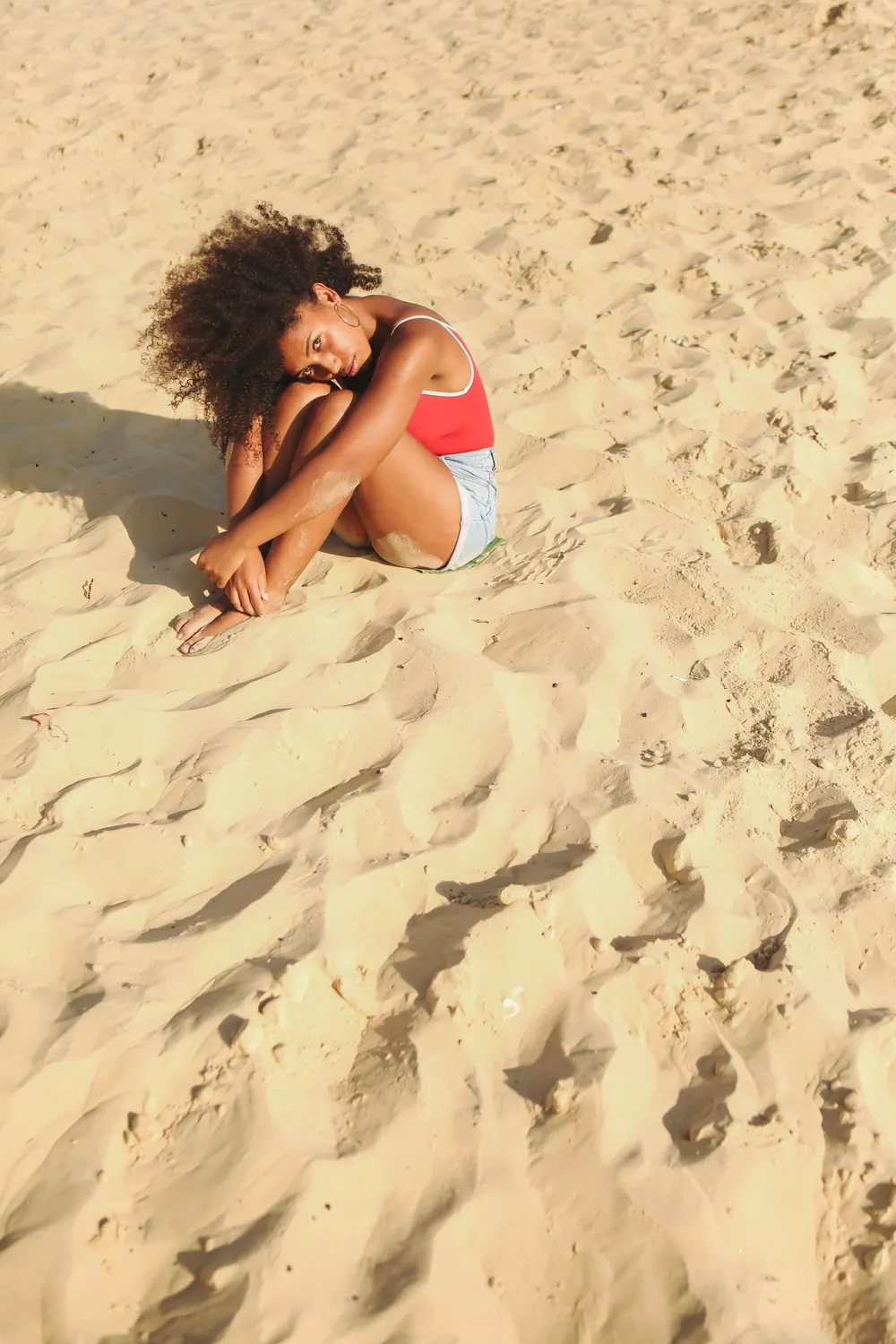
A wand without a clamp gives the most natural texture.
- Choose a 25 to 32 mm barrel for loose waves.
- Wrap a section around the wand, leaving the ends out.
- Hold for 5 to 8 seconds, then release into your palm and let it cool.
- Alternate directions and leave some face-framing pieces wrapped away from the face.
Once all sections are cool, rake through with your fingers to break up the waves.
Method 3: Heatless braid waves
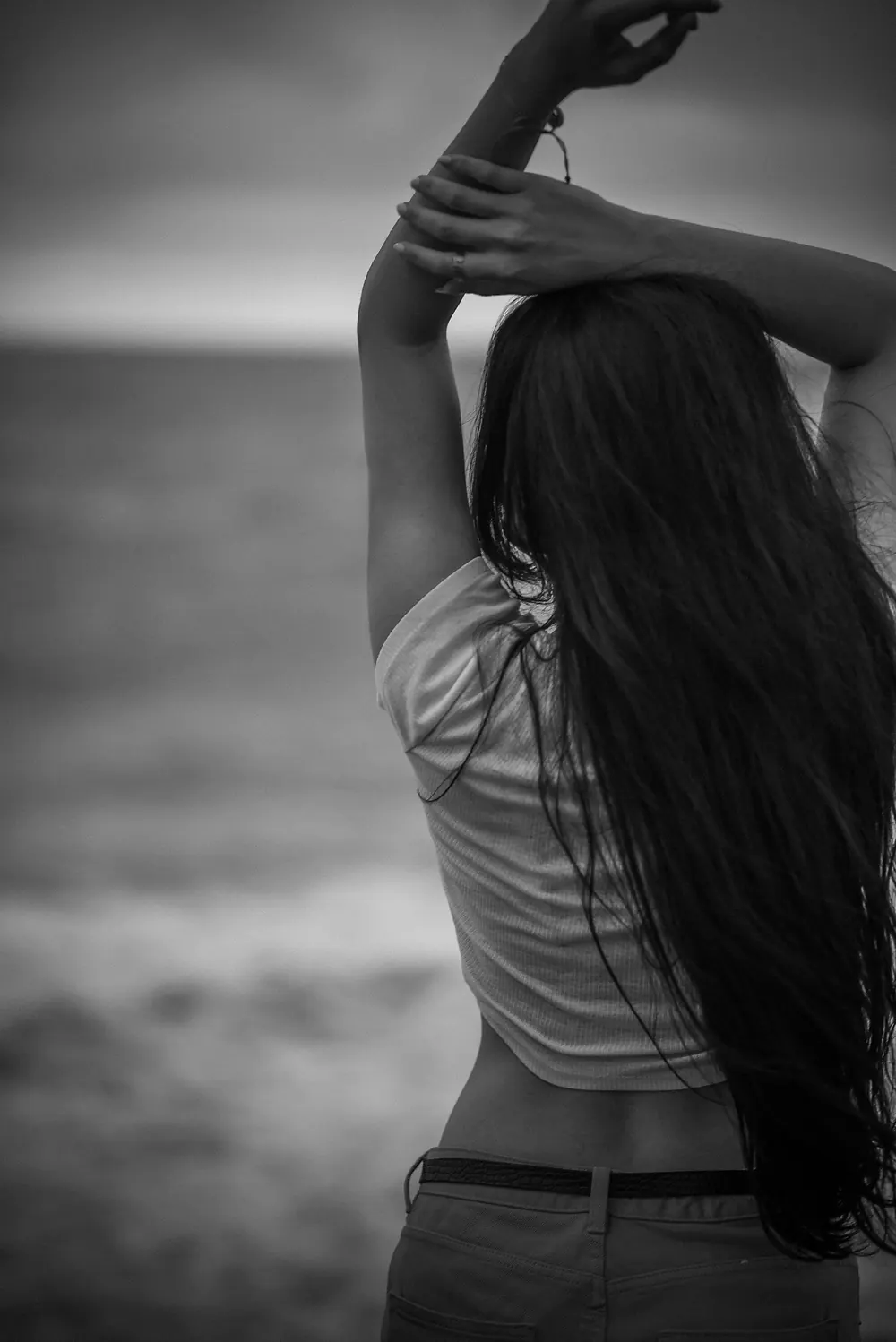
Perfect for protecting hair from heat or for an overnight style.
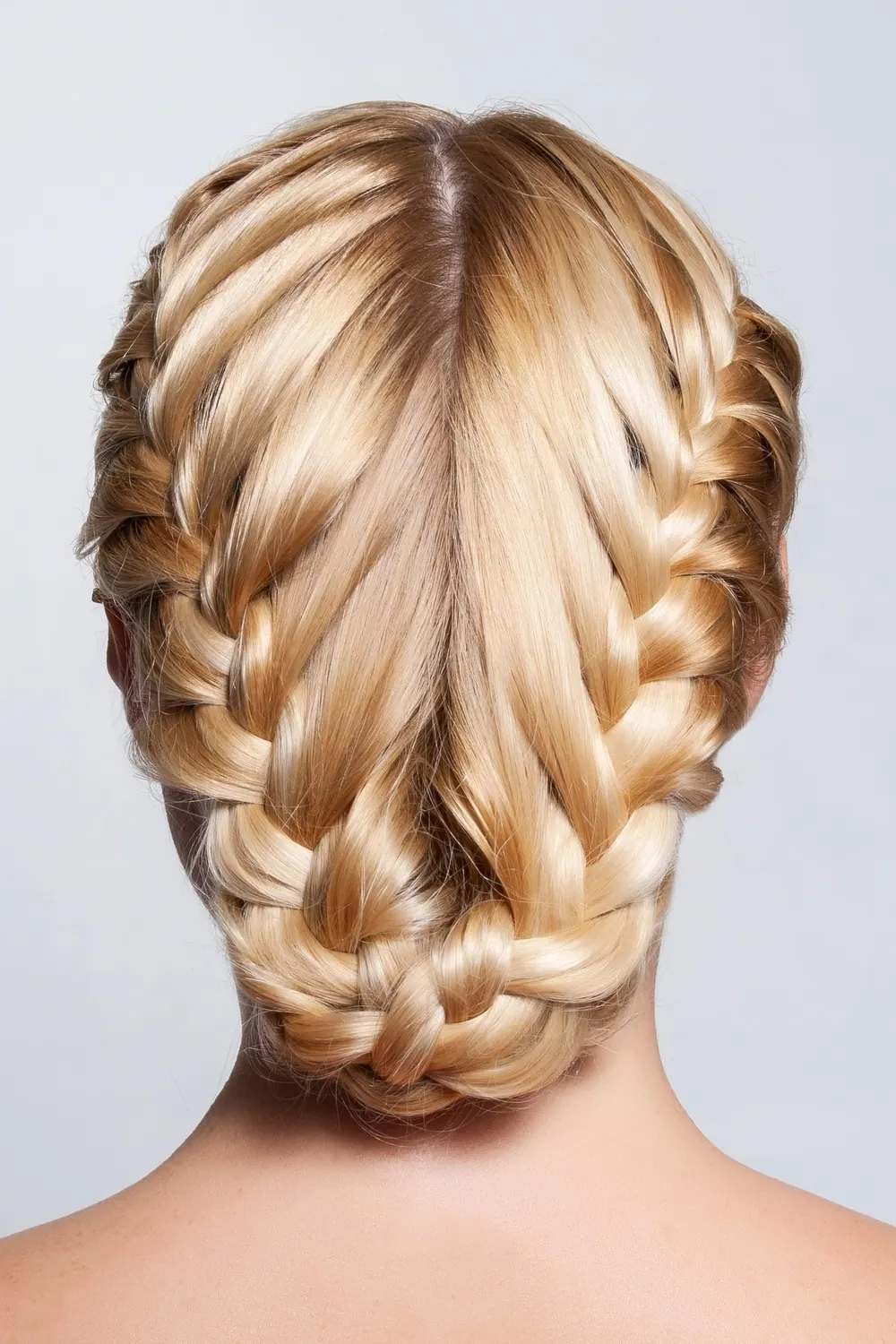
- Two braids: split damp (not soaking) hair into two plaits and sleep on them. Wake up to soft, even waves.
- Many small braids: create tighter, more textured waves.
- Twisted buns: twist damp hair into two buns for a looser, bouncier result.
Apply a light leave-in conditioner or mousse first so the waves set and do not frizz.
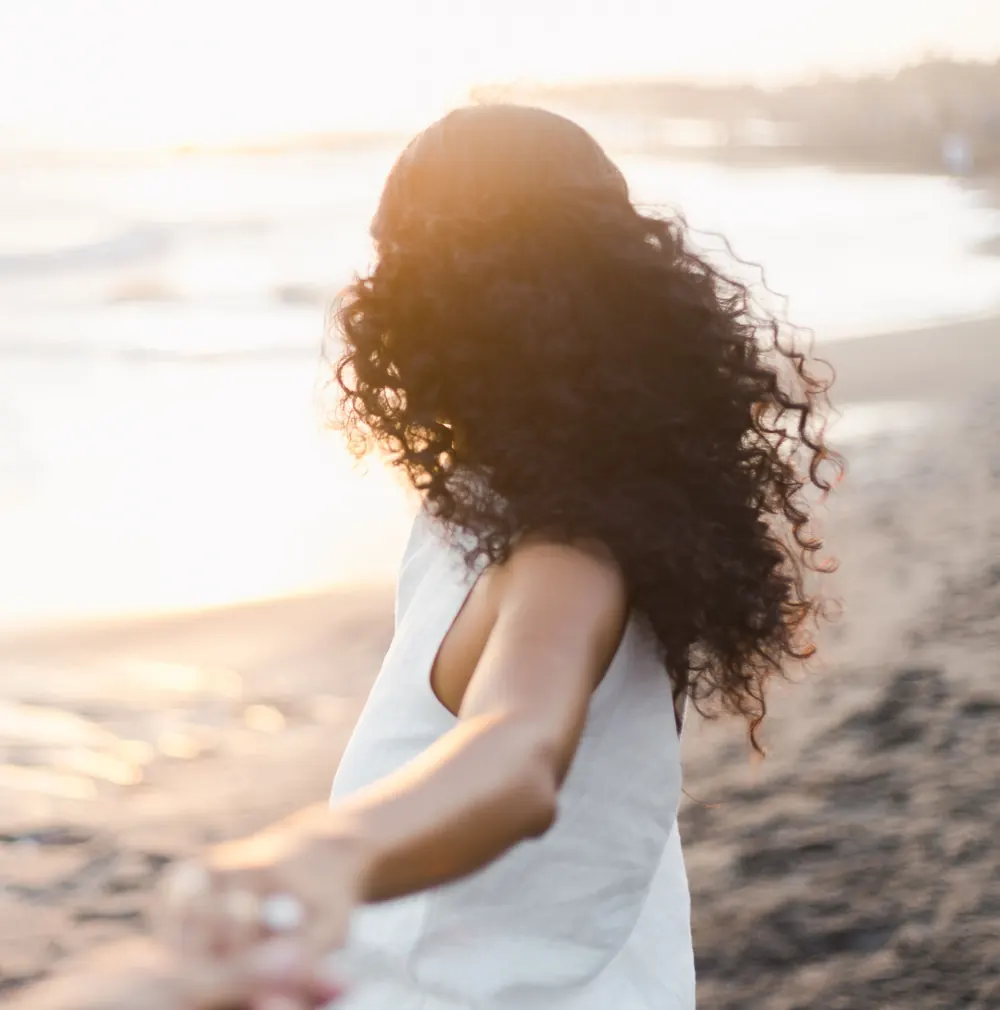
Method 4: Sea salt spray and scrunching
Ideal for hair with natural wave.
- Spray sea salt or texture spray through damp hair.
- Scrunch upwards with your hands or a microfibre towel.
- Diffuse on low heat or air-dry.
- Scrunch again once dry to release any crunch.
Sea salt spray can be drying, so pair it with a nourishing leave-in if you use it often.
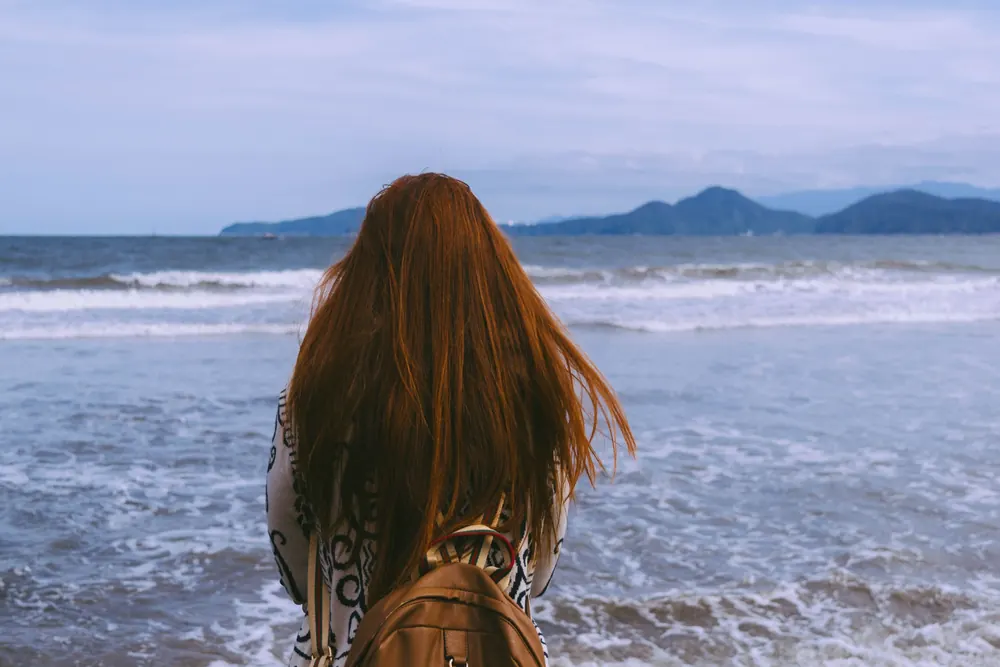
Styles by hair length
- Short hair and bobs: use a flat iron and wave only the mid-lengths for a modern, lived-in bob. Keep the ends straight to avoid a rounded shape.
- Medium hair: a wand or braids give classic beach waves that sit around the collarbones.
- Long hair: focus waves from the cheekbones down and use a larger barrel so hair does not lose too much length.
- Layered hair: layers make waves look fuller and more natural; wave each layer separately.
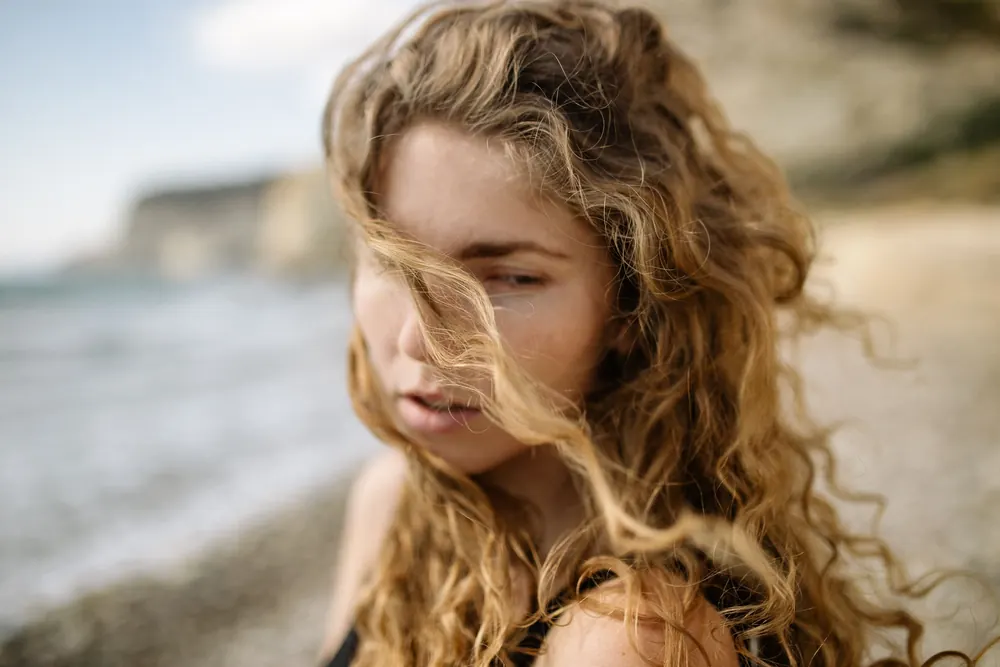
Styling ideas
- Half up: twist the front sections back and secure with a claw clip.
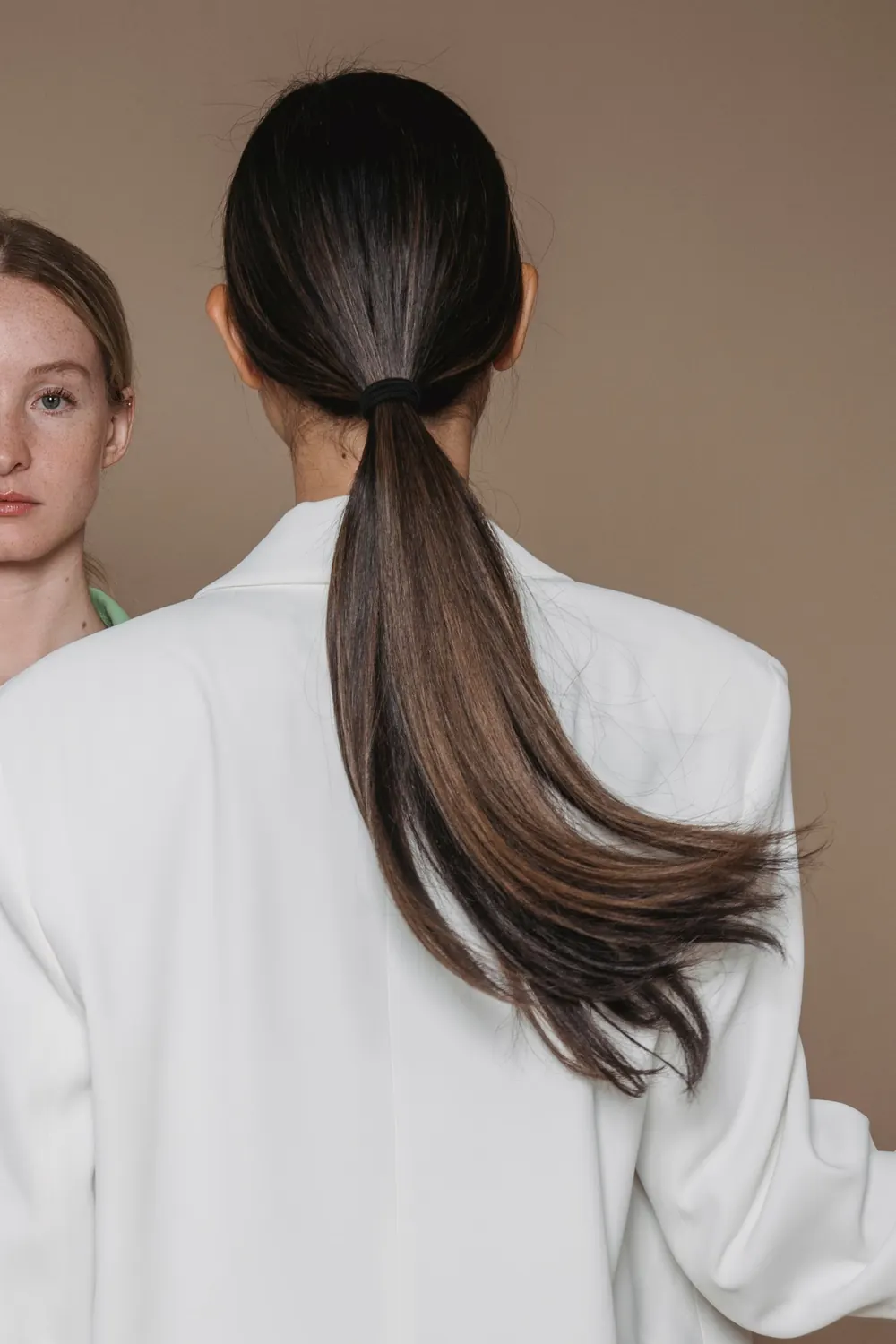
- Low pony: gather waves into a soft, loose ponytail with pieces left out.
- Side part: flip hair over to one side for instant volume.
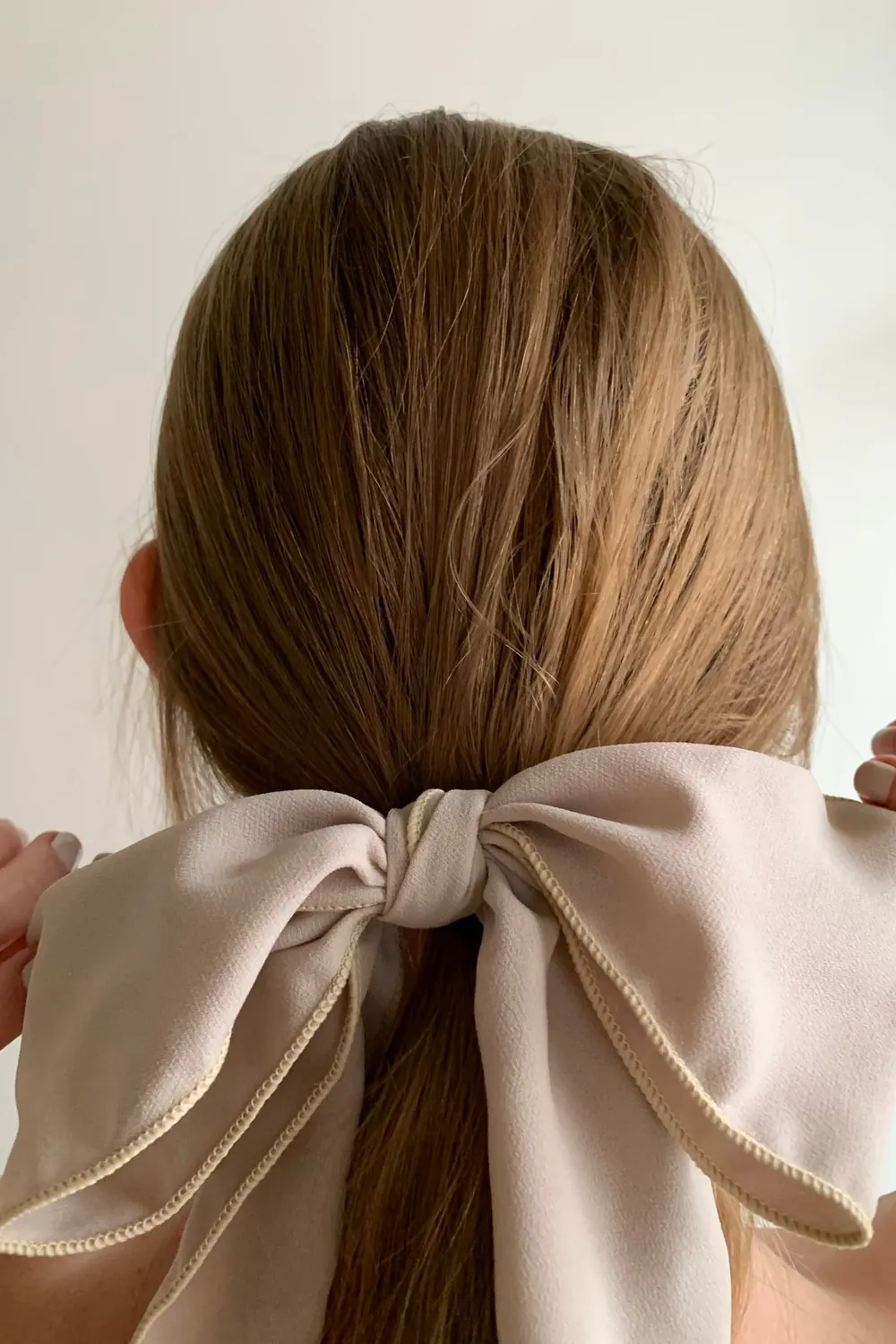
- Headband or scarf: a simple accessory keeps waves off the face on windy days.
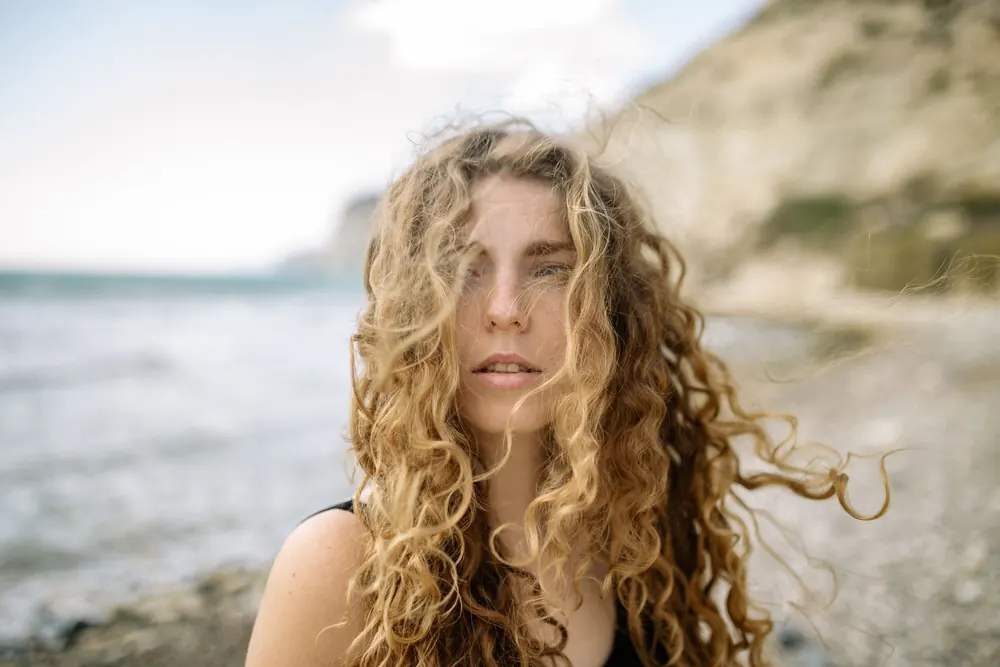
How to make beach waves last
- Let each section cool completely before touching it.
- Finish with a flexible-hold hairspray rather than a stiff one.
- Use a texture spray at the roots for lift.
- Sleep with hair in a loose bun on a silk or satin pillowcase.
- Refresh second-day waves by re-twisting a few pieces with the wand.
Mistakes to avoid
- Too much heat: high temperatures damage hair and can make waves look crispy.
- Uniform sections: waves look most natural when section sizes vary slightly.
- Brushing waves: a brush turns them into frizz; use fingers or a wide-tooth comb.
- Heavy products: oils and creams weigh waves down, especially on fine hair.
Quick answers
Do beach waves work on very straight hair?
Yes. Use texture spray before styling, choose a flat iron or wand and finish with a strong but flexible hairspray.
How do I get beach waves without heat?
Braid damp hair overnight or twist it into buns, then loosen with your fingers in the morning.
Beach waves are all about ease. Choose the method that fits your hair, leave the ends a little straight and break up the texture with your fingers for that relaxed, sun-kissed look.
Get the Style Journal Co letter
One thoughtful email a week with our newest guides and seasonal ideas. No spam, unsubscribe anytime.
Save this guide for later — this image is sized for pinning.
Some posts may contain affiliate links; see our disclosure. Photography: Nati; Mikhail Nilov; Letícia Alvares; Polina Tankilevitch; Grish Petrosyan; Agung Pandit Wiguna; Juliana Polizel; Yan Krukau; Yan Krukau; Yan Krukau; Jess Loiterton; Konstantin Mishchenko; Jordy Toscano; TBD Tuyên via Pexels.